market
Indian State Lenders Plan $2 Billion Overseas Loan Raise
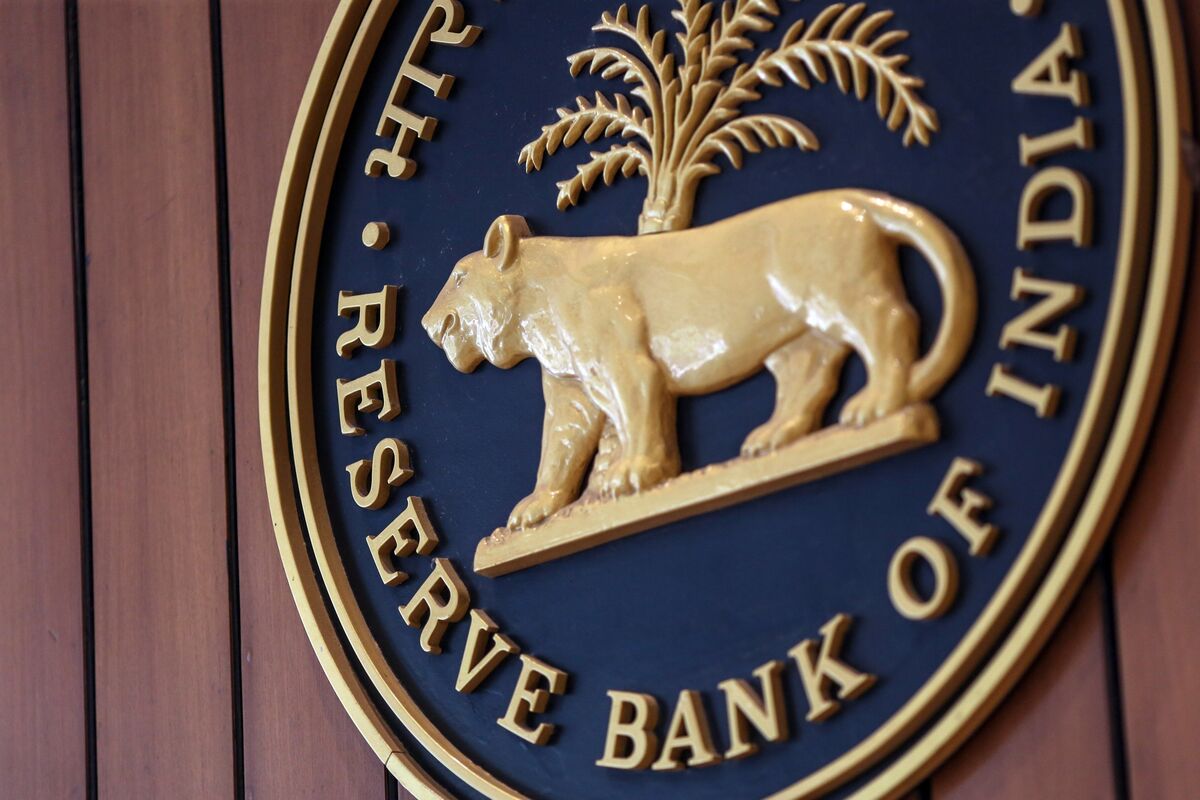
Indian state-run financial institutions plan to raise up to $2 billion in overseas loans using a central bank concessional borrowing facility.
According to Bloomberg Markets, some Indian state-run financial institutions are planning to raise overseas loans of as much as $2 billion using a central bank facility for borrowing at concessional rates, according to people familiar with the matter. The move signals continued appetite among Indian public sector lenders to tap international debt markets for funding at favorable terms through official channels designed to support domestic financial institutions.
Key takeaways
Indian state-run financial institutions plan to raise up to $2 billion in overseas loans, according to sources familiar with the matter.
The lenders intend to use a central bank facility that enables borrowing at concessional rates.
The fundraising reflects the ongoing use of official facilities by public sector financial institutions to access international debt markets at favorable terms.
General context: Concessional borrowing facilities typically offer below-market interest rates and are designed to support specific policy objectives or institutional funding needs.
Table of Contents
What happened
Why it matters
What to watch next
What happened
Bloomberg Markets reported that some Indian state-run financial institutions are planning to raise overseas loans totaling as much as $2 billion. The information comes from people familiar with the matter, indicating the plans are in development but not yet publicly announced by the institutions themselves. The lenders intend to utilize a central bank facility specifically designed for borrowing at concessional rates, which would provide more favorable terms than standard market borrowing.
The report does not specify which state-run financial institutions are involved, the exact timing of the fundraising, or the precise terms of the central bank facility being used. The $2 billion figure represents the upper limit of the planned borrowing, suggesting that individual institutions may be seeking varying amounts within this total. The use of a central bank facility indicates that this borrowing is taking place within an established framework rather than through purely commercial channels.
Why it matters
State-run financial institutions play a central role in credit allocation and financial intermediation in many emerging markets, including India. When these institutions access overseas funding, they are typically seeking to diversify their funding sources, manage currency exposures, or take advantage of favorable interest rate conditions in international markets. Concessional borrowing facilities offered by central banks are policy tools designed to support specific sectors or institutions by providing access to funding at below-market rates, often to achieve broader economic objectives such as supporting lending to priority sectors or maintaining financial stability.
The decision to raise $2 billion through overseas loans using a concessional facility suggests that Indian state lenders see value in international debt markets even when domestic funding options are available. This could reflect several factors: international rates may be attractive relative to domestic alternatives even after accounting for currency hedging costs; the institutions may be seeking to lengthen their funding maturity profiles; or they may be managing their balance sheets to support specific lending programs. For investors and market participants, such borrowing activity can signal the funding strategies and balance sheet management priorities of major financial institutions in one of the world's largest emerging economies.
What to watch next
Market participants should monitor whether the planned fundraising moves forward and which specific institutions participate. The actual terms of the overseas loans—including interest rates, maturities, and currency denominations—will provide insight into current market conditions for Indian state-run financial institution debt. Additionally, any public announcements from the institutions themselves or from the Reserve Bank of India regarding the concessional facility being used would clarify the policy framework supporting this borrowing.
Broader trends in Indian financial institution funding strategies will also be relevant. If multiple state lenders pursue overseas borrowing in coming months, it could indicate a systematic shift in funding preferences or reflect specific domestic liquidity conditions. Investors should also watch for any changes to central bank policies regarding concessional facilities, as modifications to eligibility, terms, or caps could affect future borrowing plans. Finally, the deployment of these funds—whether for general balance sheet purposes, specific lending programs, or refinancing existing obligations—will help clarify the strategic rationale behind the overseas fundraising.
Read original source