tech
Iran Ship Attack Tests War-Risk Insurance Market
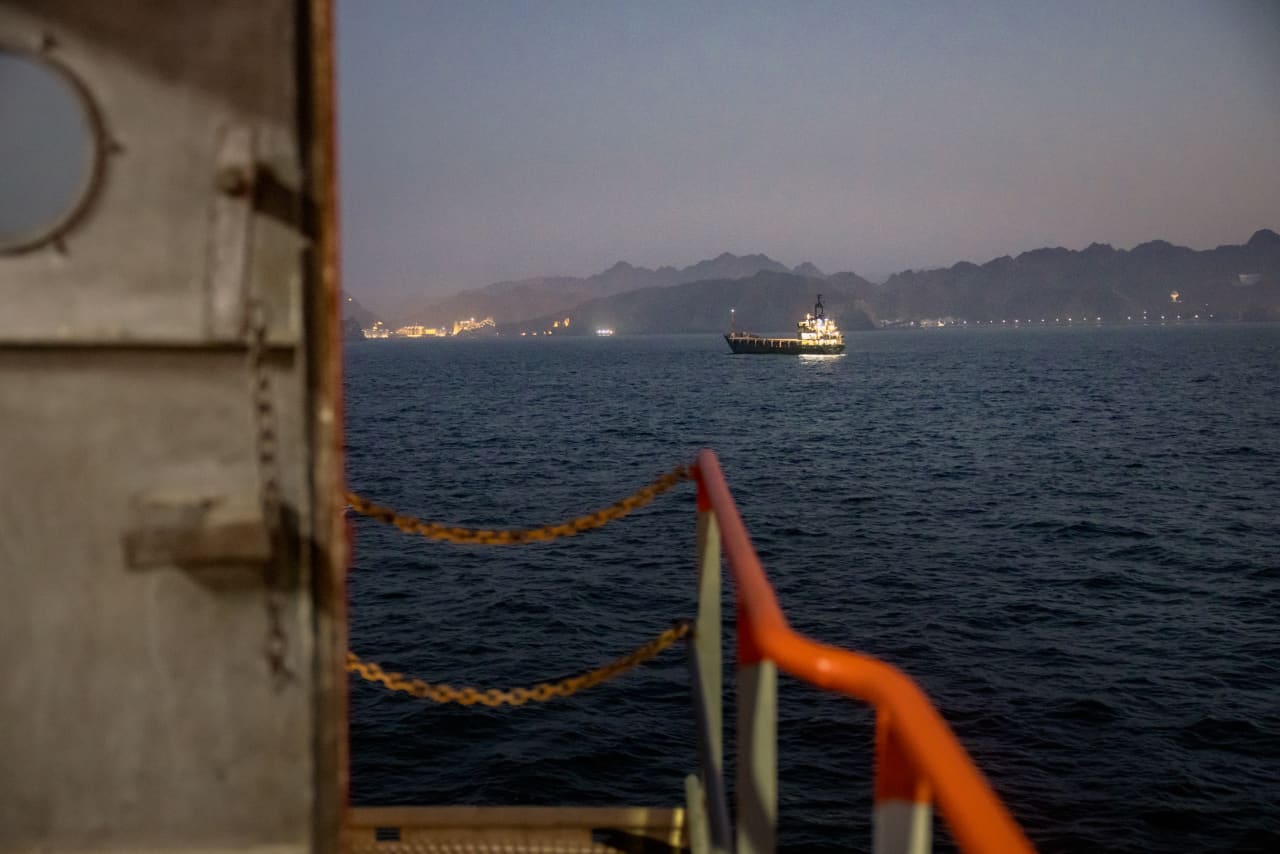
Iran's ship attack tests the shipping insurance market just as war-risk premiums had plunged, MarketWatch reports. Premiums could increase again.
Iran's ship attack is testing the shipping insurance market just as war-risk insurance premiums had narrowed considerably in recent days, according to MarketWatch. The development puts renewed focus on war-risk pricing dynamics and the sensitivity of maritime insurance markets to geopolitical events, particularly in regions where shipping routes face elevated security risks.
Key Takeaways
Iran's ship attack occurred as war-risk insurance premiums had recently narrowed considerably, MarketWatch reported.
War-risk premiums could increase again following the attack, according to the source.
The event tests the shipping insurance market's response to renewed geopolitical risk in maritime zones.
Readers should watch for future updates on premium adjustments, insurer responses, and additional geopolitical developments affecting shipping routes.
Table of Contents
Attack Timing and Premium Context
Insurance Market Implications
What to Watch
Attack Timing and Premium Context
MarketWatch reported that Iran's ship attack is testing the shipping insurance market at a time when war-risk premiums had narrowed considerably in recent days. The source states that war-risk premiums could increase again following the attack. The timing of the attack is notable because war-risk insurance premiums had recently declined, suggesting that insurers and market participants had been pricing in lower geopolitical risk in the affected maritime zone.
The available source does not specify the date of the attack, the vessel involved, the location of the incident, the nature of the attack, casualties, cargo details, or the specific insurance underwriters affected. The source does not identify which shipping routes, regions, or insurance contracts experienced the recent premium narrowing, nor does it specify the magnitude of the prior decline or the potential scale of any premium increase following the attack.
Insurance Market Implications
War-risk insurance premiums are a key market signal for geopolitical risk in global shipping. Premiums reflect insurers' assessments of the likelihood and severity of attacks, seizures, or other hostile actions against vessels in specific maritime zones. When premiums narrow, it typically indicates that insurers perceive reduced risk, which can lower operating costs for shipping companies and support global trade flows. Conversely, when premiums rise, shipping costs increase, which can affect freight rates, commodity prices, and supply chain economics.
For readers following broader market updates , this development can help frame the wider context of how geopolitical events influence insurance pricing, trade costs, and risk management decisions. The shipping insurance market is sensitive to sudden security incidents, and premium adjustments can occur quickly when new information emerges. The source does not specify whether the attack will trigger widespread premium increases across all war-risk zones or whether adjustments will be limited to specific routes or vessel types.
What to Watch
Market readers should watch for future updates on war-risk insurance premium adjustments, insurer statements, and any additional details about the attack, including the vessel, location, and response by maritime authorities. The source does not identify whether the attack will lead to sustained premium increases or whether insurers will treat it as an isolated incident.
Readers should also monitor any official statements from Iran, international maritime organizations, or shipping industry groups regarding the security environment in the affected region. Future disclosures may clarify whether the attack affects specific shipping routes, cargo types, or vessel classes, and whether insurers adjust coverage terms, exclusions, or capacity in response. The source does not specify the broader geopolitical context surrounding the attack, the parties involved, or the potential for escalation.
Read original source