market
Iraq Walks Back OPEC Exit Threat Over Output Limits
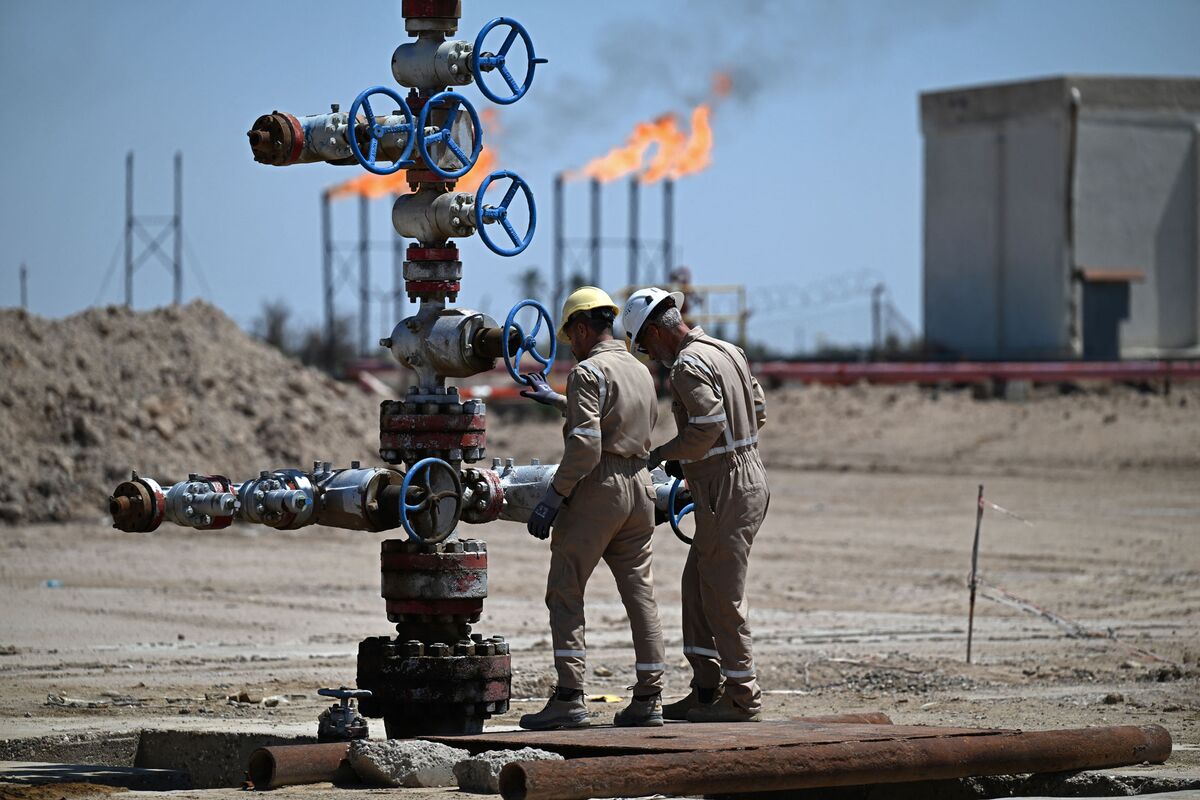
Iraq's oil ministry reversed its OPEC exit statement within hours, highlighting tensions over production quotas and cartel compliance.
Iraq's oil ministry said the nation is not considering leaving the Organization of the Petroleum Exporting Countries, reversing a statement made just hours earlier that suggested an Iraq OPEC exit was an eventual possibility, according to Bloomberg Markets. The rapid reversal highlights ongoing tensions between OPEC member states and the cartel's production quota system.
Key takeaways
Iraq's oil ministry reversed its earlier statement suggesting the country might leave OPEC over output limits
The reversal occurred within hours of the initial statement, according to Bloomberg Markets
The episode highlights tensions between OPEC members and the cartel's production quota enforcement
Investors monitoring oil markets should watch for future OPEC compliance disclosures and member statements
Table of Contents
What happened
Why it matters
What to watch next
What happened
Iraq's oil ministry issued a statement clarifying that the nation is not considering leaving OPEC, according to Bloomberg Markets. The clarification came just a few hours after an earlier statement from the ministry suggested that leaving the cartel was an eventual possibility. The rapid reversal underscores the sensitivity of OPEC membership and production policy within Iraq's oil sector.
Bloomberg Markets reported the reversal on June 25, 2026, noting the statements were hours apart. The source did not specify what prompted the initial statement, what specific output limits were under discussion, or which officials issued either statement. The source also did not identify reactions from other OPEC members or detail Iraq's current production quota or compliance record.
Why it matters
For oil market participants, OPEC member compliance with production quotas is a key driver of global supply and pricing dynamics. When member states signal dissatisfaction with output limits, it can raise questions about the cartel's ability to enforce collective discipline and manage supply in response to demand conditions. Iraq is one of OPEC's larger producers, and any uncertainty about its continued membership or willingness to adhere to quotas can influence market expectations for future supply levels.
The rapid reversal suggests internal policy tensions, but also indicates that Iraq's government remains committed to OPEC membership for now. In general market context, oil-exporting nations often face a trade-off between maximizing short-term revenue through higher production and supporting higher prices through collective output restraint. For readers following broader market updates , this development can help frame the wider context of commodity supply management and the challenges multilateral producer groups face in maintaining cohesion.
What to watch next
Investors and analysts monitoring oil markets should watch for future OPEC compliance reports, which typically detail each member's production levels relative to assigned quotas. Any additional statements from Iraq's oil ministry or government officials regarding production policy, quota negotiations, or OPEC strategy could provide further clarity on the country's stance.
The source context does not specify whether OPEC or other member states have responded to Iraq's statements, so readers should also monitor for any official OPEC commentary or diplomatic exchanges among member nations. Broader OPEC policy decisions, including any upcoming ministerial meetings or quota adjustments, will be important for understanding how the cartel manages internal tensions and responds to global oil demand trends.
Read original source