tech-ai
Iron Ore Tops $100 as China Buyer May Block Fortescue Deliveries
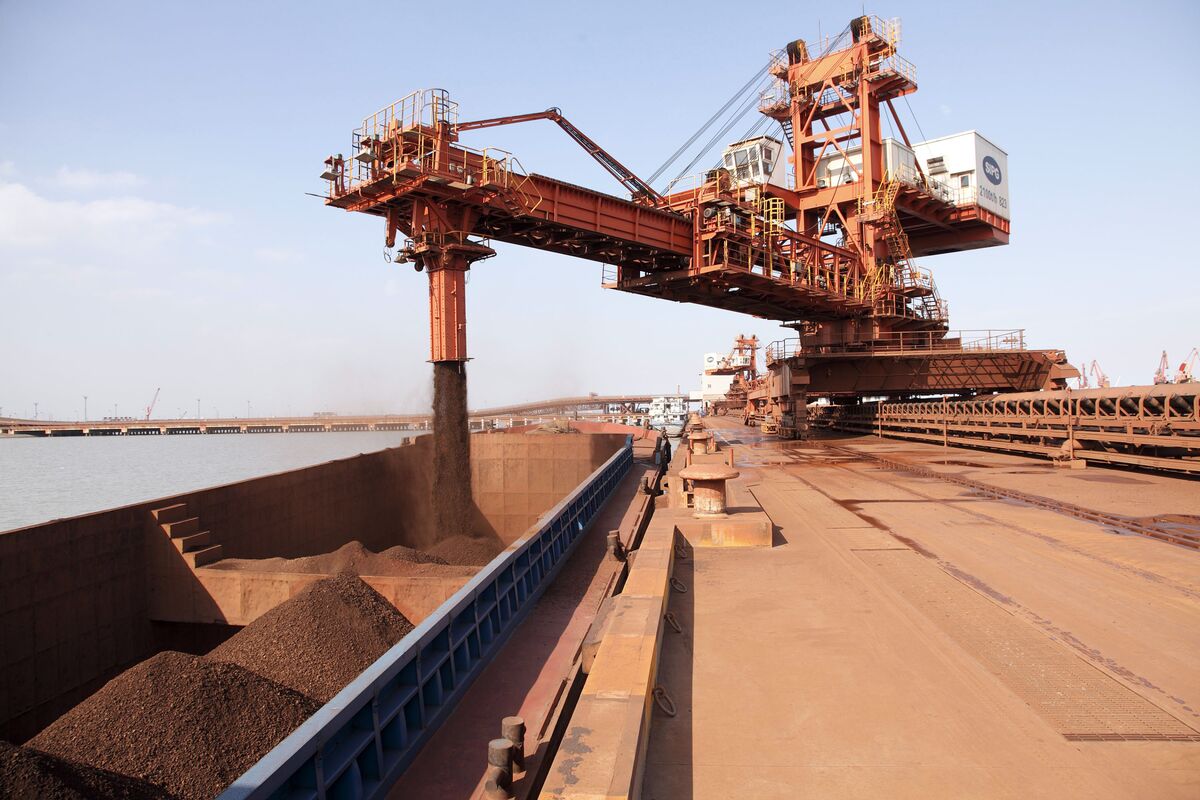
Iron ore futures briefly topped $100 a ton after China's state-backed buyer signaled plans to restrict some Fortescue Ltd. inventories at mainland ports.
Iron ore futures briefly topped $100 a ton after China's state-backed buyer of the commodity signaled that it planned to restrict some Fortescue Ltd. inventories held at mainland ports, according to Bloomberg Markets. The move by China Minmetals Rare Earth Group (CMRG) pushed iron ore futures higher, highlighting the sensitivity of commodity markets to supply-side developments in China, the world's largest steel producer and iron ore consumer.
Key takeaways
Iron ore futures briefly topped $100 a ton following news from China's state-backed buyer
China Minmetals Rare Earth Group signaled plans to restrict some Fortescue Ltd. inventories at mainland ports
The development highlights the influence of Chinese state-backed buyers on global commodity markets
Readers may watch for further disclosures on the scope, duration, and rationale behind the inventory restrictions
Table of Contents
Price Move and Buyer Signal
Market Context
What to Watch
Price Move and Buyer Signal
Iron ore futures advanced and briefly exceeded $100 a ton after China Minmetals Rare Earth Group, a state-backed buyer of the commodity, indicated that it planned to block some Fortescue Ltd. inventories held at mainland ports. Bloomberg Markets reported the development, noting that the price move followed the signal from CMRG. The source does not provide additional detail on the specific volume of inventories affected, the duration of the restrictions, or the rationale behind the decision.
Fortescue Ltd. is a major iron ore producer, and China is the dominant destination for seaborne iron ore shipments. The announcement from a state-backed buyer carries weight in commodity markets because such entities often influence port operations, inventory management, and settlement terms for imported raw materials. The source confirms the price move and the signal from CMRG, but does not include further operational or financial detail from either Fortescue or CMRG.
Market Context
For readers following broader market updates , this development can help frame the wider news context. Iron ore is a key input for steel production, and China accounts for the majority of global steel output and iron ore demand. Supply-side developments, including port restrictions, inventory management decisions, and buyer signals, can influence iron ore pricing, which in turn affects steel producers, mining companies, and commodity traders.
State-backed buyers in China often play a central role in commodity markets, and their decisions can shape market sentiment and pricing dynamics. In general market context, commodity price moves can matter for investors because they influence the revenue and cost structures of mining companies, steel producers, and industrial manufacturers. Iron ore price volatility can also affect broader commodity indices, currency markets tied to resource-exporting economies, and equity valuations for mining and materials companies.
What to Watch
Readers may watch for further disclosures from Fortescue Ltd., China Minmetals Rare Earth Group, or Chinese port authorities regarding the scope, duration, and rationale behind the inventory restrictions. Additional details on the volume of inventories affected, the specific ports involved, and any potential impact on Fortescue's shipment schedules or revenue would help clarify the operational and financial implications.
Investors may also monitor iron ore futures pricing, trading volumes, and any statements from other major iron ore producers or Chinese steel mills. Broader market readers may track whether similar restrictions are applied to other iron ore producers, whether the move reflects quality concerns, contractual disputes, or broader policy shifts, and how the development fits into China's steel production outlook and raw material procurement strategy.
Read original source