markets
Ivory Coast Cocoa Crop May Fall 20% on Low Pod Counts
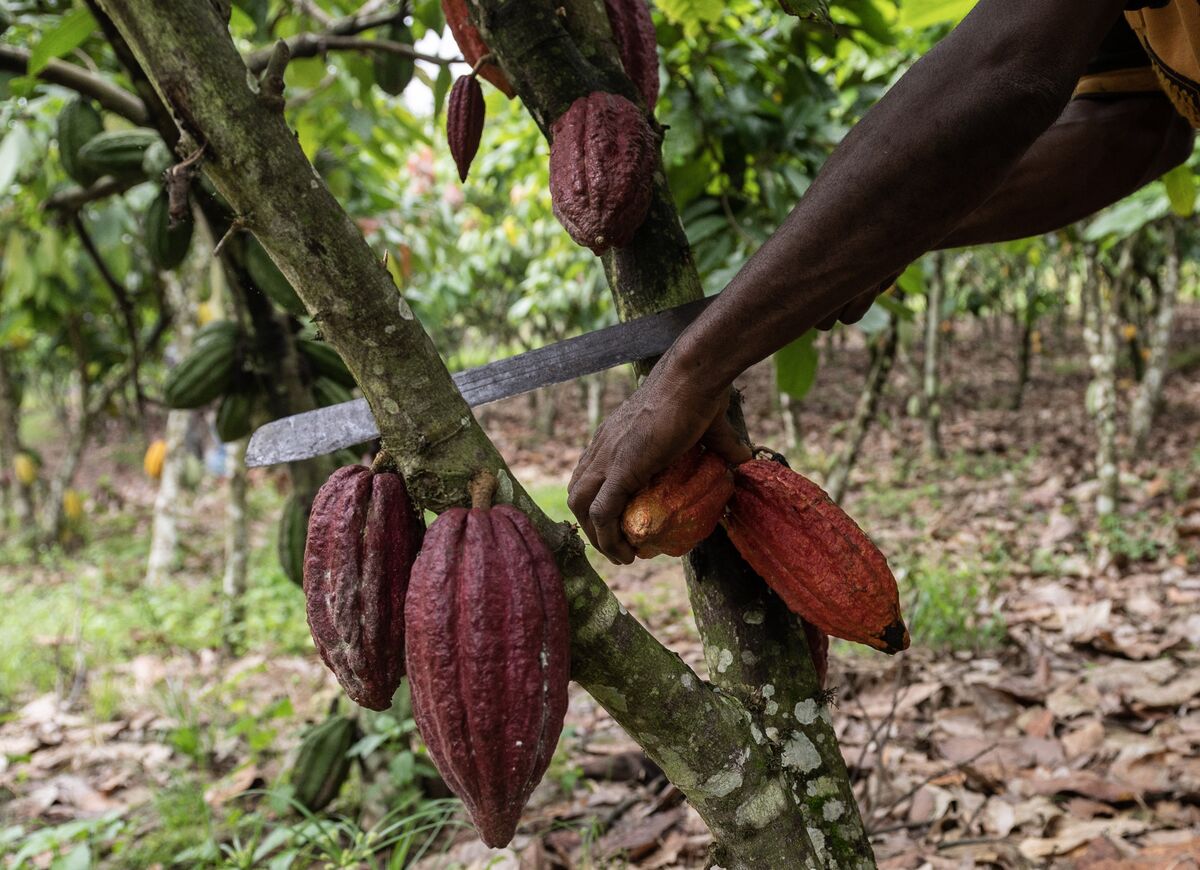
Ivory Coast cocoa crop could drop about 20% next season due to low pod counts on trees, risking tighter global supplies, Bloomberg Markets reports.
The Ivory Coast cocoa crop could fall by approximately 20% in the upcoming season as pod counts on trees lag behind normal levels, according to traders surveyed by Bloomberg Markets. The world's top cocoa producer faces production challenges that could tighten global supplies and influence commodity market pricing for chocolate manufacturers and agricultural traders monitoring soft commodity fundamentals.
Key takeaways
Bloomberg Markets reports the Ivory Coast cocoa crop may decline about 20% next season based on trader surveys
Low pod counts on cocoa trees signal weaker production in the world's largest cocoa-growing nation
The production shortfall could tighten global cocoa supplies and affect commodity market pricing
Traders and agricultural market readers should monitor future crop reports and weather conditions in West Africa
Table of Contents
Crop decline signals
Global supply implications
What commodity traders should watch
Crop decline signals
According to Bloomberg Markets, traders surveyed indicate the Ivory Coast cocoa crop could fall by approximately one-fifth in the next growing season. The assessment is based on pod count observations, which serve as an early indicator of harvest volume. Pod counts measure the number of cocoa pods developing on trees, providing growers and traders with advance visibility into potential yield before the main harvest period begins.
Global supply implications
A 20% decline in Ivory Coast cocoa production would represent a meaningful reduction in global cocoa supply, given the country's dominant market share. Cocoa is a key input for chocolate manufacturers, confectionery producers, and food companies worldwide. When supply tightens, commodity markets often respond through price adjustments, inventory management changes, and shifts in procurement strategies among buyers.
For commodity market readers, cocoa supply developments matter because they can influence futures pricing, hedging decisions, and cost structures for companies dependent on cocoa as a raw material. The source context does not provide current cocoa futures prices, specific supply deficit estimates, or manufacturer reactions, but the reported production decline would generally be considered a supply-tightening factor. Readers should treat this as a forward-looking crop assessment based on early-season pod count data, with final harvest outcomes subject to weather, disease, and other agricultural variables.
What commodity traders should watch
Market readers tracking soft commodities should monitor several factors in the months ahead. Future crop reports from Ivory Coast and other major cocoa-producing nations will help confirm whether the pod count weakness translates into lower final harvest volumes. Weather patterns in West Africa, including rainfall and temperature conditions during key growing periods, can influence pod development and overall yield. Additionally, any updates on tree disease, pest pressure, or agricultural policy changes in Ivory Coast could affect production forecasts.
For readers following broader market updates , cocoa supply developments can help frame agricultural commodity market context and the factors influencing food input costs. Traders may also watch for any disclosures from chocolate manufacturers or commodity trading firms regarding procurement strategies, inventory levels, or pricing adjustments in response to tighter supply expectations. The source context does not provide specific price targets, demand forecasts, or company-level impacts, so readers should await additional data and company disclosures for a fuller picture of market implications.
Read original source