market
Japan Household Assets Rise 7.1% to ¥2,386 Trillion, Bank of Japan Reports
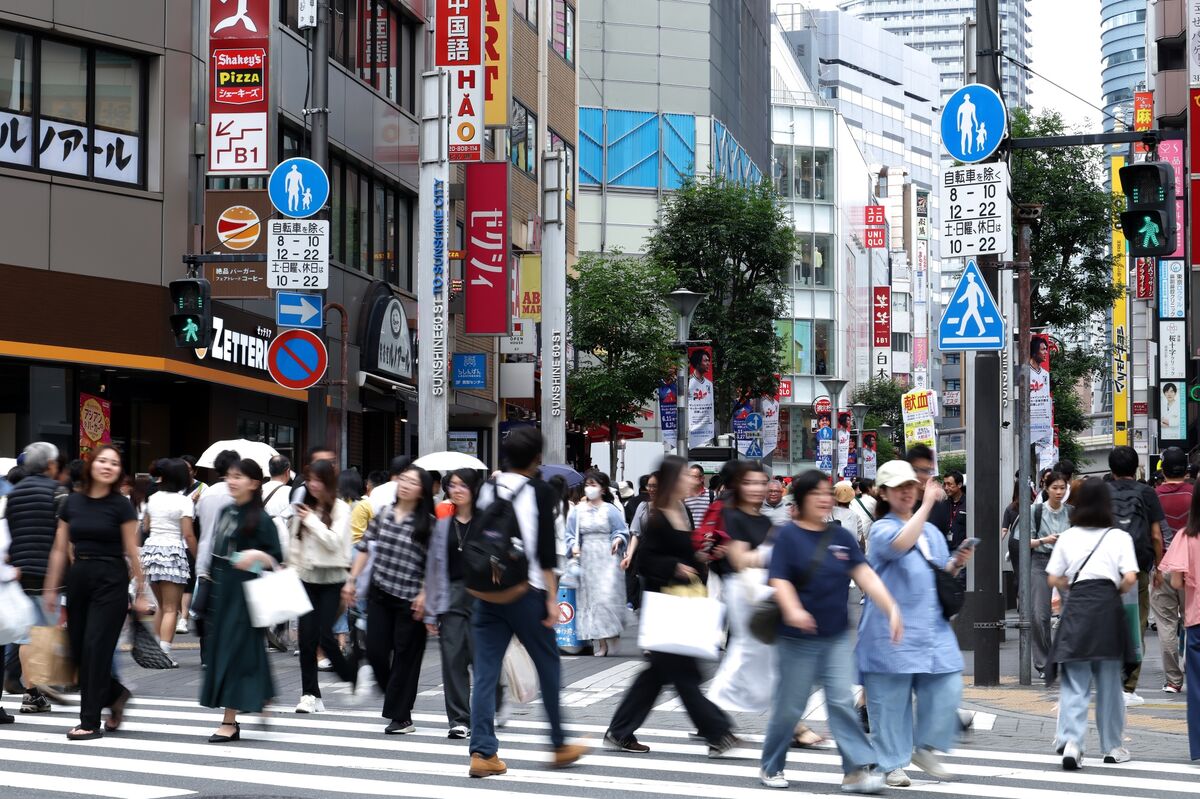
Japan household assets climbed 7.1% to ¥2,386 trillion at end of March, the second highest level on record, according to Bank of Japan data.
According to Bloomberg Markets, Japan household assets rose 7.1% to ¥2,386 trillion ($14.7 trillion) at the end of March from a year earlier, marking the second highest level on record. The Bank of Japan released the figures in its quarterly flow of funds report on June 25, 2026, providing a snapshot of household wealth accumulation in the world's third-largest economy.
Key takeaways
Japan household assets reached ¥2,386 trillion ($14.7 trillion) at the end of March, up 7.1% year-over-year
The total represents the second highest level on record for Japanese household wealth
The Bank of Japan disclosed the data in its quarterly flow of funds report published June 25, 2026
Household wealth data reflects the combined value of financial assets held by Japanese households, a key indicator of economic health and consumer capacity
Table of Contents
What happened
Why it matters
What to watch next
What happened
The Bank of Japan's quarterly flow of funds report showed Japan household assets totaled ¥2,386 trillion at the end of March, representing a 7.1% increase from the same period one year earlier. The figure translates to approximately $14.7 trillion in U.S. dollar terms. This level marks the second highest on record for Japanese household wealth, indicating continued accumulation despite various economic headwinds facing the nation.
The Bank of Japan released the data on June 25, 2026, as part of its regular quarterly reporting on the flow of funds across different sectors of the Japanese economy. The flow of funds report tracks the movement and accumulation of financial assets and liabilities across households, corporations, financial institutions, and government entities. The household assets component specifically measures the total value of financial holdings by Japanese households, including deposits, securities, insurance reserves, and pension entitlements.
Why it matters
Household wealth serves as a critical indicator of economic health and consumer spending capacity in any major economy. In Japan's case, household assets have long been characterized by high savings rates and conservative investment preferences, with a significant portion traditionally held in bank deposits and postal savings rather than equities or riskier assets. The 7.1% year-over-year increase suggests households have continued to accumulate wealth despite Japan's prolonged period of low interest rates and demographic challenges including an aging population and declining workforce.
The second-highest-on-record status indicates that Japanese household wealth has approached but not exceeded a previous peak, though the source context does not specify when that peak occurred or what factors drove it. For policymakers and economists, household wealth levels influence consumption patterns, retirement security, and the effectiveness of monetary policy transmission. Higher household assets can support consumer confidence and spending, though Japan has historically struggled with subdued consumption despite high savings. The data also matters for financial institutions and asset managers seeking to understand where household capital is allocated and how investment preferences may be shifting over time.
What to watch next
Future quarterly flow of funds reports from the Bank of Japan will reveal whether household assets continue their upward trajectory or whether the March figure represents a near-term peak. Observers should monitor the composition of household assets to understand whether the growth reflects rising equity valuations, increased savings deposits, appreciation in insurance and pension reserves, or shifts in asset allocation preferences. The Bank of Japan typically provides detailed breakdowns of asset categories in its full reports, offering insights into how households are positioning their wealth.
Additionally, the relationship between household wealth accumulation and actual consumer spending will be important to track. Japan has long faced the paradox of high household savings alongside weak domestic consumption, a dynamic that has complicated efforts to stimulate economic growth. Whether rising household assets translate into increased spending, investment in domestic markets, or continued conservative savings behavior will influence Japan's economic trajectory. Monetary policy decisions by the Bank of Japan, inflation trends, wage growth, and equity market performance will all factor into future household wealth levels and the sustainability of the 7.1% growth rate observed at the end of March.
Read original source