market
John Bolton Pleads Guilty to Mishandling Classified Material
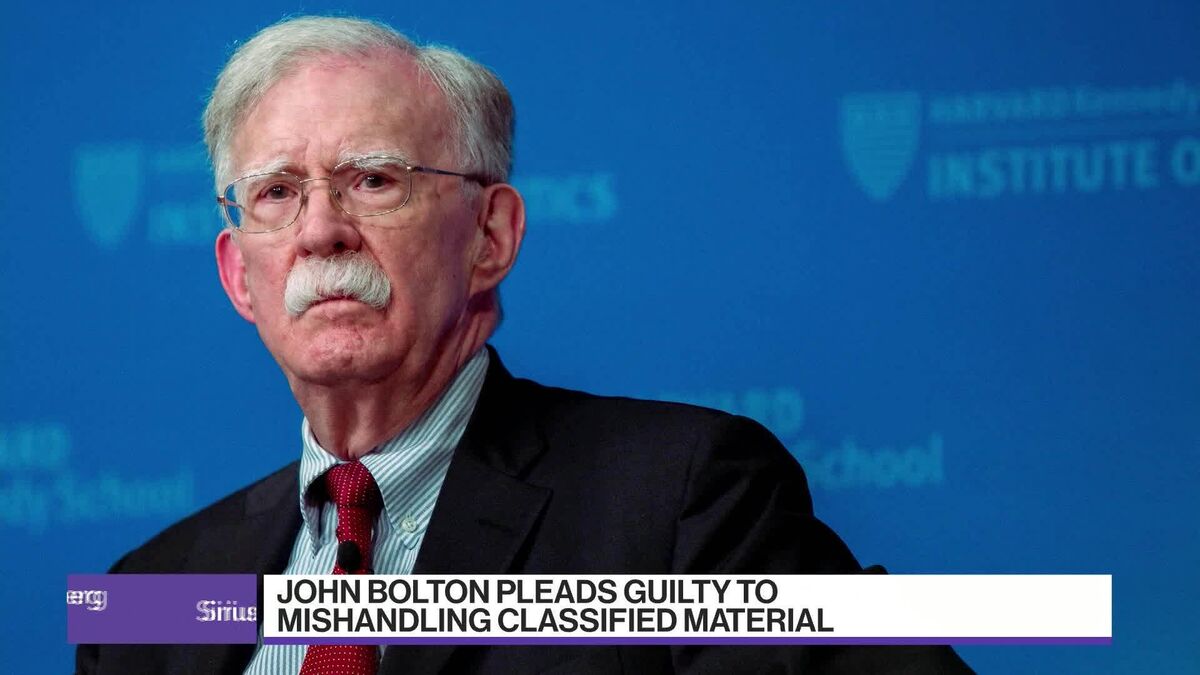
John Bolton pleads guilty to unlawfully retaining national defense information, marking a significant legal development for the former national security adviser.
John Bolton, a former national security adviser to President Donald Trump who became one of his fiercest critics, appeared in court on Friday to plead guilty to unlawfully retaining national defense information, according to Bloomberg Markets. The plea marks a significant legal development for Bolton, who served in the Trump administration before publicly breaking with the former president.
Key takeaways
John Bolton pleaded guilty to unlawfully retaining national defense information in court on Friday, according to Bloomberg Markets
Bolton served as national security adviser to President Donald Trump before becoming a prominent critic
The case involves mishandling of classified material, a charge that carries legal and political implications
Constitutional and criminal defense experts are analyzing the legal framework and potential consequences of the plea
Table of Contents
What happened
Political context
Legal framework for classified material cases
What to watch next
What happened
Bloomberg Markets reported that John Bolton appeared in court on Friday to enter a guilty plea to charges of unlawfully retaining national defense information. The former national security adviser, who served under President Donald Trump, faced charges related to the mishandling of classified material. Robert McWhirter, a constitutional lawyer and practicing criminal defense and civil rights lawyer in Maricopa County, Arizona, and founder of the Law Office of Robert McWhirter, joined Bloomberg Markets to discuss the case.
The source context confirms Bolton's guilty plea but does not specify the exact nature of the classified material involved, the circumstances under which the retention occurred, or the potential sentencing range. The case adds Bolton to a list of former government officials who have faced legal scrutiny over the handling of sensitive national security information. The available source context does not identify whether the plea agreement includes cooperation terms, financial penalties, or restrictions on future government service.
Political context
John Bolton served as national security adviser to President Donald Trump from April 2018 to September 2019, a period marked by significant foreign policy debates and internal administration tensions. After leaving the White House, Bolton became one of Trump's most vocal critics, publishing a memoir that detailed his time in the administration and offering public commentary on Trump's foreign policy decisions and conduct in office. The source context describes Bolton as having become "one of his fiercest critics," but does not specify which particular criticisms or public statements are most relevant to the current legal case.
For readers following broader general market briefs , this development can help frame the wider political and legal context surrounding former government officials and classified information protocols. The case arrives amid ongoing national debates about the handling of classified material by senior officials across multiple administrations. The source context does not indicate whether Bolton's prior public criticism of Trump influenced the timing or nature of the charges, nor does it specify which agency or prosecutor brought the case.
Legal framework for classified material cases
Unlawful retention of national defense information is a federal offense that can carry significant legal consequences, including potential imprisonment, fines, and loss of security clearances. The charge typically involves the knowing possession of classified material outside authorized secure facilities or the failure to return such material when required. Constitutional and criminal defense experts often analyze these cases by examining the intent of the accused, the sensitivity of the material involved, the duration of retention, and whether the material was disclosed to unauthorized parties.
Robert McWhirter, the constitutional lawyer who joined Bloomberg Markets to discuss the case, brings expertise in criminal defense and civil rights law. The source context does not provide McWhirter's specific legal analysis or opinion on the Bolton case, nor does it detail recent Supreme Court decisions mentioned in the snippet. For investors and market readers, classified material cases involving former senior officials can matter because they may influence government transparency debates, regulatory oversight of sensitive information, and the legal risks associated with public service roles. However, the source context does not specify any direct market impact or investor reaction to Bolton's plea.
What to watch next
Market readers and legal observers may watch for several follow-up developments in the Bolton case. Future court filings could clarify the sentencing date, any cooperation agreement terms, and the specific statutory penalties Bolton faces. The source context does not specify whether Bolton will face additional charges, whether other individuals are implicated, or whether the case will prompt broader reviews of classified material handling procedures for former national security officials.
Readers may also monitor public statements from Bolton, his legal team, or government prosecutors that could provide additional context about the circumstances of the plea. The source context does not indicate whether Bolton has issued a public statement about the guilty plea or whether he plans to appeal any aspect of the case. Constitutional law experts and former government officials may offer commentary on the legal precedent the case sets for future classified material prosecutions. Without additional details, the case should be treated as a confirmed legal development with limited operational detail available at this time.
Read original source