policy
Kia Says UK Law Blocks Live Tracking of Stolen Vehicles
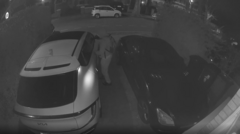
Kia told the BBC that UK law prevents its location tracking function from being used to live track stolen vehicles, raising questions about security tech.
Kia told the BBC that UK law prevents its location tracking function from being used to live track stolen vehicles, according to a report published July 1, 2026. The disclosure highlights legal constraints on vehicle security technology and raises questions about how automakers balance privacy regulation with theft recovery capabilities.
Key takeaways
Kia confirmed UK law blocks its location tracking function from live tracking stolen cars, according to BBC Business.
The disclosure suggests privacy and data protection rules may limit how automakers deploy vehicle tracking technology in the UK market.
For vehicle owners and insurers, the legal constraint raises questions about theft recovery options and the practical limits of connected car features.
Readers should watch for future regulatory updates, industry responses, and any additional disclosures from Kia or other automakers on tracking capabilities.
According to BBC Business, Kia stated that UK law prevents the company from using its location tracking function to live track vehicles after theft. The source does not specify which UK statute or regulation applies, nor does it detail whether the restriction stems from data protection rules, privacy law, or telecommunications regulation. The disclosure was made in response to questions about vehicle theft recovery, but the source does not provide additional context on the circumstances that prompted the statement or whether other automakers face similar constraints. For vehicle owners, the legal limitation raises practical questions about the effectiveness of connected car features marketed as security tools. Location tracking systems are often promoted as theft deterrents and recovery aids, but regulatory restrictions may reduce their utility in real-world theft scenarios. For readers following broader general market briefs , this development can help frame the wider context around automotive technology and privacy regulation.
Read original source