market
King Charles Paid £12.9m in Tax for 2024-2025 Fiscal Year
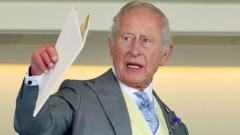
King Charles paid £12.9 million in tax for the 2024-2025 fiscal year, according to BBC Business, which identified three unusual aspects of his tax situation.
King Charles paid £12.9 million in tax for the 2024-2025 fiscal year, according to BBC Business, which reported three unusual aspects of the King's tax situation. The disclosure offers a rare view into royal finances and highlights the unique tax treatment applied to the British monarch, a topic that matters for readers tracking public finance transparency and high-net-worth tax policy.
Key Takeaways
King Charles paid £12.9 million in tax for the 2024-2025 fiscal year, according to BBC Business
The source identified three unusual aspects of the King's tax situation
Royal tax arrangements differ from standard individual tax treatment in the United Kingdom
The disclosure provides insight into public finance transparency and high-net-worth tax policy
Table of Contents
What the Source Confirmed
Why Royal Tax Arrangements Matter
What Remains Unclear
What to Watch Next
What the Source Confirmed
BBC Business reported that King Charles paid £12.9 million in tax for the 2024-2025 fiscal year. The source stated that three unusual things characterize the King's tax bill, though the available source context does not specify the details of those three unusual aspects. The disclosure represents a confirmed data point for readers tracking royal finances and public accountability in the United Kingdom.
The source context does not identify the tax rate applied, the income sources subject to taxation, the specific tax treatment of royal estates, or the comparison to prior fiscal years. The available information confirms the total tax payment and the existence of unusual tax features, but further official disclosures would be needed to determine the full structure of the King's tax obligations.
Why Royal Tax Arrangements Matter
Royal tax arrangements matter because they sit at the intersection of public finance, constitutional tradition, and high-net-worth tax policy. In general market context, tax transparency for public figures can influence public trust, policy debates, and the broader discussion of tax equity. For readers following broader market updates , royal tax disclosures offer a case study in how unique tax structures apply to individuals with complex income sources and constitutional roles.
The King's tax situation differs from standard individual tax treatment because royal income often includes estate revenues, constitutional allowances, and assets held in trust. Tax policy for monarchs typically reflects a balance between constitutional tradition, public accountability, and the operational needs of the royal household. The available source context does not specify whether the £12.9 million payment represents voluntary tax contributions, statutory obligations, or a combination of both.
What Remains Unclear
The source context does not specify the three unusual aspects of the King's tax bill mentioned in the headline. Without those details, readers cannot assess the specific tax treatment, the income sources involved, or the policy mechanisms that create the unusual features. The available information also does not identify the tax rate, the comparison to prior years, the treatment of royal estates, or the distinction between personal income and official allowances.
Further official disclosures from the royal household or HM Revenue and Customs would be needed to clarify the tax structure, the voluntary versus statutory nature of the payment, and the policy rationale for any unusual tax features. The source context confirms the total tax payment and the existence of unusual aspects, but does not provide the operational detail needed for a complete analysis.
What to Watch Next
Readers may watch for future royal financial disclosures, which could provide additional detail on the tax structure, income sources, and the specific unusual features mentioned in the source. Public finance transparency initiatives in the United Kingdom may also influence the level of detail available in future reports. For readers tracking high-net-worth tax policy, the King's tax situation offers a case study in how unique tax arrangements apply to individuals with constitutional roles and complex income structures.
Market readers may also monitor broader tax policy debates in the United Kingdom, including discussions of tax equity, transparency, and the treatment of estate revenues. The available source context does not specify the policy outlook, the public response, or the comparison to tax arrangements in other constitutional monarchies, so readers should treat the disclosure as a confirmed headline with limited operational detail until further information becomes available.
Read original source