markets
Kongsberg Missile Demand Surges as NATO Defense Spending Rises
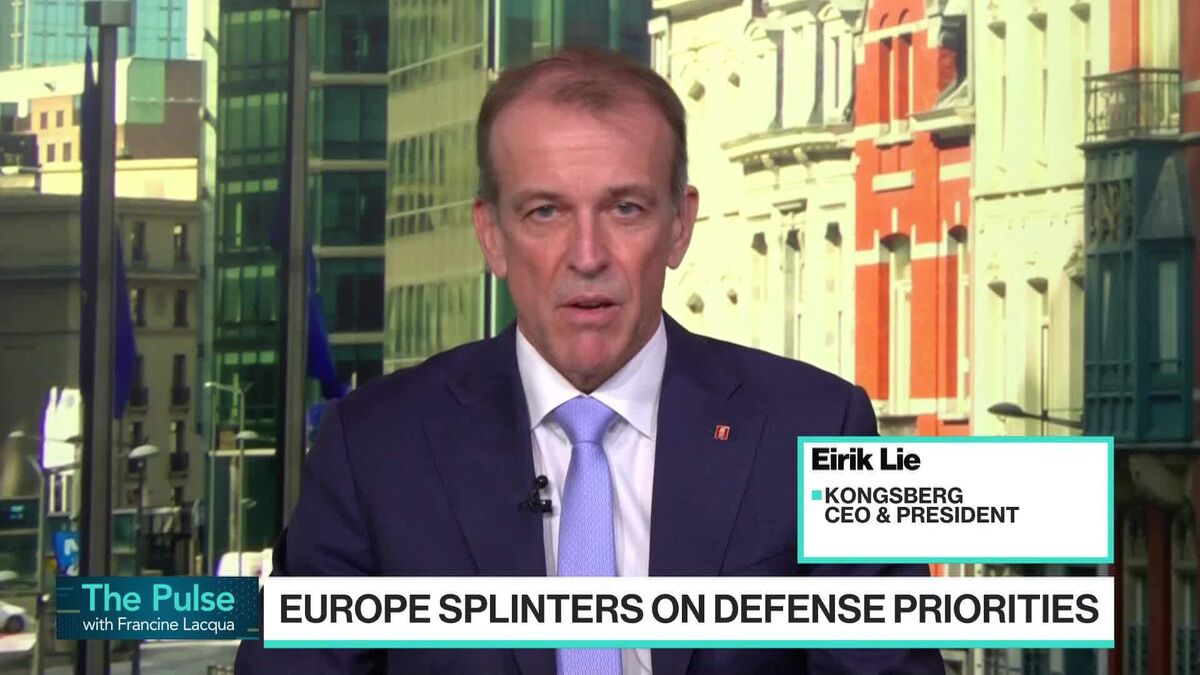
Kongsberg CEO Eirik Lie reports steep missile demand and positive European defense spending momentum ahead of NATO's July 2026 summit in Ankara.
Kongsberg Gruppen ASA is experiencing steep demand for its missile systems as European defense spending shows positive momentum, according to CEO Eirik Lie. Bloomberg Markets reported that Lie discussed the Kongsberg missile demand environment and European NATO spending trends in an interview with Bloomberg TV's Francine Lacqua on June 29, 2026, ahead of the NATO summit scheduled for July in Ankara, Turkey, where European member states will face expectations to demonstrate progress toward spending 5% of GDP on defense.
Key Takeaways
Kongsberg CEO Eirik Lie confirmed the company is seeing "really steep" demand for its missile systems, according to Bloomberg Markets.
European defense spending showed "positive movement forward" throughout the past year, though Lie noted it remains below the level needed.
European NATO states will be expected to prove progress toward 5% of GDP defense spending at the July NATO summit in Ankara, Turkey.
For investors, defense contractor demand trends can matter because they may influence revenue visibility, production capacity planning, and capital allocation priorities.
Table of Contents
Missile Demand and Production Outlook
European Defense Spending Momentum
NATO Summit Expectations and Policy Context
What Investors Should Watch Next
Missile Demand and Production Outlook
Kongsberg CEO Eirik Lie told Bloomberg TV that the company is experiencing "really steep" demand for its missile systems. The statement provides a qualitative signal about order activity and customer interest, though the source context does not include specific order volumes, contract values, production rates, or delivery timelines.
For defense contractors, demand visibility can matter because it may influence production planning, supply chain management, workforce allocation, and capital investment decisions. Investors often monitor demand trends to assess revenue predictability and operational execution risk.
European Defense Spending Momentum
Eirik Lie stated that Kongsberg has observed a "positive movement forward" in European defense spending throughout the past year. However, he noted that spending levels are still not yet at the level needed. The source context does not provide specific spending figures, country-level breakdowns, year-over-year growth rates, or comparisons to historical defense budgets.
For defense contractors, government spending trends can matter because they may influence procurement budgets, contract award timelines, and long-term demand visibility. Investors often evaluate defense spending trends to assess the macroeconomic and policy environment supporting defense contractor revenue growth.
For readers following broader market updates , defense spending trends can help frame the policy and fiscal environment affecting defense contractors, aerospace companies, and related supply chain participants.
NATO Summit Expectations and Policy Context
NATO defense spending targets have historically been a source of political debate, with member states facing varying fiscal constraints, domestic political priorities, and threat perceptions. The 5% of GDP target represents a significant increase from previous NATO spending benchmarks.
The source context does not provide details on when the 5% target was established, whether it is a binding commitment or an aspirational goal, or how it compares to current spending levels across European NATO members.
For investors, NATO spending expectations can matter because they may influence government procurement budgets, defense contractor order pipelines, and political support for defense investment. Market readers may watch for summit outcomes, member state spending commitments, and any policy announcements that could affect defense contractor revenue visibility.
What Investors Should Watch Next
Investors and defense industry readers may monitor several developments following the NATO summit and Kongsberg's demand commentary. Future company disclosures, including quarterly earnings reports, order book updates, and contract announcements, could provide additional detail on missile demand, production capacity, and revenue timing.
Kongsberg's ability to convert demand into revenue will depend on production capacity, supply chain performance, workforce availability, and customer delivery schedules. Investors often evaluate whether defense contractors can scale production to meet demand without incurring cost overruns or delivery delays.
European defense spending trends will remain a key variable for defense contractors operating in NATO markets. Market readers may watch for post-summit announcements on member state spending commitments, procurement priorities, and budget allocations.
Any changes to NATO defense spending targets, timelines, or enforcement mechanisms could influence the policy environment supporting defense contractor demand. Additionally, geopolitical developments, threat assessments, and political leadership changes in European NATO states may affect the pace and scale of defense budget increases.
For investors, the combination of demand visibility, production execution, and government spending trends will help frame the revenue and margin outlook for defense contractors such as Kongsberg.
Read original source