tech
Markets Ignore Policy Shocks, Morgan Stanley Analyst Says
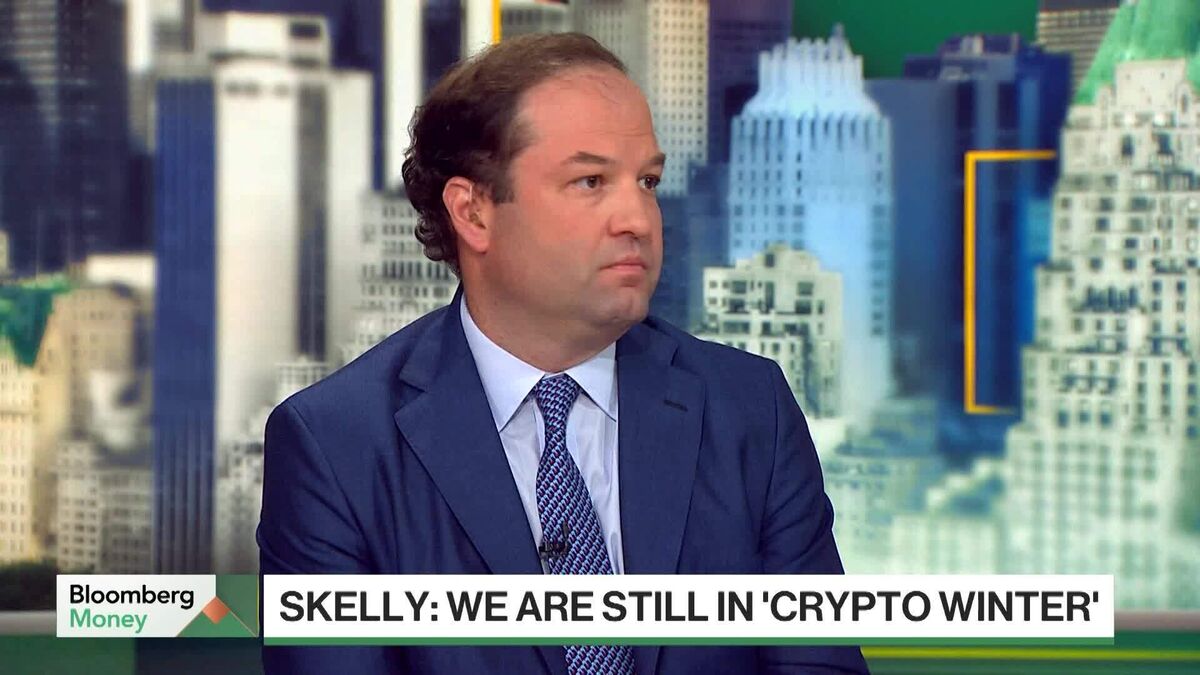
Morgan Stanley's Dan Skelly says markets and the economy are ignoring policy shocks, raising questions about investor attention and risk assessment.
Markets and the economy are ignoring policy shocks, according to Dan Skelly, managing director and head of the equity model portfolio team at Morgan Stanley Wealth Management, who shared his view on Bloomberg Money. The observation raises questions about how investors are assessing policy risk and market resilience as policy developments continue to unfold. For readers following broader market updates , this perspective can help frame current investor attention and risk management considerations.
Key takeaways
Dan Skelly of Morgan Stanley Wealth Management stated that markets and the economy are ignoring policy shocks, according to Bloomberg Markets.
The observation suggests that investor attention may not be fully focused on policy risk at this time.
For market readers, this type of commentary can matter because policy developments often influence volatility, sector rotation, and risk appetite.
Readers should watch for future market data, policy announcements, and additional analyst commentary to assess whether this pattern continues.
Table of Contents
What happened
Why it matters
What to watch next
What happened
Dan Skelly, managing director and head of the equity model portfolio team at Morgan Stanley Wealth Management, appeared on Bloomberg Money and stated that markets and the economy are ignoring policy shocks, according to Bloomberg Markets. The source context does not specify which policy shocks Skelly referenced, the geographic scope of the observation, the asset classes or sectors he discussed, or the time period over which this pattern has been observed. The available source context confirms the headline observation but does not provide additional operational detail, market data, or specific examples.
The source context does not identify whether Skelly discussed equity markets, bond markets, commodities, or other asset classes. It also does not specify whether the observation applies to U.S. markets, global markets, or specific regions. Without additional details, the event should be treated as a confirmed analyst observation with limited operational context. Readers interested in the full discussion may refer to the original Bloomberg video segment for additional commentary and context.
Why it matters
For investors, policy developments can influence market volatility, sector performance, and risk appetite. When markets appear to ignore policy shocks, it may suggest that investors are prioritizing other factors such as earnings, economic data, or liquidity conditions. This type of pattern can matter because it may affect how traders assess risk, allocate capital, and position portfolios. However, the source context does not specify whether Skelly views this pattern as sustainable, temporary, or a source of concern for future market stability.
In general market context, policy shocks can include fiscal changes, regulatory updates, central bank decisions, trade developments, or geopolitical events. The extent to which markets respond to these shocks often depends on investor expectations, the perceived magnitude of the policy change, and the broader economic backdrop. For readers evaluating market conditions, analyst commentary on policy attention can help frame the current risk environment. However, without additional detail on which policy shocks were discussed, readers should treat this as a high-level observation rather than a specific investment signal.
What to watch next
Market readers may watch for future analyst commentary from Morgan Stanley Wealth Management, additional market data on volatility and sector performance, and any policy announcements that could test the pattern Skelly described. If markets continue to show limited reaction to policy developments, it may suggest that investors are confident in the economic outlook or that policy shocks are being viewed as manageable. Conversely, if policy attention increases, it could lead to higher volatility and shifts in sector rotation.
Readers should also monitor earnings reports, economic data releases, and central bank communications, as these factors often influence how markets respond to policy developments. The source context does not provide a timeline for when this pattern may change or what specific events could trigger a shift in investor attention. As always, market readers should evaluate multiple sources of information and avoid relying on any single analyst observation when making investment decisions.
Read original source