general
Millions in Brazil Get Fake Government Mobile Alert After Hack
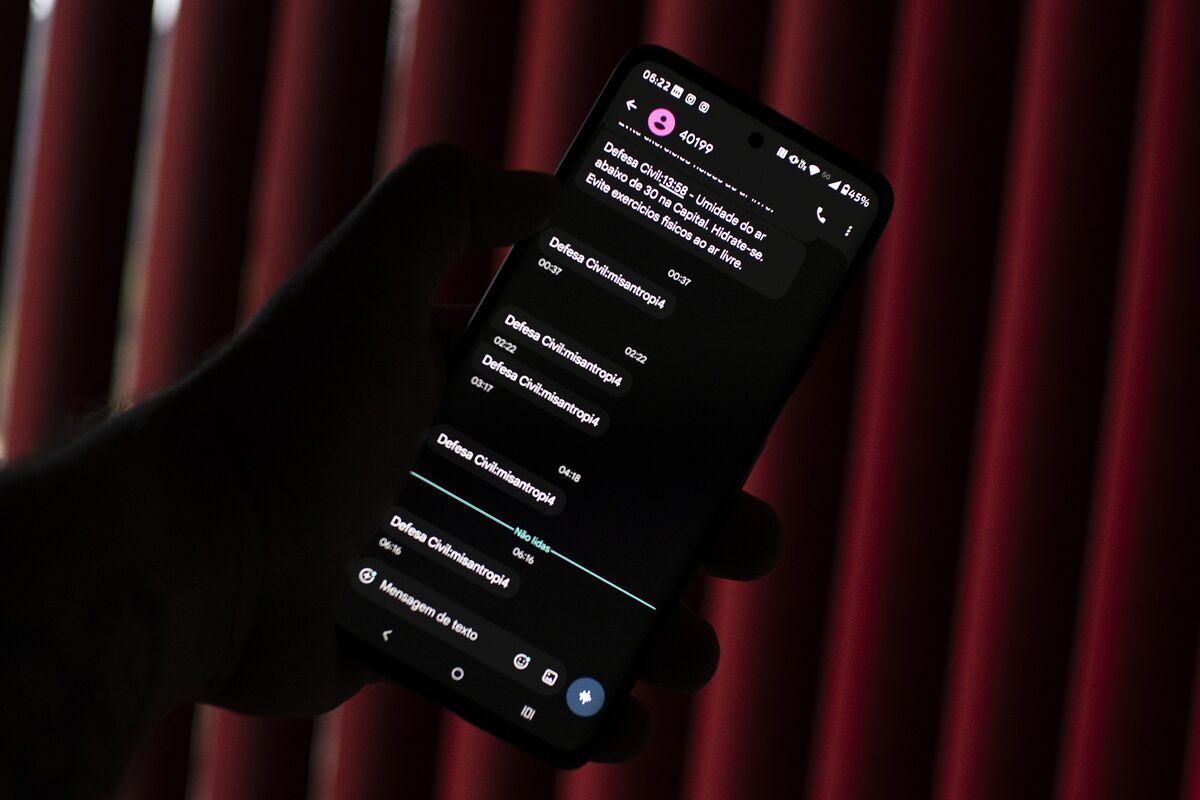
Brazil investigates major security breach of civil defense alert system that sent fake messages containing 'misanthropy' to millions of citizens.
Brazilian authorities are investigating a significant cybersecurity breach that compromised the nation's civil defense alert system, resulting in fraudulent emergency notifications being sent to millions of mobile phone users across the country. The Integration and Regional Development Ministry, working alongside federal police, has launched a probe into the intrusion that allowed unauthorized messages containing the word "misanthropy" to reach citizens through official government channels.
The incident raises serious questions about the security infrastructure protecting critical government communication systems in Latin America's largest economy and highlights vulnerabilities in emergency alert platforms that citizens rely upon during natural disasters and other crises.
Table of Contents
- Details of the Security Breach
- Government Response and Investigation
- Implications for Critical Infrastructure Security
- Broader Context for Investors
Details of the Security Breach
The unauthorized intrusion targeted Brazil's civil defense alert system, a platform designed to deliver emergency notifications to the public during natural disasters, security threats, and other critical situations. The compromised system sent messages containing the word "misanthropy"—defined as a general dislike or distrust of humankind—to millions of Brazilian mobile phone users.
The scale of the breach is substantial, affecting a significant portion of Brazil's population of over 200 million people. Civil defense alert systems are considered critical infrastructure, as they serve as the primary mechanism for government authorities to communicate urgent information to citizens during emergencies such as floods, landslides, severe weather events, and security incidents.
The nature of the message—containing a philosophical term rather than typical spam or malicious content—has raised questions about the motivations behind the attack. Security experts note that such breaches can serve multiple purposes, from demonstrating system vulnerabilities to testing government response capabilities or simply causing public disruption and eroding trust in official communication channels.
Government Response and Investigation
Brazil's Integration and Regional Development Ministry has taken the lead in responding to the incident, coordinating with federal police to conduct a comprehensive investigation. The ministry oversees civil defense operations and emergency management systems across the country, making it the primary authority responsible for the integrity of the alert platform.
Federal police involvement signals the seriousness with which Brazilian authorities are treating the breach. Law enforcement agencies will likely focus on identifying the perpetrators, determining how the intrusion occurred, assessing what other systems may have been compromised, and implementing measures to prevent future incidents.
The investigation will need to address several critical questions: whether the breach was the work of domestic or international actors, whether it was politically motivated or purely opportunistic, and what vulnerabilities in the system allowed unauthorized access. Authorities will also need to determine whether any sensitive data was accessed or exfiltrated during the intrusion beyond the ability to send messages.
Implications for Critical Infrastructure Security
This incident underscores the growing cybersecurity challenges facing government institutions worldwide, particularly those managing critical infrastructure and emergency communication systems. As nations increasingly digitize public services and emergency response capabilities, the attack surface for malicious actors expands correspondingly.
For Brazil specifically, the breach comes at a time when the country has been working to modernize its digital government services and improve cybersecurity postures across federal agencies. The incident may prompt a broader review of security protocols across government communication platforms and could lead to increased investment in cybersecurity infrastructure and personnel.
Emergency alert systems represent particularly attractive targets for malicious actors because successful compromises can cause widespread public confusion, erode trust in government institutions, and potentially create dangerous situations if citizens begin ignoring legitimate emergency warnings. The psychological impact of receiving fraudulent government alerts can be significant, potentially reducing public responsiveness to future genuine emergencies.
Broader Context for Investors
While this incident directly involves government infrastructure rather than private sector entities, it carries implications for investors monitoring cybersecurity trends, technology infrastructure in emerging markets, and telecommunications sectors. Brazil represents a major market for cybersecurity solutions, and incidents like this typically accelerate government procurement of security technologies and services.
Companies providing cybersecurity solutions, secure communications platforms, and critical infrastructure protection may see increased demand from Brazilian government agencies seeking to prevent similar breaches. The incident also highlights the ongoing need for robust security measures across Latin American markets, where digital transformation initiatives are creating new vulnerabilities alongside new capabilities.
Telecommunications providers operating in Brazil may face questions about their role in the alert system infrastructure and could be called upon to implement additional security measures. The incident serves as a reminder to investors that cybersecurity risks extend beyond traditional corporate targets to encompass government systems that underpin public safety and trust.
Conclusion
The unauthorized breach of Brazil's civil defense alert system represents a significant cybersecurity incident with implications extending beyond immediate public confusion. As authorities investigate how millions of citizens received fraudulent government messages, the incident highlights persistent vulnerabilities in critical communication infrastructure and the evolving threat landscape facing government institutions. The response to this breach will likely shape Brazil's approach to securing digital government services and may accelerate investments in cybersecurity capabilities across public sector agencies. For market participants, the incident underscores the growing importance of cybersecurity in emerging markets and the potential for increased demand for security solutions as governments work to protect critical infrastructure from increasingly sophisticated threats.
Read original source