market
MSCI Delays Indonesia Market Status Review Until November
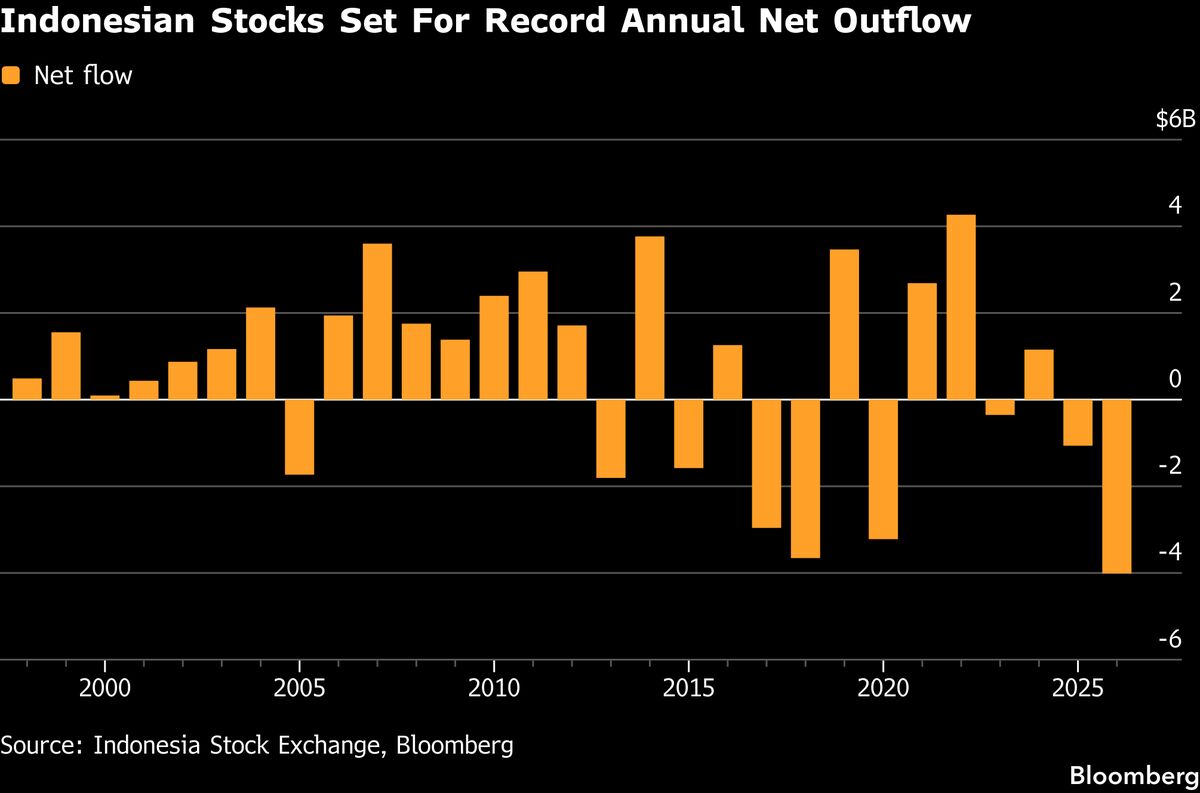
MSCI Inc. postpones Indonesia market status review until November 2026, citing need to assess effectiveness of recently announced transparency reforms.
MSCI Inc. has postponed its review of Indonesian equities until November, marking another delay in the index provider's assessment of the country's market status. According to Bloomberg Markets, the decision reflects MSCI's need for additional time to evaluate whether recently announced transparency reforms in Indonesia prove effective. The MSCI Indonesia market status review carries significant implications for foreign capital flows and institutional investor access to Southeast Asian equities.
Key takeaways
MSCI Inc. postponed its review of Indonesian equities until November 2026, according to Bloomberg Markets
The delay allows MSCI to assess the effectiveness of recently announced transparency reforms in Indonesia
Market status reviews by index providers typically influence institutional investor allocations and foreign capital flows (general context)
Indonesia's equity market classification affects its inclusion weight in emerging market benchmarks used by global fund managers (general context)
Table of Contents
What happened
Why it matters
What to watch next
What happened
MSCI Inc. announced it would postpone its review of Indonesian equities, stating it requires more time to observe whether recently announced transparency reforms deliver meaningful improvements. Bloomberg Markets reported the decision on June 23, 2026. This marks another delay in MSCI's ongoing assessment of Indonesia's market status, a process that determines how the country's equities are classified within the index provider's global framework.
The index provider specifically cited the need to evaluate the effectiveness of transparency reforms that Indonesian authorities have recently announced. The postponement extends the review timeline until November, giving MSCI several additional months to collect data and assess whether regulatory and market structure changes meet the index provider's standards. MSCI has not disclosed specific metrics or benchmarks that Indonesian reforms must achieve, but the delay signals that the index provider considers the current observation period insufficient.
Why it matters
Market status classifications by MSCI carry substantial weight in global capital allocation decisions. Index providers such as MSCI categorize national equity markets into frontier, emerging, and developed classifications based on criteria including market accessibility, liquidity, regulatory framework, and transparency standards. These classifications directly affect how institutional investors—including pension funds, sovereign wealth funds, and exchange-traded funds—allocate capital across geographies.
For Indonesia specifically, the review outcome influences the country's weight in widely tracked emerging market benchmarks. Institutional investors managing trillions of dollars in assets use MSCI indices as reference points for portfolio construction and performance measurement. Transparency reforms address concerns that have historically limited Indonesia's appeal to foreign institutional capital, including disclosure standards, corporate governance practices, and settlement efficiency.
What to watch next
Investors and market participants should monitor MSCI's November review timeline for any further updates or delays. The index provider will likely publish detailed assessments of Indonesia's transparency reforms, providing insight into which specific improvements meet MSCI's standards and which areas require additional work. Indonesian regulatory authorities may also release progress reports or implementation updates on transparency initiatives between now and November.
Beyond the November timeline, observers should watch for changes in foreign investor flows into Indonesian equities, which can indicate market confidence in reform progress even before MSCI makes a formal decision. Trading volumes, bid-ask spreads, and settlement efficiency metrics provide quantifiable evidence of market structure improvements. Additionally, statements from Indonesian exchange officials, securities regulators, and finance ministry representatives may offer context on reform implementation challenges and timelines.
Read original source