market
NBA Draft Pick Salaries Near $70M as TV Deals Boost League Revenue
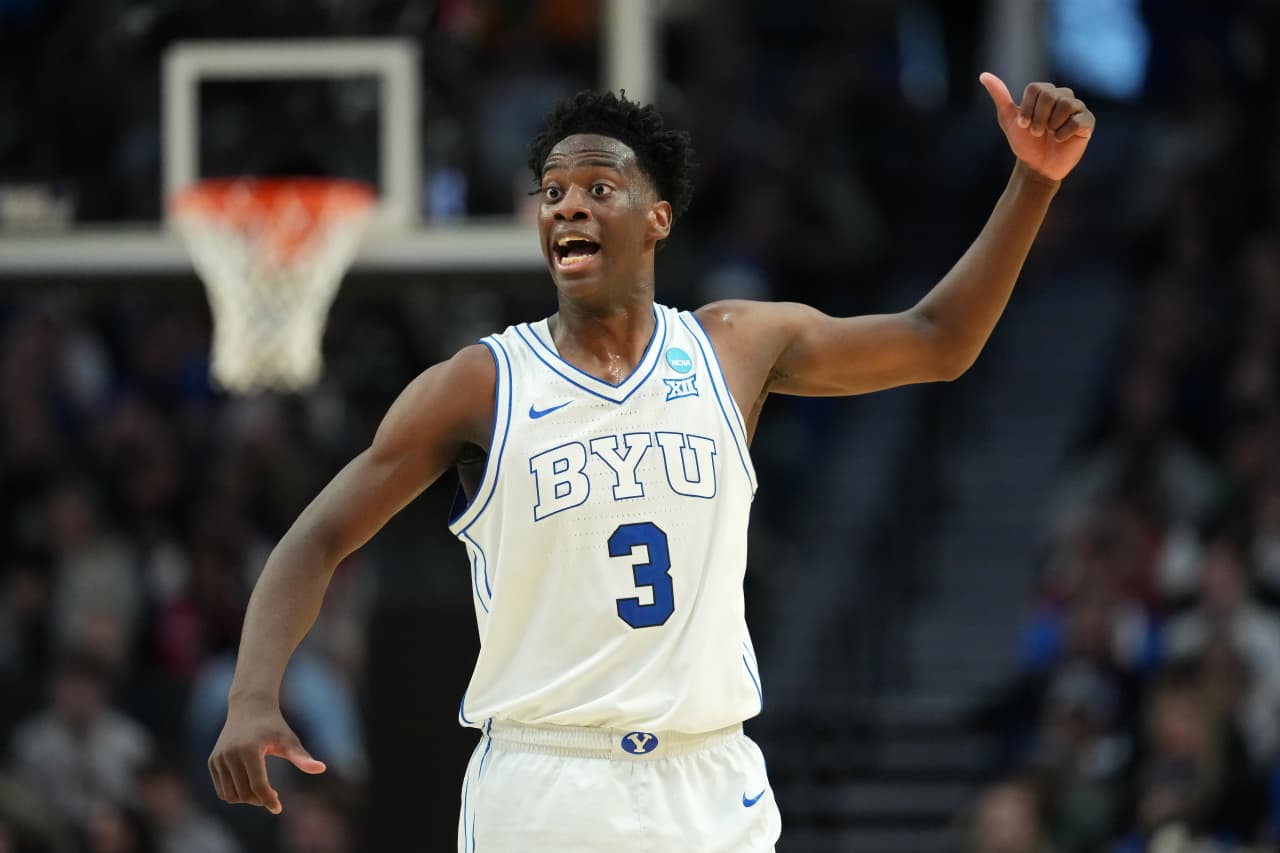
The No. 1 NBA draft pick will earn nearly $70 million, according to MarketWatch, as television deals continue to drive league revenue growth.
According to MarketWatch, the top selection in the NBA draft will earn nearly $70 million, reflecting the substantial financial stakes involved in professional basketball's annual talent selection. The source reports that falling just a few slots in the draft order could cost a player $30 million, underscoring how draft position directly translates to guaranteed contract value as television deals continue to channel revenue into the league.
Key takeaways
The No. 1 NBA draft pick will make nearly $70 million, according to MarketWatch
Falling a few slots in the draft could cost a player $30 million in guaranteed earnings
Television deals are identified as a key driver keeping money flowing into the NBA
General context: NBA rookie scale contracts are collectively bargained and tie compensation directly to draft position
Table of Contents
What happened
Why it matters
What to watch next
What happened
MarketWatch reported that the No. 1 overall selection in the NBA draft will earn nearly $70 million. The source emphasizes the high financial stakes at play during the draft, noting that a player's position in the selection order has significant monetary consequences. Specifically, the source states that falling a few slots could cost a player $30 million, illustrating the steep financial gradient between early and slightly later picks.
The source attributes the substantial sums involved to television deals that continue to bring money into the NBA. While the source does not specify the exact television agreements, contract terms, or broadcast partners involved, it frames these media rights deals as the underlying mechanism sustaining the league's revenue flow and, by extension, the guaranteed compensation available to incoming rookies through the draft system.
Why it matters
NBA rookie scale contracts are governed by the league's collective bargaining agreement, which establishes a predetermined salary structure tied directly to draft position. The first overall pick receives the highest rookie scale salary, with each subsequent pick earning progressively less over the standard four-year contract period. This structure means that draft order is not merely a matter of team preference or player prestige—it directly determines guaranteed earnings over the initial years of a professional career, often before a player has competed in a single NBA game.
Television and media rights deals represent the largest revenue stream for major professional sports leagues, including the NBA. Broadcast agreements with national and regional networks, streaming platforms, and international distributors generate billions of dollars annually, which are distributed among teams and allocated to player salaries under the league's salary cap system. When media rights values increase, the salary cap rises, and rookie scale salaries—which are calculated as a percentage of the cap—also increase. This dynamic explains why the source connects television deals directly to the nearly $70 million figure for the top pick. For investors and market observers, media rights negotiations serve as a leading indicator of league financial health, franchise valuations, and the broader sports media landscape.
What to watch next
Readers should monitor upcoming NBA media rights negotiations and renewals, as these agreements set the financial framework for the league over multi-year cycles. Changes in broadcast deal values, the entry of new streaming platforms, or shifts in viewing habits can materially affect league revenue, salary cap levels, and consequently the guaranteed earnings available to draft picks. The source does not specify when the next round of television negotiations will occur or which media partners are involved, but these developments are publicly reported and closely followed by sports business analysts.
Additionally, the structure of rookie scale contracts is subject to renegotiation during collective bargaining between the NBA and the National Basketball Players Association. Any changes to the rookie salary scale, contract length, or the percentage of salary cap allocated to first-year players would alter the financial stakes described in the source. While the source does not indicate imminent changes to the rookie scale, collective bargaining outcomes are a key variable for understanding future draft compensation. Investors interested in sports media, franchise valuations, or the broader entertainment sector should track both media rights trends and labor agreement developments as indicators of financial stability and growth potential within professional basketball.
Read original source