market
Negative Natural Gas Prices Spark Energy Permit Reform Call
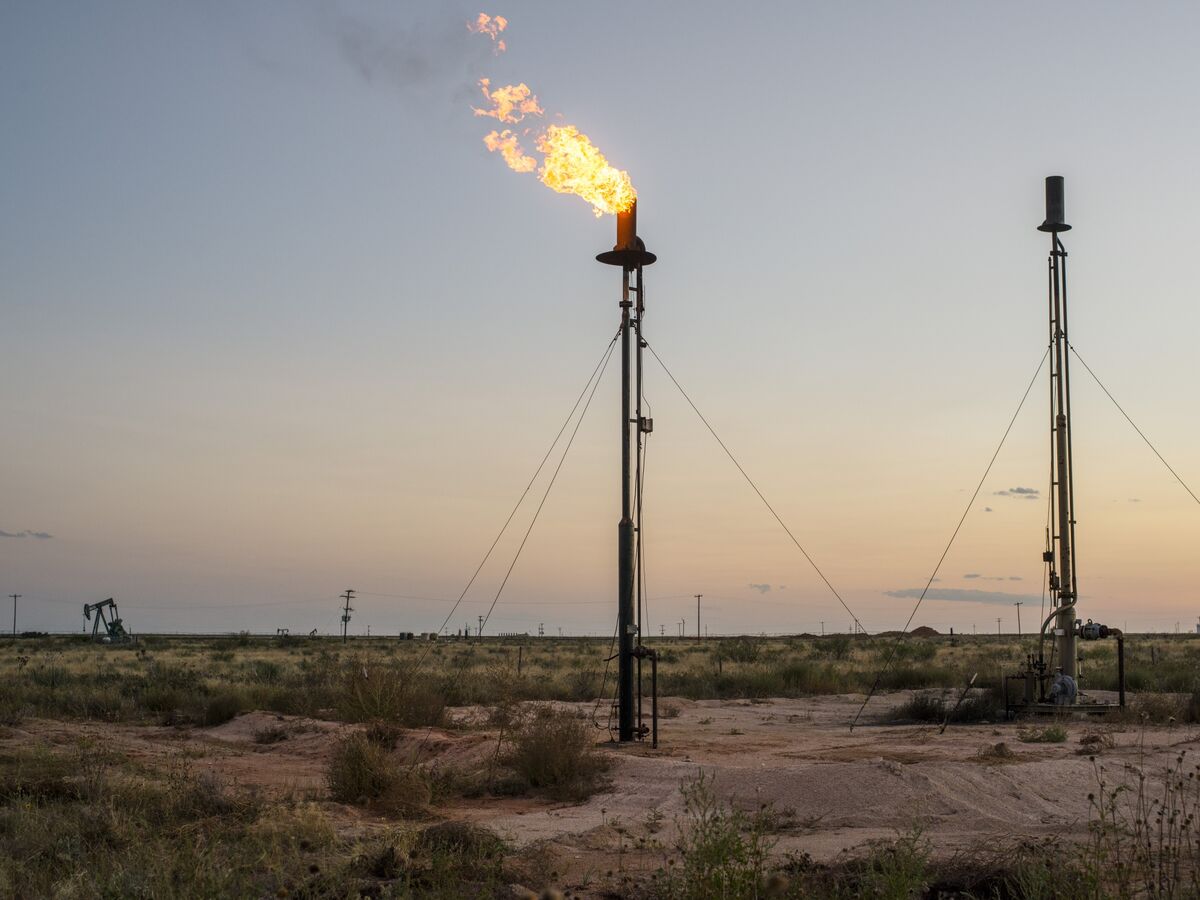
Ovintiv CEO cites record negative natural gas prices in the biggest US shale field as evidence for streamlined energy infrastructure permitting.
According to Bloomberg Markets, a record string of negative natural gas prices in the largest US shale field has prompted the chief executive of Ovintiv Inc. to call for streamlined permitting for pipelines and other energy infrastructure. The development highlights ongoing challenges in natural gas transportation capacity as production outpaces the ability to move supply to market.
Key takeaways
Ovintiv Inc. CEO cited a record string of negative natural gas prices in the biggest US shale field
The executive called for streamlined permitting for pipelines and other energy infrastructure
Negative pricing occurs when production exceeds local pipeline capacity and storage, forcing producers to pay buyers to take gas
Infrastructure bottlenecks remain a structural challenge in high-production shale basins
Table of Contents
What happened
Why it matters
What to watch next
What happened
The chief executive of Ovintiv Inc., an oil and gas producer, pointed to a record string of negative natural gas prices in the biggest US shale field as evidence that the United States needs to streamline permitting for pipelines and other energy infrastructure. The statement, reported by Bloomberg Markets on June 24, 2026, connects recent pricing anomalies directly to infrastructure constraints that limit the ability to transport natural gas from production areas to demand centers.
Negative natural gas prices represent an unusual market condition where producers must pay buyers to take their gas rather than receiving payment for it. This pricing dynamic typically emerges when production in a specific region exceeds the capacity of existing pipelines to transport the gas away from the wellhead, and when local storage facilities reach capacity. The Ovintiv CEO's remarks frame this pricing phenomenon as a symptom of regulatory and permitting obstacles that slow the development of necessary transportation infrastructure.
Why it matters
Natural gas infrastructure bottlenecks have significant implications for energy markets, producer economics, and broader energy policy debates. When pipeline capacity cannot keep pace with production growth in prolific shale basins, regional price dislocations emerge that can persist for extended periods. Producers caught in these bottlenecks face reduced revenues or outright losses on their gas production, which can influence drilling decisions, capital allocation, and regional employment in energy-dependent communities.
The permitting process for energy infrastructure in the United States involves multiple federal, state, and local regulatory layers, including environmental reviews, land use approvals, and consultations with affected communities and tribal nations. Proponents of permitting reform argue that lengthy approval timelines increase project costs, delay needed capacity additions, and contribute to price volatility. Critics of streamlined permitting raise concerns about environmental protection, community input, and the long-term climate implications of expanding fossil fuel infrastructure. The Ovintiv CEO's comments reflect a longstanding industry position that regulatory efficiency improvements are necessary to align infrastructure development with production growth, particularly in rapidly expanding shale plays where drilling technology has outpaced transportation capacity.
What to watch next
Market participants will monitor whether negative pricing episodes in major shale basins become more frequent or prolonged, as this would signal worsening infrastructure constraints. Natural gas futures markets, basis differentials between regional hubs and national benchmarks, and producer earnings reports will provide ongoing evidence of how infrastructure limitations affect pricing and profitability. Legislative and regulatory developments related to energy permitting reform at both federal and state levels will also be important indicators of whether policy changes follow industry calls for streamlined approvals.
Investors and analysts tracking Ovintiv Inc. and other natural gas-weighted producers should pay attention to company-specific strategies for managing infrastructure risk, including pipeline capacity contracts, diversification of production across multiple basins, and capital allocation decisions that balance drilling activity with takeaway capacity. Broader energy policy debates, including discussions around energy security, domestic supply reliability, and the role of natural gas in the energy transition, may influence the political and regulatory environment for infrastructure permitting in the months ahead. The interplay between production growth, infrastructure development timelines, and regulatory frameworks will continue to shape regional natural gas pricing dynamics and producer economics.
Read original source