policy
New Zealand Manufacturing Hits 5-Year High as Rate Rise Confirmed
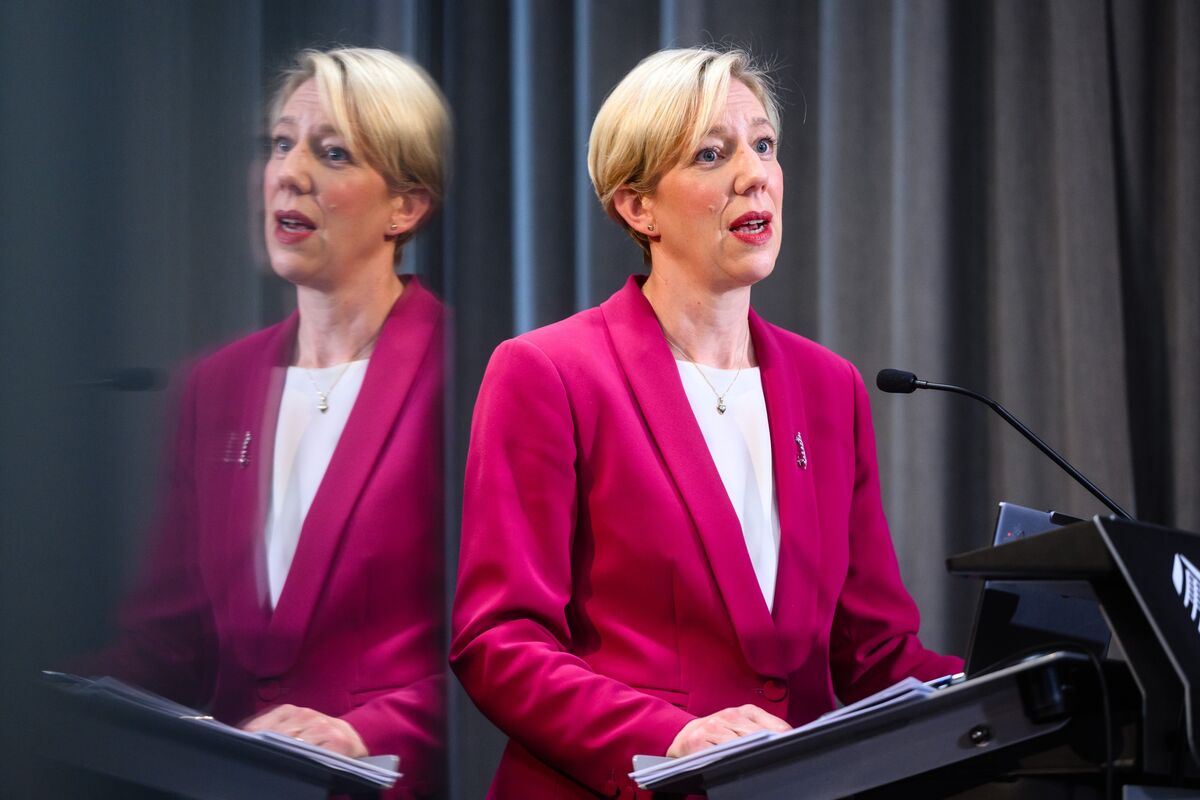
New Zealand manufacturing expanded at the fastest pace in almost five years in June as central bank Governor Anna Breman pointed to economic recovery.
New Zealand manufacturing expanded at the fastest pace in almost five years in June as central bank Governor Anna Breman pointed to a burgeoning economic recovery, underscoring this week's decision to raise interest rates, according to Bloomberg Markets. The manufacturing expansion and the central bank's rate decision together highlight shifting economic conditions in New Zealand, offering market readers a view into how monetary policy and industrial activity can intersect during a recovery phase.
Key takeaways
New Zealand manufacturing expanded at the fastest pace in almost five years in June, according to Bloomberg Markets.
Central bank Governor Anna Breman pointed to a burgeoning economic recovery, underscoring the decision to raise interest rates this week.
The manufacturing expansion and rate rise together illustrate how industrial activity and monetary policy can align during a recovery phase.
Market readers may watch future manufacturing data, central bank communications, and broader economic indicators for New Zealand.
Table of Contents
What happened
Why it matters
What to watch next
What happened
Bloomberg Markets reported that New Zealand manufacturing expanded at the fastest pace in almost five years in June. The expansion coincided with comments from central bank Governor Anna Breman, who pointed to a burgeoning economic recovery. The central bank raised interest rates this week, a decision that Breman's remarks helped underscore. The source context confirms the manufacturing pace, the timeframe, the Governor's comments, and the rate decision, but does not provide additional detail on the magnitude of the rate rise, specific manufacturing sectors, or regional breakdowns.
Why it matters
Manufacturing expansion can matter for several reasons. First, it often signals rising demand, improved business confidence, and stronger employment conditions. When manufacturing activity accelerates, it can support broader economic growth, influence trade balances, and affect corporate earnings for industrial companies. For investors, manufacturing data can help frame expectations for economic momentum, inflation pressures, and central bank policy. In this case, the five-year high in manufacturing pace suggests that New Zealand's industrial sector is experiencing a notable recovery phase.
The central bank's decision to raise interest rates in the context of this manufacturing expansion illustrates how monetary policy can respond to economic strength. Rate rises are typically used to manage inflation risks and prevent economies from overheating. For market readers, the combination of strong manufacturing data and a rate rise can signal that policymakers are confident enough in the recovery to begin tightening monetary conditions. This dynamic can influence currency markets, bond yields, equity valuations, and investor sentiment toward New Zealand assets. For readers following broader market updates , this development can help frame how central banks in smaller developed economies are navigating the balance between supporting growth and managing inflation risks.
What to watch next
Market readers may watch several follow-up items. Future manufacturing data releases will help confirm whether the June expansion represents a sustained trend or a temporary peak. Central bank communications, including policy statements, meeting minutes, and speeches from Governor Breman or other officials, will offer insight into how policymakers interpret the manufacturing recovery and what further rate adjustments may be considered. Broader economic indicators such as employment data, inflation reports, consumer spending, and trade balances will help frame the overall health of the New Zealand economy and the risks that may influence future policy decisions.
Investors may also monitor how financial markets respond to the rate rise and manufacturing data. Currency movements, bond yields, and equity performance for New Zealand-listed companies can offer clues about market expectations for future rate rises, economic growth, and inflation. The source context does not provide detail on market reaction, so readers should treat the manufacturing expansion and rate rise as confirmed headlines and watch for additional disclosures in future reports. Without further detail on the magnitude of the rate rise, the specific manufacturing sectors driving the expansion, or the central bank's forward guidance, the event should be understood as a positive signal for New Zealand's economic recovery, with implications for monetary policy and investor positioning.
Read original source