general
Nvidia Seeks to Make Humanoid AI Robots Safer Around Humans
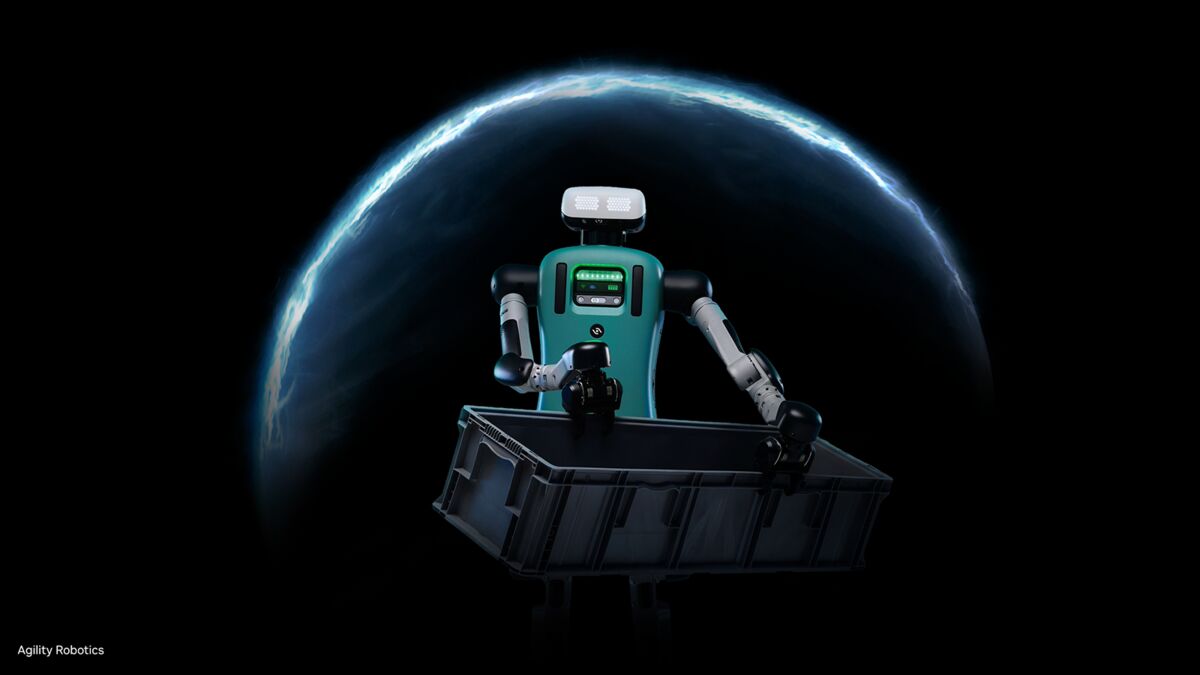
Nvidia is developing safety technology for humanoid robots to enable split-second decision-making before they can work safely alongside humans.
Nvidia Corp. is advancing its robotics initiatives with a focus on safety systems that would allow humanoid robots to operate in close proximity to people. The semiconductor giant is addressing one of the critical barriers to widespread adoption of humanoid robotics: the ability to make instantaneous decisions that protect human workers and bystanders. This development signals Nvidia's expanding ambitions beyond graphics processing and artificial intelligence chips into the practical deployment of AI-powered physical systems.
Table of Contents
- Safety as a Prerequisite for Human-Robot Collaboration
- Split-Second Decision-Making Technology
- Nvidia's Strategic Position in Robotics
- Implications for Industry Adoption
Safety as a Prerequisite for Human-Robot Collaboration
The company's work on humanoid robot safety represents a fundamental requirement for the technology to move from controlled industrial environments into settings where humans and robots share workspace. Traditional industrial robots operate behind safety cages and barriers precisely because their movements can pose risks to nearby workers. Humanoid robots, by design, are intended to work alongside people in less structured environments such as warehouses, retail spaces, hospitals, and potentially homes.
Nvidia's focus on safety systems acknowledges that public and regulatory acceptance of humanoid robots will depend heavily on demonstrated reliability in protecting human safety. The company is positioning itself to provide the computational infrastructure that enables robots to perceive their environment, predict potential hazards, and react appropriately within the milliseconds available before a dangerous situation develops.
Split-Second Decision-Making Technology
According to the company, humanoid robots will need to handle split-second decisions before they can be trusted to work closely with humans. This requirement points to sophisticated real-time processing capabilities that go beyond simple obstacle avoidance. The technology must enable robots to interpret complex, dynamic environments where human behavior is unpredictable and situations change rapidly.
The computational challenge is substantial. A humanoid robot working near people must continuously process visual, spatial, and potentially tactile data, run predictive models of human movement and intent, evaluate multiple response options, and execute appropriate actions—all within timeframes measured in milliseconds. This level of performance requires specialized hardware and software optimization, areas where Nvidia has established expertise through its GPU technology and AI platforms.
The company's existing strengths in parallel processing, neural network acceleration, and simulation environments position it well to tackle these challenges. Nvidia has previously developed platforms for autonomous vehicles that face similar requirements for real-time decision-making in unpredictable environments with human participants.
Nvidia's Strategic Position in Robotics
This safety initiative fits within Nvidia's broader strategy to establish itself as a foundational technology provider for the robotics industry. The company has already released development platforms and simulation tools aimed at robotics applications, and many robotics companies rely on Nvidia GPUs for training AI models that control robot behavior.
By addressing safety specifically for humanoid robots, Nvidia is targeting what many industry observers consider the next major category in robotics. Humanoid form factors offer advantages in environments designed for human bodies, potentially allowing a single robot design to perform diverse tasks across multiple settings. However, the technical challenges have historically been greater than for specialized robot designs, and safety concerns have been a significant barrier.
Nvidia's involvement in solving these safety challenges could accelerate the timeline for commercial humanoid robot deployment while simultaneously establishing the company's technology as an industry standard. This would create recurring revenue opportunities as robotics manufacturers scale production.
Implications for Industry Adoption
The development of reliable safety systems for humanoid robots has implications that extend beyond Nvidia's business interests. Multiple companies are currently developing humanoid robots for commercial applications, but deployment has been limited partly due to safety and liability concerns. Proven safety technology could unlock significant market opportunities across logistics, manufacturing, healthcare, and service industries.
For investors and industry participants, Nvidia's work in this area suggests the company sees humanoid robotics as a near-to-medium term commercial opportunity rather than a distant possibility. The company typically focuses its development resources on markets it expects to materialize within a relevant business planning horizon.
The emphasis on safety also indicates that regulatory and insurance frameworks for humanoid robots may be developing in parallel, as these systems would be essential for establishing liability standards and operational guidelines. Companies planning to deploy humanoid robots will need to demonstrate robust safety measures, creating potential demand for validated safety platforms.
Conclusion
Nvidia's initiative to develop safety systems for humanoid robots addresses a critical technical and commercial barrier to the widespread adoption of this emerging technology. By focusing on split-second decision-making capabilities, the company is tackling the real-time computational challenges that must be solved before humanoid robots can safely share workspace with humans. This effort aligns with Nvidia's strategy to position itself as essential infrastructure for AI-powered physical systems, potentially opening substantial new markets as humanoid robotics transitions from research projects to commercial deployment. For the robotics industry, proven safety technology from an established platform provider could accelerate development timelines and build confidence among potential customers and regulators.
Read original source