tech
Oil Heads for Weekly Decline Despite Hormuz Ship Attack
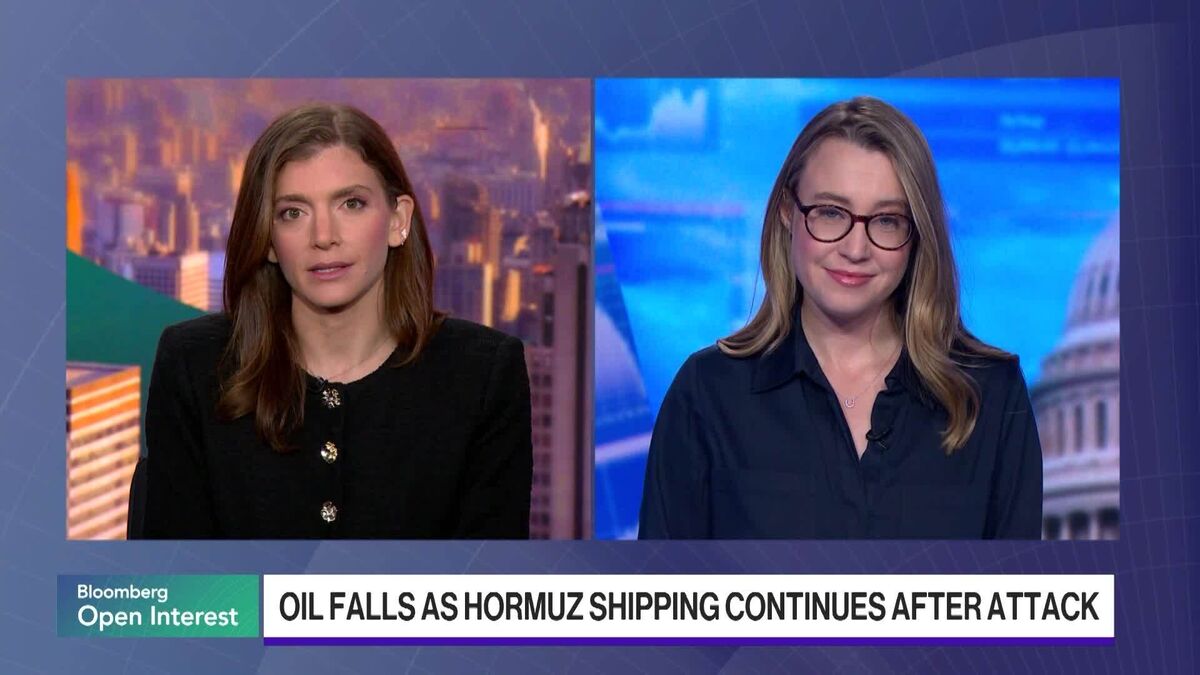
Oil resumed its decline and headed for the biggest weekly drop in a month after transits through the Strait of Hormuz accelerated following a cargo ship attack.
Oil resumed its decline and headed for the biggest weekly drop in a month after transits through the Strait of Hormuz accelerated following an attack on a cargo ship, according to Bloomberg Markets. The source context reports that despite the attack on a cargo vessel, shipping activity through the critical waterway increased, reducing immediate supply disruption concerns that might otherwise have supported oil prices.
Key takeaways
Oil resumed its decline and headed for the biggest weekly drop in a month, according to Bloomberg Markets.
Transits through the Strait of Hormuz accelerated following an attack on a cargo ship, the source context reports.
For commodity market readers, oil price moves can matter because they reflect supply risk perceptions, shipping disruption expectations, and broader energy market sentiment.
The available source context does not specify the exact price levels, the nature of the attack, or the affected vessel details.
Table of Contents
Market move
Key drivers
What comes next
Market move
Oil prices resumed their decline and headed for the biggest weekly drop in a month, according to Bloomberg Markets. The source context does not specify the exact price levels, the percentage decline, or the benchmark crude contracts involved. The weekly decline occurred despite an attack on a cargo ship in the Strait of Hormuz, a critical global oil transit route. The source context does not identify the vessel, the nature of the attack, or the parties involved.
For commodity market readers, weekly oil price moves can matter because they reflect how traders assess supply risk, geopolitical disruption expectations, and broader energy market sentiment. The available source context does not specify whether the decline was driven by demand concerns, inventory data, macroeconomic signals, or other factors beyond the Hormuz transit acceleration. Readers should treat the reported weekly decline as a confirmed market move with limited operational detail.
Key drivers
Transits through the Strait of Hormuz accelerated following the attack on a cargo ship, according to Bloomberg Markets. The source context does not specify the number of vessels, the types of cargo, or the duration of the acceleration. The Strait of Hormuz is a critical chokepoint for global oil shipments, and disruptions or perceived risks in the waterway can influence oil prices. The acceleration of transits suggests that shipping activity resumed or increased despite the attack, which may have reduced immediate supply disruption concerns.
For energy market readers, shipping activity through key transit routes can matter because it influences supply availability, freight costs, and risk premiums embedded in oil prices. The available source context does not specify whether the attack caused temporary delays, whether insurance costs increased, or whether alternative routes were considered. Without additional details, the event should be treated as a confirmed headline with limited operational impact detail. For readers following broader market updates , this development can help frame how geopolitical events interact with commodity price trends.
What comes next
Market readers may watch for future disclosures regarding the nature of the attack, the affected vessel, and any official statements from shipping authorities or regional governments. The source context does not specify whether the attack was isolated, whether it affected oil tankers specifically, or whether it triggered changes in shipping routes or security protocols. Additional details on Strait of Hormuz transit volumes, insurance costs, and regional security developments could provide useful context for assessing oil market supply risk.
For commodity market readers, oil price behavior in the coming sessions may reflect how traders weigh supply disruption risks against demand signals, inventory data, and macroeconomic developments. The available source context does not specify the outlook for oil prices, the expected duration of the weekly decline, or the levels that might attract renewed buying interest. Readers should monitor future energy market reports, shipping data, and geopolitical updates for additional clarity on how the Hormuz attack and transit acceleration influence oil market sentiment.
Read original source