market
Oil Market Complacent Over Hormuz Risk, Says Kpler
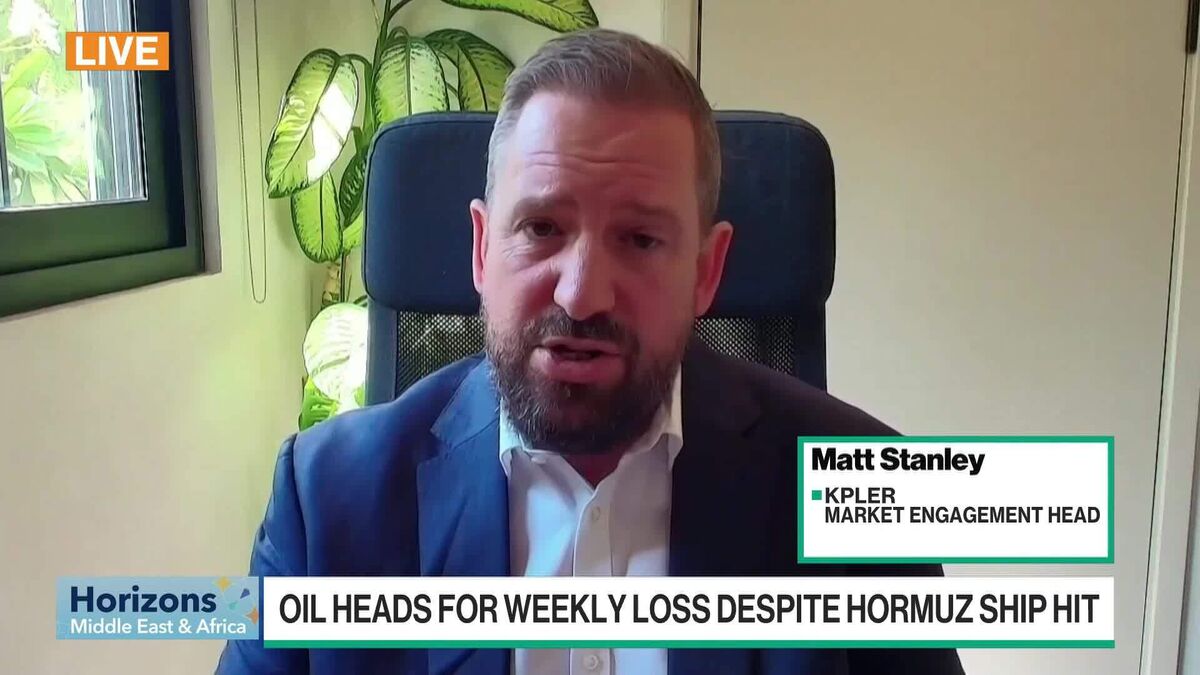
Oil market complacency over Strait of Hormuz risks draws attention after cargo ship attack, despite weekly price decline and accelerated transits.
Oil market participants may be underestimating risks tied to the Strait of Hormuz despite renewed concerns about safe passage through the critical waterway, according to Bloomberg Markets. Matt Stanley, Market Engagement Head at Kpler, discussed the market reaction to an attack on a cargo ship and the broader implications for oil transit through the strait, even as oil prices tracked toward a weekly decline with transits accelerating through the chokepoint.
Key Takeaways
Renewed concerns emerged about safe passage through the Strait of Hormuz following an attack on a cargo ship, according to Bloomberg Markets.
Oil prices were on track for a weekly decline despite the security incident, with transits through the strait accelerating.
Matt Stanley from Kpler suggested the oil market may be complacent about risks associated with the waterway's operation.
The Strait of Hormuz remains a critical chokepoint for global oil supply, and disruptions can influence energy market sentiment and pricing.
Table of Contents
Security Incident Raises Hormuz Transit Questions
Oil Price Decline Despite Waterway Concerns
Market Complacency and Risk Assessment
What Traders Should Watch Next
Security Incident Raises Hormuz Transit Questions
Bloomberg Markets reported that an attack on a cargo ship has raised fresh concerns about the safety of passage through the Strait of Hormuz. The source context does not specify the date, location, or nature of the attack, nor does it identify the vessel involved or the parties responsible. Matt Stanley, Market Engagement Head at Kpler, addressed the market reaction to the incident during an interview on Bloomberg's Horizons Middle East and Africa program.
The Strait of Hormuz is a narrow waterway between the Persian Gulf and the Gulf of Oman, serving as a critical transit route for global oil shipments. For energy market participants, security incidents in or near the strait can matter because they may influence shipping costs, insurance premiums, route planning, and broader supply chain risk assessments. The source context does not provide details on whether the attack led to vessel damage, cargo loss, route diversions, or changes in shipping schedules.
Readers should watch for future disclosures from shipping companies, insurers, or regional authorities that may clarify the operational impact of the incident.
Oil Price Decline Despite Waterway Concerns
According to Bloomberg Markets, oil was on track for a weekly decline even as concerns about the Strait of Hormuz resurfaced. The source context states that transits through the strait accelerated, but does not specify the volume of shipments, the number of vessels, the types of cargo, or the time period measured.
The source context does not provide oil price levels, percentage changes, benchmark names, or the specific week referenced. Without additional details, the relationship between accelerated transits and the weekly price decline remains unclear.
In general market context, oil prices can be influenced by a range of factors including supply expectations, demand forecasts, inventory levels, macroeconomic data, currency movements, and geopolitical developments. Accelerated transits through a chokepoint may suggest that supply disruptions have not materialized, which could weigh on prices if market participants had priced in a risk premium. However, the source context does not confirm whether the price decline was driven by transit data, broader supply dynamics, or other market factors.
For readers following broader market updates , this development can help frame the wider energy market context.
Market Complacency and Risk Assessment
Matt Stanley from Kpler suggested that the oil market may be complacent about risks associated with the Strait of Hormuz, according to Bloomberg Markets. The source context does not provide Stanley's full analysis, specific risk scenarios he identified, or the evidence he cited to support the complacency assessment.
The source context does not specify whether Stanley discussed insurance pricing, futures market positioning, volatility measures, or other indicators of market risk perception. Readers should treat the complacency observation as Stanley's view based on the available source context.
For energy traders and investors, risk assessment around critical chokepoints can matter because disruptions to transit routes may affect supply availability, delivery timelines, and regional price differentials. The Strait of Hormuz handles a significant portion of global oil shipments, and even temporary disruptions can influence market sentiment.
The source context does not identify whether Stanley recommended specific hedging strategies, portfolio adjustments, or monitoring priorities. Readers should watch for future commentary from Kpler, other market analysts, or official sources that may provide additional detail on transit risk and market positioning.
What Traders Should Watch Next
Energy market participants may monitor several developments in the coming days and weeks. Future disclosures from shipping companies, insurers, or regional authorities could clarify the operational impact of the cargo ship attack and whether additional security measures are being implemented.
Oil price movements, transit data, and volatility measures may provide insight into whether market participants are adjusting their risk assessments. The source context does not specify whether Kpler or other data providers plan to release updated transit volume reports, route analysis, or risk commentary.
Readers should also watch for any official statements from governments, maritime authorities, or international organizations regarding the security environment in and around the Strait of Hormuz. The source context does not identify whether the attack was an isolated incident or part of a broader pattern of security concerns.
Without additional details, traders should treat the event as a confirmed headline with limited operational detail and monitor future source updates for clarity on transit conditions, insurance costs, and supply chain adjustments.
Read original source