tech
Oil Price Drop Overdone Despite Strait of Hormuz Attacks, Says Invesco
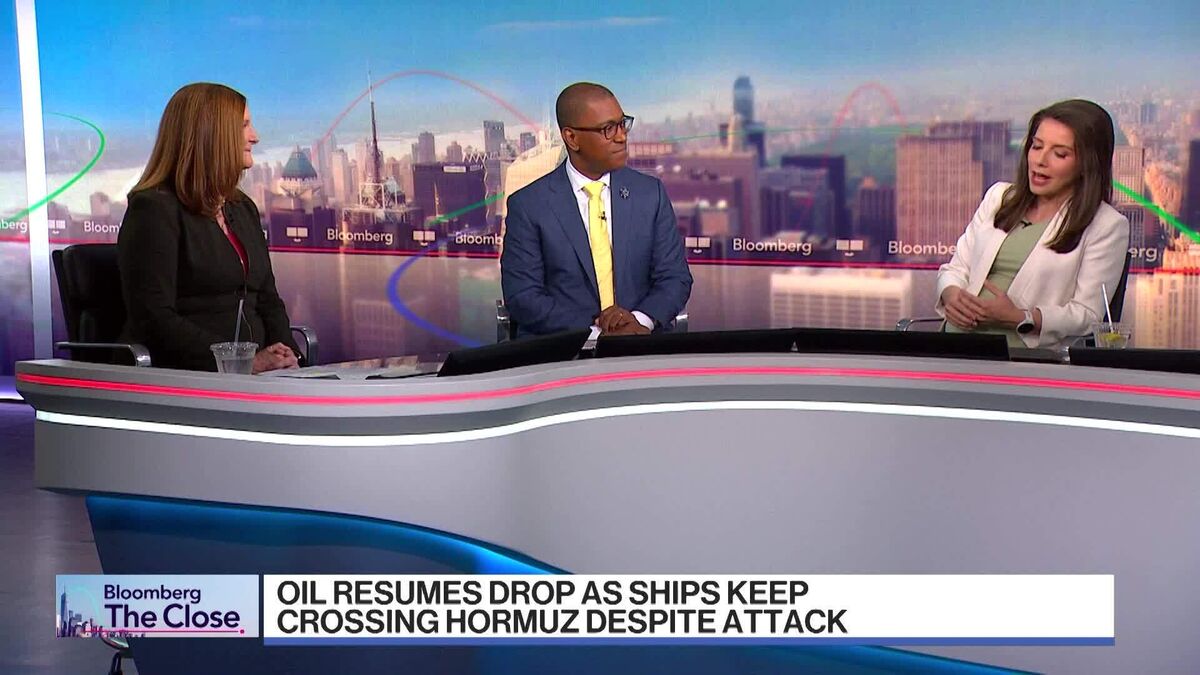
Invesco's Kathy Kriskey says the oil price freefall is overdone as ships continue crossing the Strait of Hormuz despite attacks, according to Bloomberg Markets.
Invesco's Alternative ETF Strategy Head Kathy Kriskey said the recent oil price freefall is overdone, even as ships continue to cross through the Strait of Hormuz despite attacks, according to Bloomberg Markets. Kriskey shared her view on June 26, 2026, during an interview on Bloomberg's "The Close" with Romaine Bostick and Katie Greifeld, framing the oil price drop as disconnected from ongoing shipping activity through the critical waterway.
Key takeaways
Invesco's Kathy Kriskey characterized the oil price freefall as overdone, according to Bloomberg Markets.
Ships continue to cross through the Strait of Hormuz despite attacks, the source confirmed.
The commentary highlights how market pricing can diverge from operational realities in energy infrastructure.
Investors may watch for additional details on shipping volumes, attack frequency, and oil market fundamentals in future reports.
Table of Contents
Market move
Key drivers
What comes next
Market move
Bloomberg Markets reported that Kathy Kriskey, who leads Invesco's Alternative ETF Strategy, described the recent oil price freefall as overdone. The source context does not specify the magnitude of the price decline, the starting price level, or the timeframe over which the drop occurred. Kriskey's commentary was delivered during a June 26, 2026, interview on Bloomberg's "The Close," a market-focused program hosted by Romaine Bostick and Katie Greifeld. The source context does not identify which oil benchmark Kriskey referenced, whether Brent crude, West Texas Intermediate, or another contract.
The source confirmed that ships continue to cross through the Strait of Hormuz despite attacks. The Strait of Hormuz is a critical chokepoint for global oil shipments, connecting the Persian Gulf to the Gulf of Oman and the Arabian Sea. The source context does not specify the nature of the attacks, the parties involved, the number of incidents, the types of vessels affected, or whether any ships were damaged or delayed. The source also does not identify whether the attacks targeted tankers, commercial vessels, or military assets, nor does it specify the dates or frequency of the attacks.
Key drivers
For investors, the relationship between geopolitical risk and oil pricing is a recurring market theme. When attacks occur near critical shipping routes, oil markets often price in supply disruption risk, even if physical flows remain uninterrupted. Kriskey's view suggests that the recent oil price decline may reflect an overreaction to perceived risk, rather than a material change in supply or demand fundamentals. The source context does not specify whether Kriskey cited specific data on shipping volumes, insurance costs, freight rates, or tanker utilization to support her view.
The Strait of Hormuz is one of the world's most strategically important waterways, with a significant share of global oil exports passing through the narrow channel. Disruptions or perceived threats to passage can influence oil futures, energy equity valuations, and broader commodity market sentiment. The source context does not identify whether Kriskey discussed alternative shipping routes, stockpile levels, OPEC production decisions, or demand trends in her interview. For readers following broader market updates , this development can help frame the wider news context around energy markets and geopolitical risk pricing.
What comes next
Market readers may watch for additional details on shipping activity through the Strait of Hormuz, including vessel counts, transit times, and any reported delays or diversions. Future reports may clarify the frequency and nature of the attacks mentioned in the source context, as well as any response from regional governments, international maritime organizations, or energy companies. The source context does not specify whether Invesco or Kriskey plan to publish further analysis, nor does it identify whether Invesco manages energy-focused ETFs or alternative investment products that could be affected by oil price moves.
Investors may also monitor oil futures pricing, inventory data, and production announcements from major oil-producing nations to assess whether the price decline reflects fundamental supply-demand shifts or short-term sentiment. The source context does not provide forward-looking commentary from Kriskey on price targets, support levels, or expected market direction. Without additional details, the event should be treated as a confirmed headline with limited operational detail, useful for framing ongoing energy market discussions but requiring future source updates for a complete picture of shipping risk and oil market fundamentals.
Read original source