market
Oil Prices Rise After Ship Struck in Strait of Hormuz
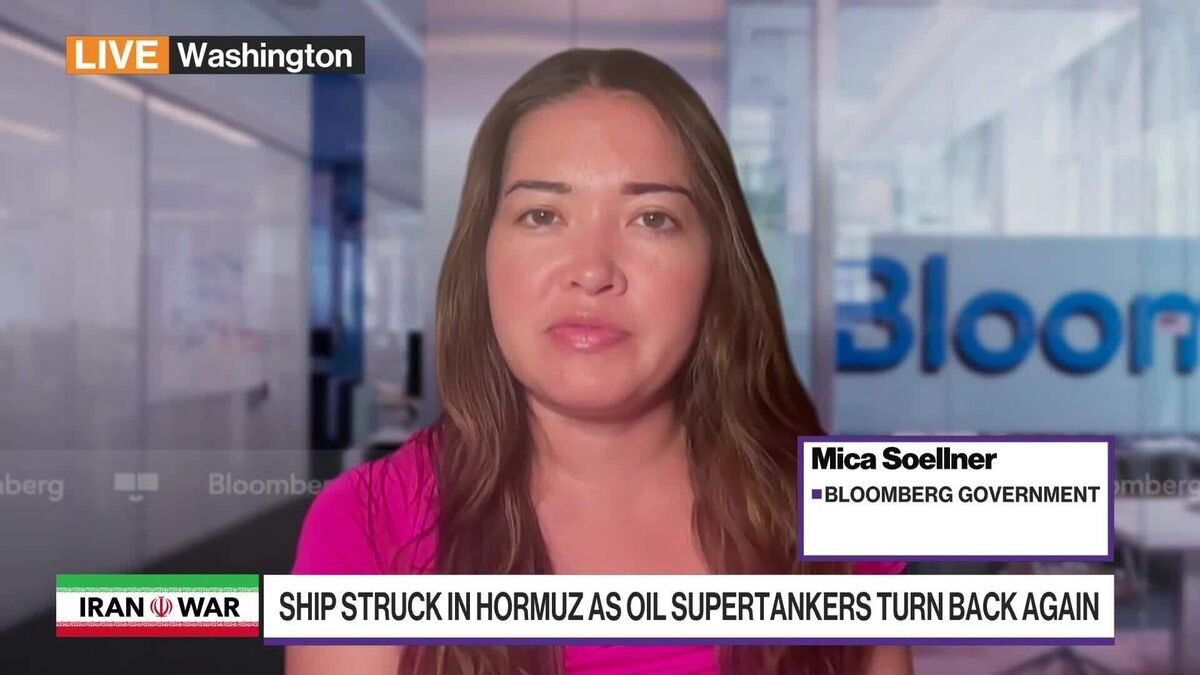
Oil prices turned higher after a ship was hit by an unknown projectile in the Strait of Hormuz, raising supply route concerns for energy markets.
Oil prices turned higher after a ship was hit by an unknown projectile in the Strait of Hormuz, sustaining damage to the bridge, according to Bloomberg Markets. The incident in one of the world's most critical energy chokepoints drew immediate attention from commodity traders monitoring supply route security and geopolitical risk.
Key takeaways
Oil prices rose after a ship was struck by an unknown projectile in the Strait of Hormuz, according to Bloomberg Markets
The vessel sustained damage to the bridge, though the source context does not specify the ship type, flag, cargo, or casualty details
The Strait of Hormuz is a critical global energy transit route, and incidents in the waterway can influence oil market sentiment
Market readers may watch for additional details on the incident, any official statements, and further price behavior in energy markets
Table of Contents
Market move
Why the Strait of Hormuz matters
What remains unclear
What to watch next
Market move
Oil prices reversed earlier losses and moved higher following reports that a ship was struck by an unknown projectile in the Strait of Hormuz, according to Bloomberg Markets. The vessel sustained damage to the bridge, though the source context does not identify the ship type, operator, flag, cargo, or whether any crew members were injured. The source context also does not specify the exact time of the incident, the projectile origin, or whether any party has claimed responsibility.
Energy markets often react quickly to incidents in strategic shipping lanes, particularly when the event involves physical damage to vessels. The source context does not provide oil price levels before or after the incident, nor does it identify which crude oil benchmarks moved or by how much. For readers following broader market updates , this development can help frame how geopolitical events in key transit zones influence commodity sentiment.
Why the Strait of Hormuz matters
The Strait of Hormuz is one of the world's most important energy chokepoints, serving as a narrow waterway through which a significant portion of global seaborne oil and liquefied natural gas passes. Any disruption, threat, or incident in the strait can raise concerns about supply route security, even when the immediate impact on physical flows is limited. Traders and analysts monitor the waterway closely because prolonged closures or escalations could affect global energy supply chains.
While the source context confirms that a ship was struck and sustained damage, it does not specify whether the incident affected oil tanker traffic, caused any delays, or prompted changes in shipping routes or insurance costs. In general market context, incidents involving projectiles or attacks in the strait have historically led to temporary risk premiums in oil prices, though the duration and magnitude of such moves depend on the severity of the event, the response from regional actors, and the broader geopolitical environment.
What remains unclear
The available source context does not specify the ship type, flag, operator, cargo, or destination. It does not identify the projectile type, origin, or whether any investigation has been launched. The source context also does not provide details on crew safety, the extent of the damage beyond the bridge, or whether the vessel was able to continue its voyage. No official statements from regional authorities, maritime agencies, or military forces are included in the source context.
The source context does not specify oil price levels before or after the incident, nor does it identify which crude oil benchmarks moved, by how much, or for how long. It also does not indicate whether other commodity markets, shipping stocks, or regional equity markets reacted to the news. Without these details, the event should be treated as a confirmed headline with limited operational and market detail.
What to watch next
Market readers may watch for additional details on the ship, the projectile, and any official statements from regional governments, maritime authorities, or international organizations. Further updates on crew safety, vessel status, and whether the incident prompts changes in shipping routes or security measures could provide useful context. Readers may also monitor oil price behavior in the hours and days following the incident to assess whether the initial move was sustained or reversed.
In general market context, traders often track whether isolated incidents in the Strait of Hormuz lead to broader escalation, additional security measures, or changes in regional tensions. Future disclosures on the incident's cause, any response from regional actors, and whether similar events occur could influence how energy markets assess supply route risk. Readers should watch for updates from Bloomberg Markets and other reliable sources as more information becomes available.
Read original source