market
OpenAI IPO Delay Concerns Weigh on SoftBank and Tech Stocks
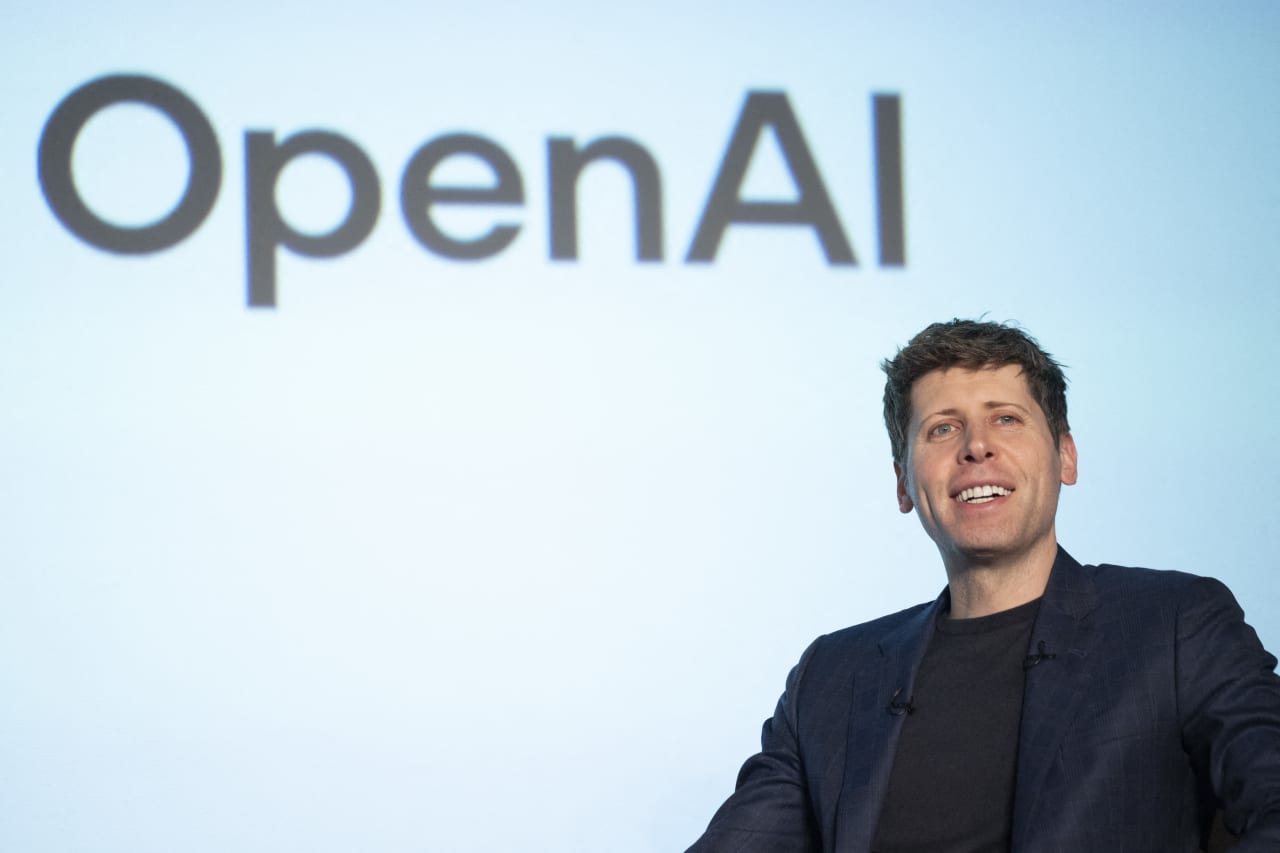
SoftBank shares slumped after reports suggested OpenAI may delay its IPO until next year, adding pressure to the broader tech selloff.
SoftBank shares declined on June 26, 2026, following a report that OpenAI may delay its initial public offering until next year, according to MarketWatch. The OpenAI IPO delay concern added to broader technology sector selling pressure as investors reassessed liquidity timelines and exit opportunities for private artificial intelligence investments.
Key takeaways
SoftBank shares slumped on June 26, 2026, after reports suggested OpenAI may delay its IPO until next year
The OpenAI IPO delay concern contributed to the broader technology sector selloff
IPO timing uncertainty can influence investor sentiment toward companies with large private AI holdings
Market readers may watch for official OpenAI disclosures, SoftBank investor updates, and broader tech sector liquidity trends
Table of Contents
Market move
Why IPO timing matters for tech investors
What remains unclear
What to watch next
Market move
MarketWatch reported that SoftBank shares slumped on June 26, 2026, following a report that OpenAI may delay its initial public offering until next year. The source context does not specify the magnitude of the share price decline, the intraday trading range, or the volume of shares traded. The report also noted that the OpenAI IPO delay concern emerged during a broader technology sector selloff, though the source context does not identify the specific indices, sectors, or individual stocks affected beyond SoftBank.
The available source context does not specify which publication or analyst first reported the potential OpenAI IPO delay, the reasons cited for the delay, or whether OpenAI or its management have commented publicly on the timeline. The source context also does not identify SoftBank's current ownership stake in OpenAI, the book value of that holding, or how the investment is reflected in SoftBank's financial statements.
Why IPO timing matters for tech investors
For investors, initial public offering timelines can matter because they influence liquidity, valuation transparency, and exit opportunities for private-market stakeholders. When a high-profile private company delays its IPO, investors holding shares in that company or in funds with exposure to that company may face extended holding periods, reduced near-term liquidity, and uncertainty about the eventual public market valuation. SoftBank, through its Vision Fund and other investment vehicles, has historically held significant stakes in technology and artificial intelligence companies, making IPO timing a material factor for portfolio valuation and investor sentiment.
IPO delays can also influence broader market sentiment toward the technology sector, particularly when the delayed offering involves a company with high visibility and substantial private-market valuation. Investors may interpret delays as a signal of unfavorable market conditions, regulatory complexity, or internal readiness concerns, though the source context does not specify the reasons for the reported OpenAI delay. For readers following broader market updates , this development can help frame the wider context of technology sector liquidity and investor risk appetite.
What remains unclear
The available source context does not specify the original IPO timeline for OpenAI, the new expected timeline, or the factors driving the reported delay. The source context does not identify whether the delay is related to market conditions, regulatory review, internal financial preparation, or strategic considerations. The source context also does not specify SoftBank's current ownership percentage in OpenAI, the carrying value of that investment, or how a delay might affect SoftBank's reported earnings, net asset value, or investor guidance.
The source context does not provide details on the broader technology selloff mentioned in the report, including which indices declined, the magnitude of the decline, or whether other technology stocks with private AI exposure experienced similar selling pressure. The source context does not identify whether other SoftBank portfolio companies or other Vision Fund holdings were affected by the same market sentiment.
What to watch next
Market readers may watch for official disclosures from OpenAI regarding its IPO timeline, regulatory filings, or public statements from company leadership. SoftBank investor updates, quarterly earnings reports, and Vision Fund performance disclosures may provide additional context on the carrying value of the OpenAI investment and management's outlook on liquidity events. Broader technology sector performance, particularly among artificial intelligence companies and other high-profile private-market technology firms, may offer additional signals about investor risk appetite and IPO market conditions.
Readers may also monitor regulatory developments that could influence IPO timelines, including securities law changes, disclosure requirements, and market volatility thresholds that companies and underwriters consider when planning public offerings. Any future updates from financial news sources, analyst reports, or company filings may clarify the reasons for the reported delay and the expected path forward for OpenAI's public market debut.
Read original source