market
OpenAI May Delay IPO Until 2027, New York Times Reports
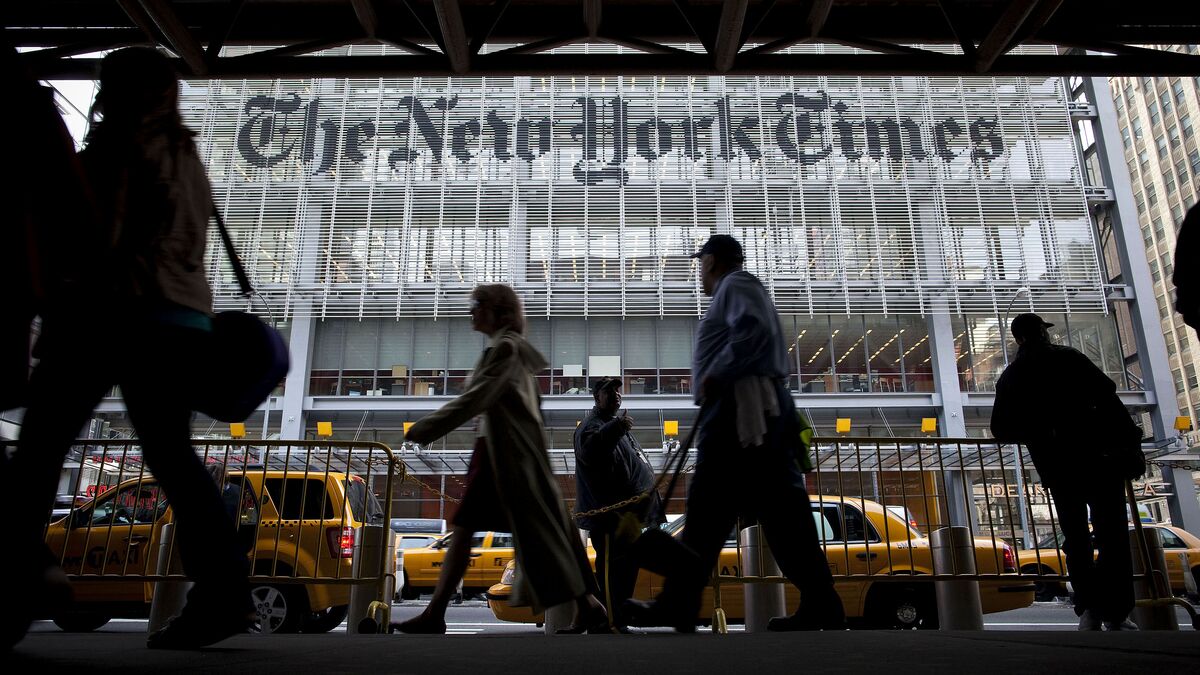
OpenAI is leaning toward delaying its IPO until 2027, according to New York Times sources, as the AI company weighs timing and market conditions.
OpenAI is leaning toward holding off on an initial public offering until 2027, the New York Times reported, citing three people involved in the company's deliberations, according to Bloomberg Markets. The OpenAI IPO delay would push back one of the most anticipated technology market events as investors watch the artificial intelligence company's strategic timeline and capital structure decisions.
Key takeaways
OpenAI is leaning toward delaying its IPO until 2027, according to three people cited by the New York Times and reported by Bloomberg Markets.
The source context does not specify the reasons for the timing preference or the company's current valuation expectations.
For investors, IPO timing decisions can matter because they influence capital access, valuation benchmarks, and market positioning.
Market readers may watch for future company disclosures, regulatory filings, or additional reporting on OpenAI's capital strategy and business model evolution.
Table of Contents
What happened
Why it matters
What to watch next
What happened
OpenAI is leaning toward waiting until 2027 to pursue an initial public offering, the New York Times reported, citing three people involved in the company's deliberations. Bloomberg Markets attributed the report to the New York Times on June 25, 2026. The source context does not specify the reasons for the timing preference, the company's current valuation, or whether the decision is final. The available information confirms only that the company is leaning toward a 2027 timeline based on internal deliberations.
The source context does not identify whether OpenAI has engaged underwriters, filed preliminary regulatory documents, or disclosed specific financial metrics that would typically precede an IPO. The report does not specify whether the timing preference reflects market conditions, business model considerations, regulatory factors, or internal strategic priorities. Without additional details, the event should be treated as a confirmed headline with limited operational detail.
Why it matters
For investors, IPO timing decisions can matter because they influence capital access, valuation benchmarks, and market positioning. Companies often weigh public market conditions, revenue growth, profitability, competitive dynamics, and regulatory readiness when deciding whether to pursue an IPO or remain private. OpenAI operates in the artificial intelligence sector, which has attracted significant investor attention and capital deployment in recent years. The company's IPO timing could influence how investors evaluate AI business models, revenue sustainability, and long-term competitive positioning.
In general market context, high-profile technology IPOs can serve as valuation benchmarks for private companies, venture capital portfolios, and public market comparables. Delaying an IPO may allow a company to build additional revenue scale, improve profitability, or wait for more favorable market conditions. However, the source context does not specify OpenAI's current financial performance, capital needs, or strategic rationale for the timing preference. For readers following broader market updates , this development can help frame the wider news context around technology company capital structure decisions and IPO market activity.
What to watch next
Market readers may watch for future company disclosures, regulatory filings, or additional reporting on OpenAI's capital strategy and business model evolution. If the company files a registration statement with the U.S. Securities and Exchange Commission, that filing would provide detailed financial metrics, risk factors, and business model disclosures. Investors may also monitor public statements from company leadership, venture capital investors, or underwriters regarding IPO timing and market conditions.
In addition, readers may watch for updates on OpenAI's revenue growth, product adoption, competitive positioning, and regulatory environment. The artificial intelligence sector faces ongoing policy discussions around safety, transparency, and competition, which could influence the timing and structure of a public offering. Without additional details from the company, the timing preference should be treated as a preliminary indication rather than a confirmed decision. Future source updates may clarify the strategic rationale, financial readiness, and market conditions influencing the company's IPO timeline.
Read original source