general
Pakistan Seeks Diplomatic Boost With Key Role in US-Iran Talks
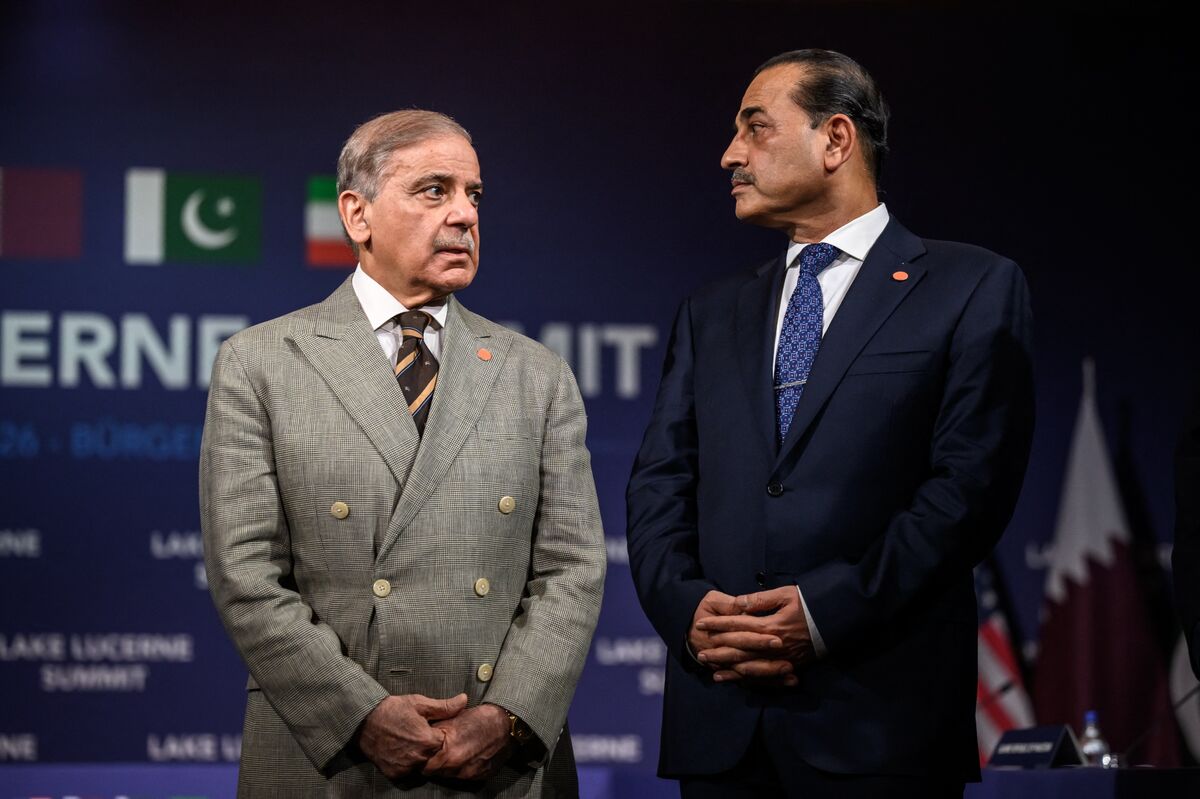
Pakistan positions itself as a diplomatic mediator as US-Iran peace talks commence, with Vice President JD Vance praising Pakistani leadership.
Pakistan has emerged as a key diplomatic player in the latest round of peace negotiations between the United States and Iran, receiving public recognition from senior American officials. US Vice President JD Vance offered strong commendations to Pakistan's prime minister and army chief on Sunday as the long-awaited talks between Washington and Tehran officially began, signaling a potential shift in regional dynamics and Pakistan's international standing.
The development marks a significant diplomatic opportunity for Islamabad, which has historically maintained complex relationships with both Washington and Tehran. By facilitating dialogue between two nations with a fraught history, Pakistan appears to be leveraging its unique geopolitical position to enhance its profile on the world stage.
Table of Contents
- Pakistan's Diplomatic Positioning
- US Recognition of Pakistani Leadership
- Regional Implications and Market Context
- Conclusion
Pakistan's Diplomatic Positioning
Pakistan's role in hosting or facilitating the US-Iran peace talks represents a strategic diplomatic maneuver for the South Asian nation. The country shares borders with Iran and has maintained working relationships with both Tehran and Washington despite periodic tensions with each. This positioning allows Pakistan to serve as a potential bridge between the United States and Iran, two nations that have experienced decades of strained relations marked by sanctions, proxy conflicts, and nuclear program disputes.
The commencement of these peace talks on Sunday suggests that behind-the-scenes diplomatic efforts have been underway for some time. Pakistan's involvement in such high-stakes negotiations could provide Islamabad with increased leverage in its own regional concerns, including economic assistance, security cooperation, and international investment. For a country that has faced economic challenges in recent years, including currency pressures and debt sustainability issues, a successful mediation role could translate into tangible diplomatic and potentially economic benefits.
US Recognition of Pakistani Leadership
Vice President JD Vance's public praise of Pakistan's prime minister and army chief carries significant weight in diplomatic circles. Such high-level recognition from the United States administration indicates that Pakistani leadership has played an active and valued role in bringing the parties to the negotiating table. The specific mention of both civilian and military leadership reflects the dual power structure that characterizes Pakistani governance, where the army chief traditionally wields considerable influence over foreign and security policy.
This acknowledgment from the US Vice President may signal a warming of US-Pakistan relations, which have experienced fluctuations over the past two decades. The praise could also serve as an incentive for Pakistan to continue its constructive role in the talks and potentially in other regional diplomatic initiatives. For investors and market participants, improved US-Pakistan relations could have implications for Pakistan's access to international financial markets, foreign direct investment flows, and potential easing of any informal barriers to economic cooperation.
Regional Implications and Market Context
The initiation of US-Iran peace talks with Pakistan's involvement has broader implications for regional stability in South Asia and the Middle East. Reduced tensions between Washington and Tehran could affect energy markets, particularly oil and natural gas prices, given Iran's significant hydrocarbon reserves and the impact of sanctions on global supply. Any progress toward normalization could eventually lead to increased Iranian oil exports, though such developments would likely unfold over an extended timeline pending the outcome of negotiations.
For Pakistan specifically, successful mediation could enhance the country's attractiveness to international investors who have been cautious due to geopolitical risks and economic volatility. The country's stock market, currency, and sovereign debt instruments could see positive sentiment if the diplomatic role translates into concrete economic benefits or improved relationships with major powers. However, traders should note that diplomatic developments often take considerable time to materialize into measurable economic outcomes.
Regional stability improvements could also benefit Pakistan's economic corridors and trade relationships, particularly if reduced tensions facilitate smoother energy transit arrangements or economic cooperation frameworks. The country's strategic location between South Asia, Central Asia, and the Middle East positions it as a potential beneficiary of improved regional relations, though execution risks and political complexities remain significant factors.
Conclusion
Pakistan's prominent role in facilitating US-Iran peace talks, coupled with public recognition from Vice President JD Vance, represents a notable diplomatic development with potential long-term implications for regional stability and Pakistan's international standing. While the immediate market impact may be limited, successful mediation could enhance Pakistan's geopolitical capital and create opportunities for improved economic relationships. Investors and market participants should monitor the progress of these negotiations, as outcomes could influence regional risk assessments, energy market dynamics, and Pakistan's economic trajectory. The praise from senior US leadership suggests that Pakistan's diplomatic efforts are being taken seriously in Washington, though translating diplomatic success into sustainable economic benefits will require sustained engagement and policy execution.
Read original source