markets
Palm Oil Dips on Weaker Crude and Malaysian Production Outlook
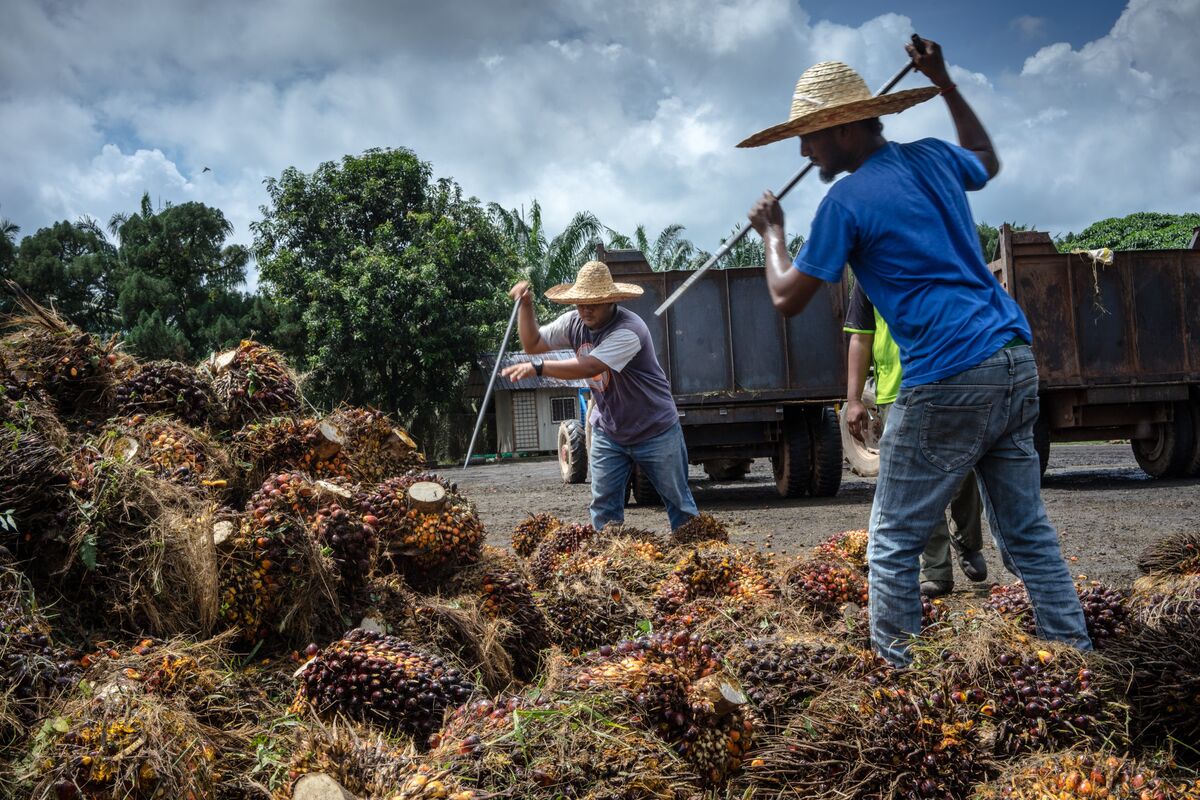
Palm oil edged lower on declining crude prices and expectations for strong output from Malaysia, the second-biggest grower, according to Bloomberg Markets.
Palm oil prices edged lower on July 2, 2026, weighed down by declining crude oil prices and expectations for strong output from Malaysia, the world's second-biggest grower, according to Bloomberg Markets. The price move reflects the interplay between energy market dynamics and agricultural supply forecasts, two key drivers that often influence vegetable oil markets. For commodity traders and agricultural market readers, the development highlights how crude oil trends and regional production outlooks can shape near-term price behavior in soft commodities.
Key takeaways
Palm oil prices declined on July 2, 2026, according to Bloomberg Markets.
Weaker crude oil prices contributed to the downward pressure on palm oil.
Expectations for strong production output from Malaysia, the second-biggest grower, also weighed on prices.
Commodity readers may watch future crude oil trends, Malaysian production data, and broader vegetable oil market updates.
Table of Contents
Market Move
Key Drivers
What Comes Next
Market Move
Palm oil prices edged lower on July 2, 2026, according to Bloomberg Markets. The source confirmed that the price decline was influenced by two primary factors: declining crude oil prices and expectations for strong production output from Malaysia. Malaysia is the second-largest palm oil producer globally, and production forecasts from the country often carry significant weight in global vegetable oil markets. The source did not provide specific price levels, percentage declines, or trading volume data, so readers should treat the move as a confirmed directional shift without detailed quantitative context.
For readers following broader market updates , palm oil is a widely traded agricultural commodity used in food products, biofuels, and industrial applications. Price movements in palm oil can matter for food manufacturers, biofuel producers, and commodity traders who monitor vegetable oil supply and demand dynamics. The interplay between energy markets and agricultural commodities is a recurring theme in soft commodity analysis, as crude oil prices can influence production costs, transportation expenses, and biofuel demand for vegetable oils.
Key Drivers
The source identified two key drivers behind the price decline: weaker crude oil prices and expectations for strong Malaysian production. Crude oil prices often influence palm oil markets because vegetable oils, including palm oil, are used as feedstocks for biodiesel production. When crude oil prices decline, the economic incentive to blend vegetable oils into biofuels can weaken, reducing demand for palm oil and putting downward pressure on prices. The source did not provide specific crude oil price levels, percentage changes, or details about which crude oil benchmarks were referenced, so readers should interpret the crude oil factor as a general directional influence rather than a precise causal link.
The second driver was expectations for strong production output from Malaysia. Malaysia is the world's second-largest palm oil producer after Indonesia, and production forecasts from Malaysia are closely watched by commodity markets. Strong production outlooks can signal increased supply, which may weigh on prices if demand does not rise proportionally. The source did not provide specific production volume estimates, harvest timelines, or comparisons to prior periods, so readers should treat the Malaysian production outlook as a confirmed market expectation without detailed quantitative support. Commodity readers often monitor monthly production reports from the Malaysian Palm Oil Board and other official sources to assess supply trends.
What Comes Next
Market readers may watch several follow-up items to assess the near-term outlook for palm oil prices. Future crude oil price trends will remain relevant, as sustained weakness in energy markets could continue to weigh on biofuel demand for vegetable oils. Conversely, a rebound in crude oil prices could provide support for palm oil if biofuel blending economics improve. Readers may also monitor official production data from Malaysia, including monthly reports from the Malaysian Palm Oil Board, which provide detailed harvest volumes, export figures, and inventory levels. These reports can help clarify whether the strong production expectations cited in the source context materialize in actual output.
Additional factors to watch include weather conditions in key growing regions, as rainfall, temperature, and seasonal patterns can influence palm oil yields. Export demand from major importing countries, including India and China, will also matter, as shifts in vegetable oil import policies or domestic production can affect global palm oil trade flows. Finally, broader vegetable oil market dynamics, including soybean oil and rapeseed oil prices, may provide useful context, as these oils often compete with palm oil in food and industrial applications. Readers should watch for future disclosures from commodity data providers, official production agencies, and energy market sources to assess how the factors cited in the source context evolve.
Read original source