tech-ai
PBOC Withholds Rate on Debut Overnight Repo Operation
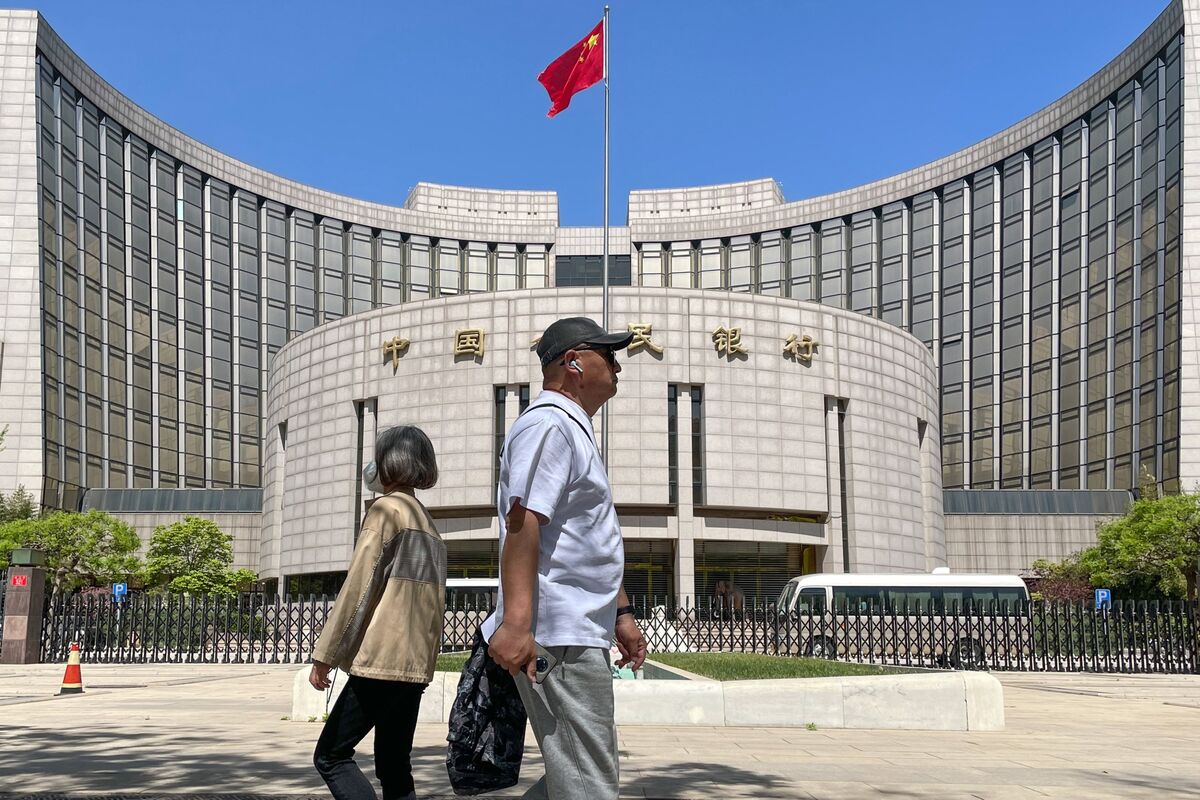
China's central bank launched its first overnight reverse repo operation without disclosing the interest rate, surprising traders awaiting borrowing cost guidance.
China's central bank held its debut overnight reverse repo operation without disclosing the rate of interest it charged on its new instrument, according to Bloomberg Markets. The surprise move left traders awaiting guidance on borrowing costs without the expected rate signal, marking an unusual start for the People's Bank of China's new monetary policy tool.
Key takeaways
The People's Bank of China conducted its first overnight reverse repo operation without releasing the interest rate charged on the new instrument.
Traders had expected the central bank to provide rate guidance on borrowing costs as part of the debut operation.
The decision to withhold the rate represents a departure from typical central bank communication practices when introducing new policy tools.
Market participants may watch for future PBOC disclosures on the overnight operation rate and any explanation for the initial non-disclosure.
Table of Contents
What happened
Why it matters
What to watch next
What happened
The People's Bank of China launched its first overnight reverse repo operation without publishing the interest rate it charged on the new monetary policy instrument, Bloomberg Markets reported. The central bank conducted the operation as scheduled, but the absence of rate disclosure surprised traders who had anticipated clear guidance on borrowing costs. The overnight reverse repo operation represents a new tool in the PBOC's monetary policy toolkit, designed to manage short-term liquidity in China's financial system.
The source confirms the operation took place and that the rate was not released, but does not provide details on the operation's size, participating institutions, or the central bank's stated rationale for withholding the rate. The debut of the overnight instrument had been expected to offer market participants a new reference point for short-term funding costs, making the rate non-disclosure a notable departure from standard central bank communication practices when introducing policy tools.
Why it matters
Central bank transparency on policy tool rates typically helps financial markets price short-term funding, manage liquidity expectations, and interpret monetary policy signals. When a central bank introduces a new instrument, market participants generally expect clear communication on the rate, terms, and operational framework to reduce uncertainty and support orderly market functioning. The PBOC's decision to withhold the overnight reverse repo rate leaves traders without a key data point for assessing the central bank's short-term liquidity stance and borrowing cost guidance.
For readers following broader market updates , central bank policy tool introductions can influence money market rates, banking sector liquidity, and investor expectations for monetary policy direction. In general market context, overnight reverse repo operations are used by central banks to inject short-term liquidity into the banking system, with the rate charged serving as a floor or reference point for interbank borrowing costs. The absence of rate disclosure may prompt market participants to monitor future PBOC operations, official statements, and any subsequent clarification on the central bank's communication approach for the new instrument.
What to watch next
Market participants may watch for future PBOC disclosures on the overnight reverse repo operation rate, including whether the central bank will publish the rate in subsequent operations or provide an explanation for the initial non-disclosure. Traders may also monitor official PBOC statements, press briefings, or policy announcements that could clarify the operational framework, rate-setting methodology, and communication strategy for the new instrument. Any guidance on the frequency, size, and terms of future overnight operations would help market participants assess the tool's role in the central bank's broader liquidity management approach.
Readers should also watch for market commentary on how the rate non-disclosure affects short-term funding conditions, money market pricing, and trader expectations for PBOC policy signals. Future company disclosures, banking sector reports, and financial market data may provide additional context on how the overnight reverse repo operation influences liquidity dynamics in China's financial system. Without additional details, the event should be treated as a confirmed headline with limited operational detail, pending further central bank communication.
Read original source