market
Pemex and Petrobras Partner on Oil and Refining Projects
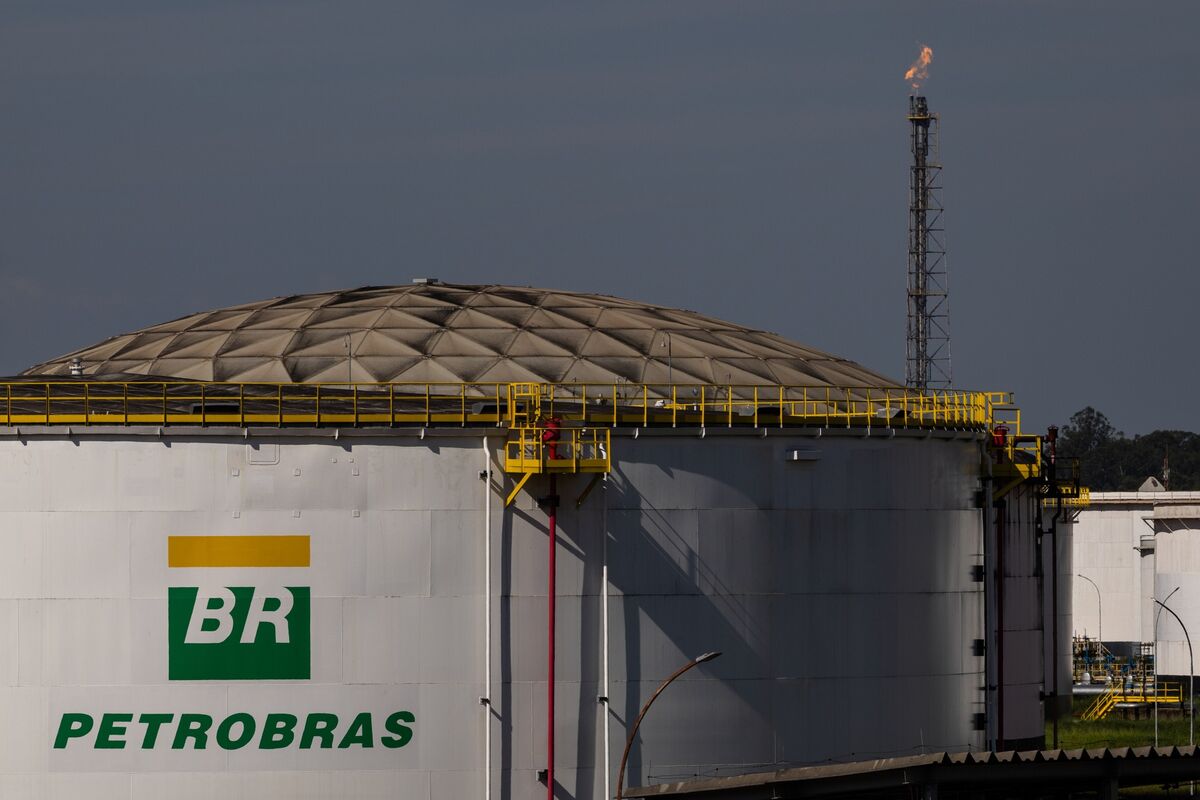
Pemex and Petrobras agreed to collaborate on oil discovery, production, and refining as both national oil companies seek to expand reserves.
According to Bloomberg Markets, Pemex and Petrobras have agreed to work together on oil discovery, production, and refining projects as both national oil companies push to expand their reserves. The Pemex and Petrobras partnership brings together Mexico's and Brazil's state-owned energy giants in a collaboration spanning upstream exploration and downstream refining operations. The agreement was announced on June 23, 2026, marking a significant development in Latin American energy cooperation.
Key takeaways
Pemex and Petrobras agreed to collaborate on oil discovery, production, and refining projects
Both national oil companies are pushing to expand their reserves through this partnership
The collaboration involves Mexico's and Brazil's state-owned energy giants
National oil company partnerships can provide scale advantages in exploration, production sharing, and technology transfer, though specific terms of this agreement were not disclosed
Table of Contents
What happened
Why it matters
What to watch next
What happened
The national oil companies of Mexico and Brazil reached an agreement to collaborate across multiple segments of the oil value chain. According to Bloomberg Markets, the partnership will focus on discovering, producing, and refining oil. Both Pemex, Mexico's state-owned petroleum company, and Petrobras, Brazil's national oil company, are pursuing strategies to expand their reserves through this collaborative framework.
The announcement on June 23, 2026, did not specify the financial terms, geographic scope, or timeline for joint projects. The agreement represents a formal commitment between two of Latin America's largest energy producers to pool resources and expertise across upstream exploration and production activities as well as downstream refining operations. Neither company disclosed which specific oil fields, basins, or refining facilities would be involved in the initial phase of cooperation.
Why it matters
National oil company partnerships have historically played an important role in the global energy landscape, particularly when state-owned enterprises seek to share technical expertise, reduce capital risk, and access new geological provinces. When two major producers collaborate on exploration and production, they can potentially spread the high costs and technical risks associated with discovering and developing new oil reserves. Refining partnerships can similarly allow companies to optimize processing capacity, share infrastructure costs, and improve product yields through technology exchange.
For readers tracking Latin American energy markets, this partnership signals continued interest by state-owned oil companies in maintaining and expanding hydrocarbon production despite global energy transition pressures. Both Pemex and Petrobras operate in complex regulatory and financial environments. Pemex has faced significant debt challenges and production declines in recent years, while Petrobras has worked to balance production growth with fiscal discipline. Collaborative agreements between national oil companies can provide strategic flexibility, allowing each partner to leverage the other's strengths in geology, engineering, or market access. However, the success of such partnerships depends on clear governance structures, aligned incentives, and effective project execution—details not yet publicly available for this agreement.
What to watch next
Investors and energy market observers should monitor for additional disclosures regarding the specific projects, investment commitments, and operational timelines associated with the Pemex and Petrobras partnership. Key details to watch include which exploration blocks or producing fields will be subject to joint operations, the ownership and cost-sharing structure, and whether the collaboration will extend to liquefied natural gas, petrochemicals, or other energy segments beyond crude oil and refining. Regulatory approvals in both Mexico and Brazil may also be required depending on the nature and scale of the projects.
The partnership's impact on reserve replacement ratios, production volumes, and refining throughput will become clearer as the companies announce concrete projects and milestones. Observers should also track whether this agreement leads to broader regional energy cooperation involving other Latin American producers or international oil companies. For Pemex, any partnership that helps stabilize or grow production could have implications for Mexico's energy security and fiscal position, given the company's importance to government revenues. For Petrobras, collaboration with regional peers may complement its existing portfolio and provide additional optionality in capital allocation. Further announcements from both companies will be necessary to assess the strategic and financial significance of this agreement.
Read original source