market
Pimco: China's Export Glut Boosts Emerging-Market Bond Outlook
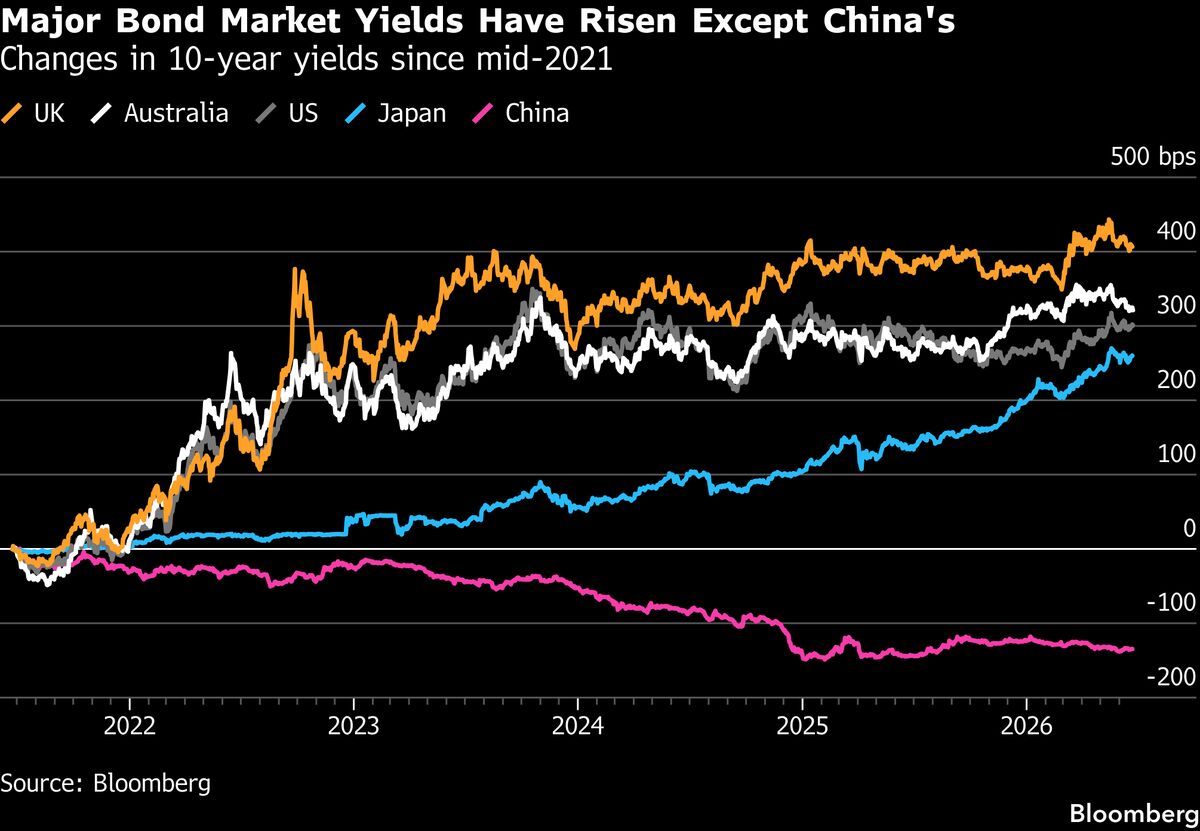
Pacific Investment Management Co. says China's flood of cheap exports is helping control inflation across developing nations, creating favorable conditions for emerging-market bonds.
Pacific Investment Management Co. has identified China's flood of cheap exports as a positive factor for emerging-market bonds, according to Bloomberg Markets. The asset manager argues that the surge in low-cost Chinese goods is helping to keep inflation under control across the developing world, creating a more favorable environment for fixed-income investors in these markets. This view comes as global investors continue to assess the impact of China's manufacturing capacity and export strategy on international markets.
Key Takeaways
Pimco sees China's export surge as supportive for emerging-market bonds by controlling inflation in developing economies
Lower inflation in emerging markets can allow central banks to maintain or ease monetary policy, supporting bond valuations
China's manufacturing overcapacity has created a wave of competitively priced goods flowing into global markets
General context: Emerging-market bonds are sensitive to inflation trends, currency stability, and central bank policy direction
Table of Contents
What Happened
Why It Matters
What to Watch Next
What Happened
Pacific Investment Management Co. has stated that China's current wave of cheap exports is creating favorable conditions for emerging-market bonds. According to the firm, the influx of low-cost Chinese manufactured goods into developing economies is helping to suppress inflationary pressures across these markets. This dynamic is occurring as China continues to export significant volumes of goods at competitive price points, a phenomenon often described as an export glut resulting from domestic manufacturing overcapacity.
The assessment from Pimco, one of the world's largest fixed-income asset managers, highlights a specific transmission mechanism through which Chinese trade policy and manufacturing capacity affect investment opportunities in developing-nation debt instruments. The firm's view was reported by Bloomberg Markets on June 24, 2026, providing insight into how major institutional investors are evaluating the interplay between Chinese exports and emerging-market fixed-income securities.
Why It Matters
Emerging-market bonds are highly sensitive to inflation dynamics because rising prices can erode real returns and prompt central banks to tighten monetary policy through interest rate increases. When inflation remains subdued, central banks in developing economies have greater flexibility to maintain accommodative policy or even cut rates, which typically supports bond prices and reduces yields. China's export of competitively priced goods effectively acts as a disinflationary force in recipient markets, potentially extending the duration of favorable monetary conditions for bondholders.
This perspective from a major asset manager like Pimco carries weight in financial markets because institutional investors manage trillions in fixed-income assets and their positioning can influence capital flows to emerging economies. The firm's analysis suggests that what some observers view as problematic overcapacity in China may actually create investment opportunities in developing-market debt. However, this dynamic also reflects broader structural questions about global trade imbalances, manufacturing capacity distribution, and the sustainability of export-led growth strategies. Investors in emerging-market bonds must weigh these disinflationary benefits against other risks including currency volatility, political instability, and the potential for trade policy responses from importing nations.
What to Watch Next
Investors should monitor inflation data releases from major emerging economies to assess whether the disinflationary trend attributed to Chinese exports continues or reverses. Key indicators include consumer price indices, producer price indices, and core inflation measures across developing nations that are significant importers of Chinese manufactured goods. Additionally, central bank policy statements and interest rate decisions in emerging markets will signal whether monetary authorities are indeed maintaining accommodative stances in response to subdued inflation, which would validate Pimco's thesis about supportive conditions for bonds.
Trade policy developments will also be critical to watch, particularly any protectionist measures or tariffs that importing nations might implement to counter the influx of cheap Chinese goods. Such policy responses could alter the disinflationary dynamic and change the outlook for emerging-market bonds. Furthermore, monitoring China's own economic indicators—including manufacturing output, export volumes, and domestic demand trends—will help investors understand whether the export surge is likely to continue or moderate. Bond yield movements, currency fluctuations, and capital flow data for emerging markets will provide real-time feedback on whether institutional investors are acting on views similar to Pimco's assessment.
Read original source