tech-ai
Qatar LNG Export Disruptions Persist Despite Oil Flow Recovery
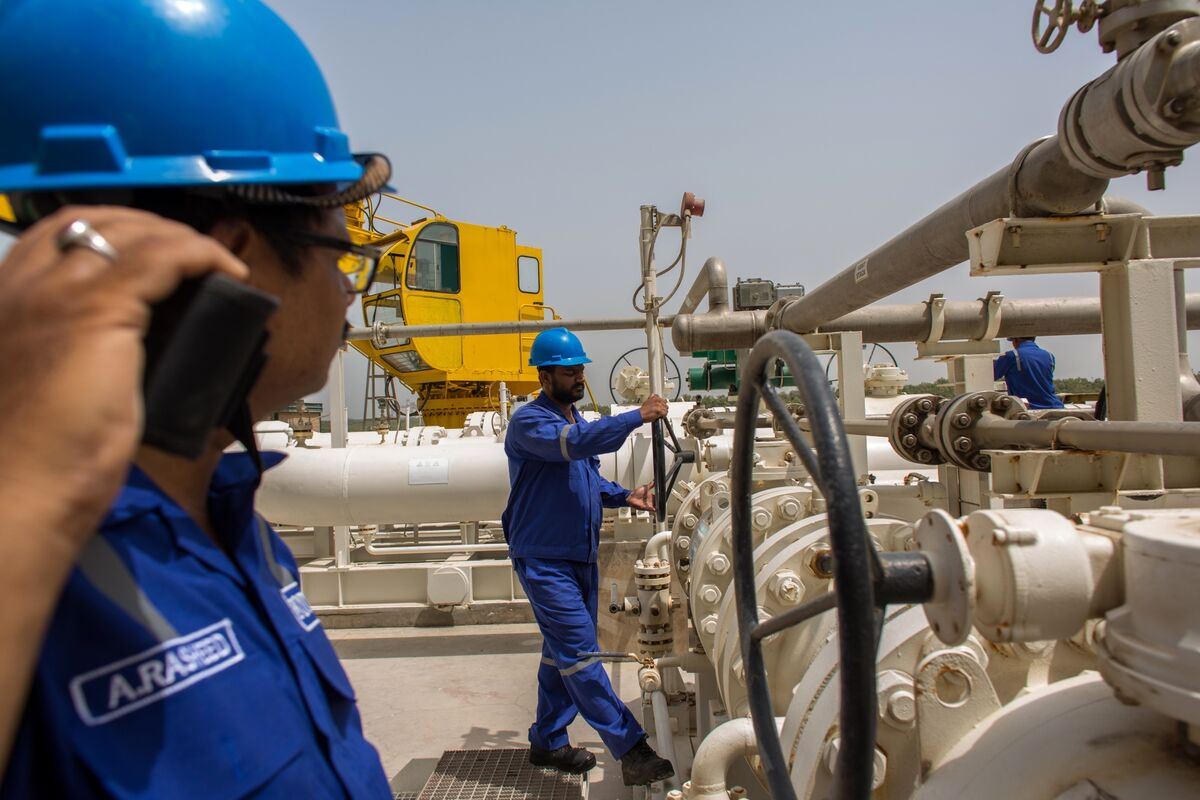
Qatar LNG export disruptions continue as fewer gas tankers cross the Strait of Hormuz despite resumed oil flows, according to Bloomberg Markets.
Qatar LNG export disruptions are extending beyond initial expectations as fewer liquefied natural gas tankers continue to avoid crossing the Strait of Hormuz despite resumed oil flows through the strategic waterway, according to Bloomberg Markets. While oil shipments have returned to normal transit patterns through Hormuz, the natural gas shipping sector faces prolonged operational challenges that affect global LNG buyers and energy market planning.
Key Takeaways
Oil flows through the Strait of Hormuz have resumed, but LNG tanker crossings remain constrained
Qatar's natural gas export recovery is lagging behind the oil sector's return to normal operations
Global LNG buyers face continued supply uncertainty from one of the world's largest natural gas exporters
The divergence between oil and gas shipping patterns highlights sector-specific risk assessments in the Strait of Hormuz
The source context confirms that oil tankers have returned to regular transit through the Strait of Hormuz, but LNG carriers remain hesitant to make the crossing. This divergence creates a supply gap for natural gas buyers who depend on Qatari exports, one of the largest sources of liquefied natural gas in global markets. The operational difference between oil and gas shipping reflects distinct risk calculations by vessel operators, insurers, and charterers in the current maritime environment. For readers following broader market updates , this development illustrates how sector-specific logistics can create uneven recovery patterns even when headline risks appear to stabilize.
Read original source