market
Russia Considers Diesel Export Ban After Ukraine Refinery Attacks
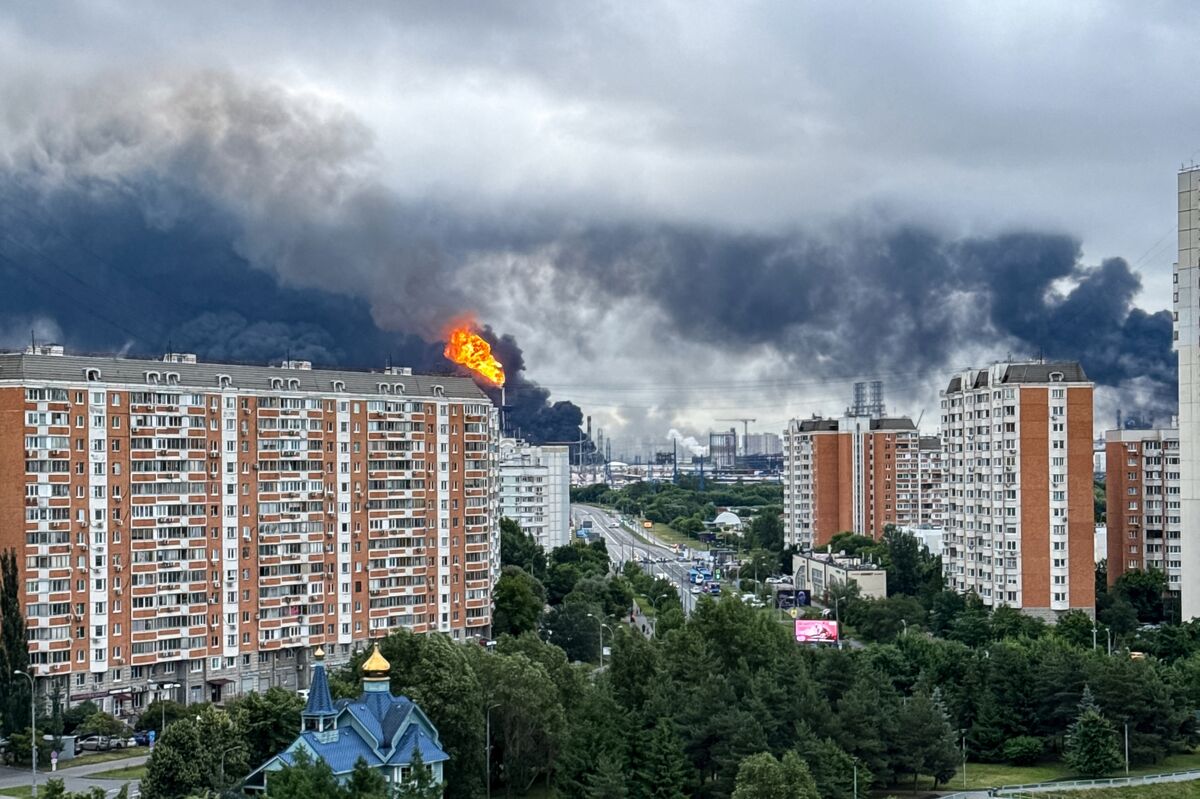
Russia weighs diesel export ban to prevent domestic shortages following intensified Ukrainian attacks on refineries, Bloomberg Markets reports.
Russia is weighing a diesel export ban to avoid domestic shortages after Ukraine intensified attacks on the nation's refineries, according to Bloomberg Markets. The potential policy shift reflects mounting pressure on Russian energy infrastructure and raises questions about global diesel supply dynamics as military operations continue to target critical refining capacity.
Key takeaways
Russia is considering a ban on diesel exports following intensified Ukrainian attacks on refineries
The proposed ban aims to prevent domestic fuel shortages within Russia
Export restrictions from major producers can tighten global diesel markets and affect pricing (general context)
Energy infrastructure has become a strategic target in the ongoing conflict
Table of Contents
What happened
Why it matters
What to watch next
What happened
Russia is weighing a ban on exports of diesel to avoid domestic shortages after Ukraine intensified attacks on the nation's refineries, Bloomberg Markets reported on June 23, 2026. The consideration of export restrictions represents a direct response to the escalating targeting of Russian refining infrastructure. The attacks have evidently raised concerns within Russian policymaking circles about the country's ability to maintain adequate domestic fuel supplies while continuing to export petroleum products to international markets.
The potential diesel export ban would mark a significant shift in Russian energy policy, which has historically balanced domestic consumption needs with export revenue generation. While the source does not specify the timing, scope, or implementation details of any potential ban, the consideration itself signals that Ukrainian strikes have created meaningful operational challenges for Russian refining capacity. The attacks appear to have intensified sufficiently to prompt Russian authorities to evaluate protective measures for domestic fuel availability.
Why it matters
Diesel markets are globally interconnected, and export restrictions from any major producer can create supply tightness and price volatility in importing regions. Russia has been a significant exporter of refined petroleum products, including diesel, to European and global markets. Any reduction in Russian diesel exports would require importing countries to source alternative supplies, potentially from more distant suppliers, which can increase freight costs and delivery times.
The consideration of an export ban underscores how military operations targeting energy infrastructure can ripple through commodity markets beyond the immediate conflict zone. Energy infrastructure has emerged as a strategic target in modern conflicts because disrupting fuel supplies affects both military operations and civilian economies. Refineries are complex, capital-intensive facilities that require time and expertise to repair once damaged. Ukrainian attacks on Russian refineries appear designed to constrain Russia's ability to fuel military operations while also creating economic pressure through potential domestic shortages. For market participants, the threat of export bans introduces policy risk alongside physical supply risk, as governments may prioritize domestic needs over export commitments during periods of infrastructure stress or perceived shortage.
What to watch next
Traders and analysts will monitor whether Russia formally announces a diesel export ban, and if so, the specific terms including duration, volume limits, and any exemptions for existing contracts or specific trading partners. The scope of any ban will determine the magnitude of impact on global diesel markets. Additionally, market participants will watch for signs of how quickly Russian refining capacity can be restored following attacks, as repair timelines will influence how long any export restrictions might remain in place.
The frequency and effectiveness of Ukrainian strikes on energy infrastructure will also be a key variable affecting future supply availability. Global diesel prices, particularly in Europe and other regions that have historically imported Russian refined products, will be closely watched for signs of tightening supply. Diesel crack spreads—the difference between crude oil prices and diesel prices—can widen if refining capacity is constrained, signaling increased refining margins and potential supply stress. Market participants will also observe whether other diesel exporters increase output to fill any supply gap, and whether importing nations accelerate efforts to diversify their refined product sources. The interplay between military operations, infrastructure damage, policy responses, and market adjustments will shape diesel market dynamics in the coming weeks and months.
Read original source