market
Saudi Arabia Set to Restart Ras Tanura Oil Exports After Deal
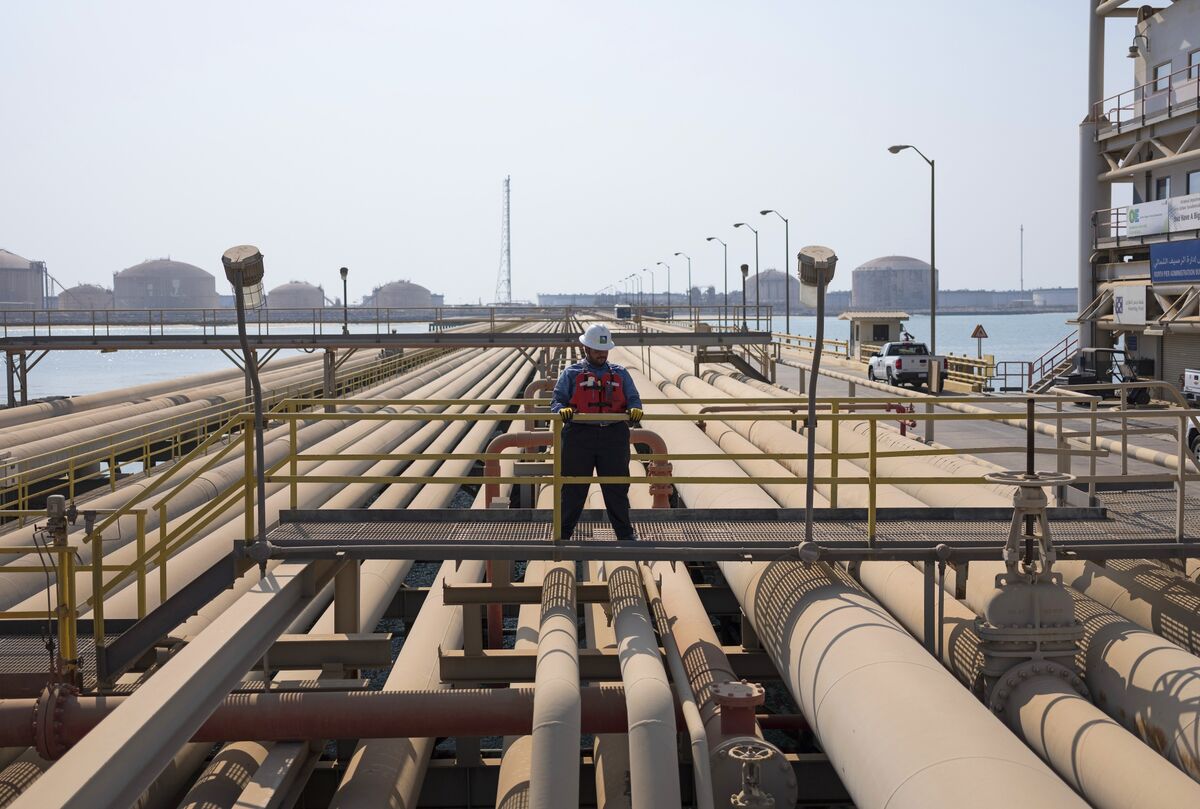
Saudi Arabia appears ready to restart crude loading at Ras Tanura terminal following a US-Iran peace deal that freed up Persian Gulf petroleum flows.
According to Bloomberg Markets, Saudi Arabia, the world's top oil exporter, appears ready to restart crude loading operations at the Ras Tanura terminal inside the Persian Gulf. The move comes more than a week after a US-Iran peace deal was struck to free up the region's petroleum flows. The development signals a potential easing of supply constraints in one of the world's most critical energy corridors.
Key takeaways
Saudi Arabia appears set to restart crude loading at the Ras Tanura terminal in the Persian Gulf
The restart follows more than a week after a US-Iran peace deal aimed at freeing up regional petroleum flows
Ras Tanura is a major export terminal for the world's top oil exporter
General context: Persian Gulf flows are critical to global oil supply, with disruptions typically affecting energy markets worldwide
Table of Contents
What happened
Why it matters
What to watch next
What happened
Saudi Arabia is preparing to resume crude oil loading operations at the Ras Tanura terminal, located inside the Persian Gulf. According to Bloomberg Markets, this restart appears imminent following a diplomatic breakthrough between the United States and Iran. The peace deal, struck more than a week before the anticipated restart, was designed to free up petroleum flows in the region. Ras Tanura serves as one of Saudi Arabia's key export terminals for crude oil shipments to global markets.
The timing of the restart suggests that operational conditions in the Persian Gulf have improved sufficiently to allow the resumption of normal export activities. Saudi Arabia, as the world's leading oil exporter, relies on multiple terminals to ship crude to customers across Asia, Europe, and other regions. The Ras Tanura facility represents a significant piece of the kingdom's export infrastructure, and its return to operation marks a notable development in regional energy logistics following the diplomatic agreement.
Why it matters
The Persian Gulf serves as a critical chokepoint for global oil supply, with millions of barrels per day transiting through the region to reach consuming nations. Any disruption to flows through this waterway can create supply concerns and affect energy prices worldwide. Oil markets are highly sensitive to geopolitical developments in the Middle East, particularly those involving major producers like Saudi Arabia and regional tensions that can threaten shipping lanes. The Strait of Hormuz, which connects the Persian Gulf to the Gulf of Oman and the wider ocean, is one of the world's most strategically important oil transit routes.
The restart of Ras Tanura operations following a US-Iran peace deal suggests that diplomatic efforts have succeeded in reducing immediate risks to petroleum flows in the region. For energy markets, the resumption of normal export activity from a major Saudi terminal could help ease supply concerns that may have emerged during any period of reduced flows. Market participants typically monitor Persian Gulf developments closely, as supply disruptions from this region can quickly translate into price volatility. The ability of Saudi Arabia to maintain consistent export operations supports global oil market stability and helps ensure that consuming nations have reliable access to crude supplies.
What to watch next
Energy market observers will likely monitor whether the Ras Tanura restart proceeds smoothly and whether other Persian Gulf export operations continue without disruption. The durability of the US-Iran peace deal will be a key factor in determining whether regional petroleum flows remain stable in the coming weeks and months. Any signs of renewed tensions or operational challenges at major export terminals could quickly affect market sentiment. Traders and analysts typically track vessel movements, loading schedules, and shipping data to assess the actual flow of crude from the region.
Additionally, market participants will watch for any official statements from Saudi Arabia regarding export volumes and production plans. The kingdom's output decisions, communicated through OPEC and other channels, influence global supply balances and price dynamics. The broader geopolitical environment in the Middle East remains a factor that energy markets must continuously assess, as developments involving major producers or transit routes can have immediate implications for supply security. Monitoring diplomatic progress, regional stability, and actual export data will help market participants gauge whether the current improvement in Persian Gulf flows is sustainable.
Read original source