market
Scott Bessent Floats Single 'Tap the Brakes' Rate Hike Idea
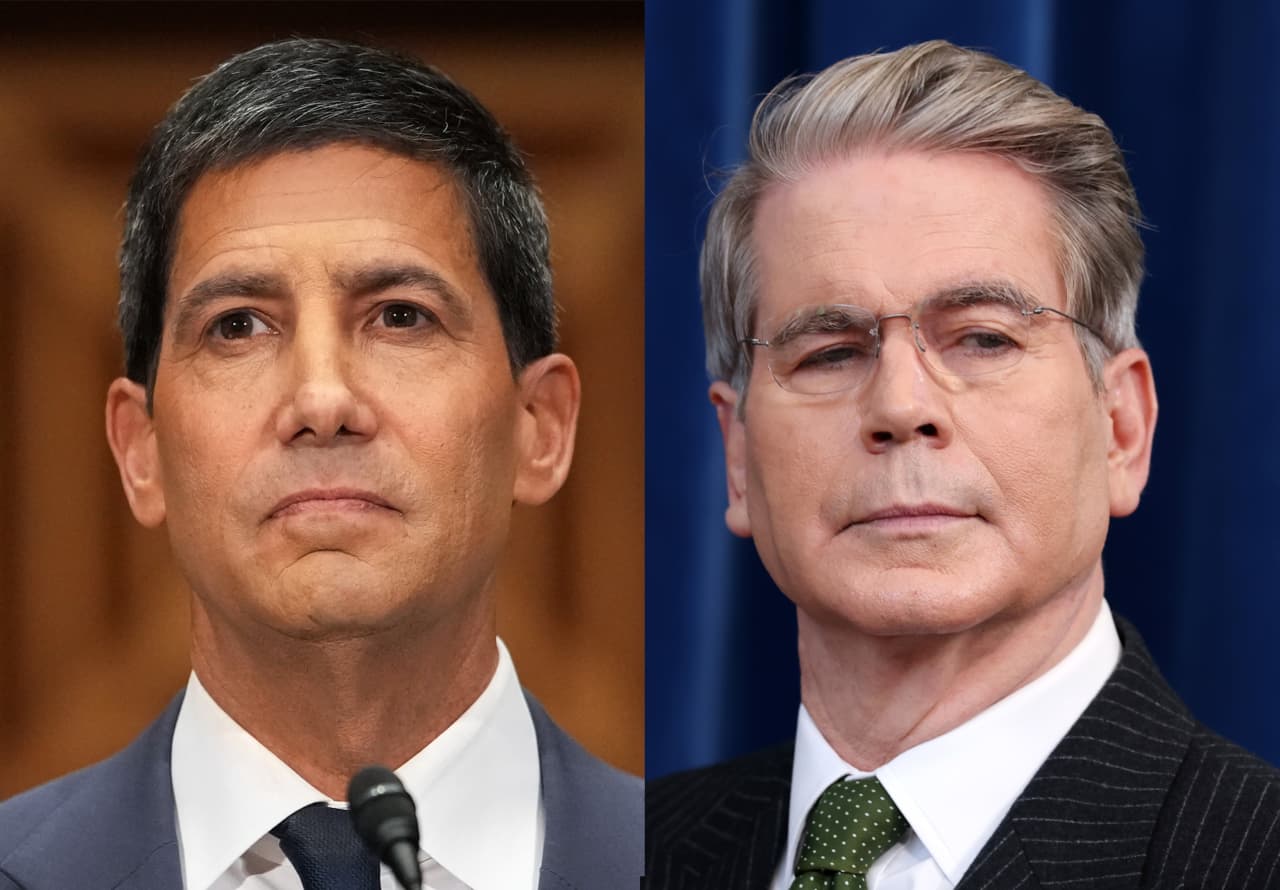
Treasury Secretary Scott Bessent has floated the idea of a single 'tap the brakes' rate hike, with an analyst suggesting White House approval for Fed action.
Treasury Secretary Scott Bessent has floated the idea of a single "tap the brakes" rate hike, according to MarketWatch. An analyst believes this commentary may signal that the Trump White House has given Federal Reserve Chair Kevin Warsh the green light to pursue such a move, though the source frames this as a question rather than a confirmed development.
Key takeaways
Treasury Secretary Scott Bessent has floated the idea of a single "tap the brakes" rate hike
An analyst suggests the Trump White House may have signaled approval for Federal Reserve Chair Kevin Warsh to pursue a rate increase
General context: Rate hike discussions typically reflect concerns about inflation, economic growth, or financial stability
General context: Treasury Secretary commentary on Federal Reserve policy can influence market expectations, though the Fed maintains operational independence
Table of Contents
What happened
Why it matters
What to watch next
What happened
Treasury Secretary Scott Bessent has publicly discussed the concept of a single "tap the brakes" rate hike, according to MarketWatch. The source indicates that an analyst interprets this commentary as a potential signal from the Trump White House regarding Federal Reserve policy direction. The analyst's view suggests that Federal Reserve Chair Kevin Warsh may have received implicit approval to consider raising interest rates. The specific phrase "tap the brakes" suggests a measured, single-step adjustment rather than a sustained tightening cycle.
MarketWatch framed the development as a question about whether the White House has given Warsh the green light to proceed with such a move. The source does not specify the timing, magnitude, or economic conditions that would trigger such a rate adjustment. General context: Treasury Secretaries occasionally comment on monetary policy matters, though such statements represent administration views rather than Federal Reserve decisions. General context: The Federal Reserve operates with statutory independence and makes policy decisions based on economic data and its dual mandate of maximum employment and stable prices.
Why it matters
Interest rate policy decisions by the Federal Reserve represent one of the most powerful tools for managing economic growth, inflation, and financial stability. When Treasury Secretaries comment on rate policy, markets pay close attention because such statements can signal the administration's economic priorities and concerns. However, the Federal Reserve operates with statutory independence, meaning it makes monetary policy decisions based on its dual mandate of maximum employment and stable prices, not political direction.
The concept of a single "tap the brakes" rate hike differs from a sustained tightening cycle. General context: A one-time increase might be used to signal concern about specific economic conditions—such as rising inflation expectations, asset price bubbles, or overheating growth—without committing to a prolonged period of higher rates. General context: Market participants typically adjust their expectations for bond yields, equity valuations, currency movements, and credit conditions based on anticipated Federal Reserve actions. Treasury Secretary commentary can move markets even when the Fed has not announced any policy change, as investors attempt to price in future scenarios.
What to watch next
Readers should monitor official Federal Reserve communications, including Federal Open Market Committee statements, meeting minutes, and speeches by Federal Reserve Chair Kevin Warsh and other policymakers. General context: The Fed's Summary of Economic Projections, which includes the "dot plot" of individual policymakers' rate expectations, provides insight into the likely path of monetary policy. Any formal announcement of a rate decision would come through the FOMC's scheduled meetings, which are publicly calendared.
General context: Economic data releases will be critical for understanding the context in which rate decisions might be made. Key indicators include the Consumer Price Index and Personal Consumption Expenditures price index for inflation, nonfarm payrolls and unemployment rate for labor market conditions, and GDP growth figures for overall economic momentum. General context: Market-based measures such as Treasury yields, inflation breakevens derived from Treasury Inflation-Protected Securities, and federal funds futures can reveal how investors are pricing the probability and timing of rate changes. Any further public statements from Treasury Secretary Bessent or other administration officials regarding monetary policy will also warrant attention, as they may clarify or modify the initial commentary.
Read original source