policy
Senator Armstrong Calls Permitting Reform Key to Lower Energy Costs
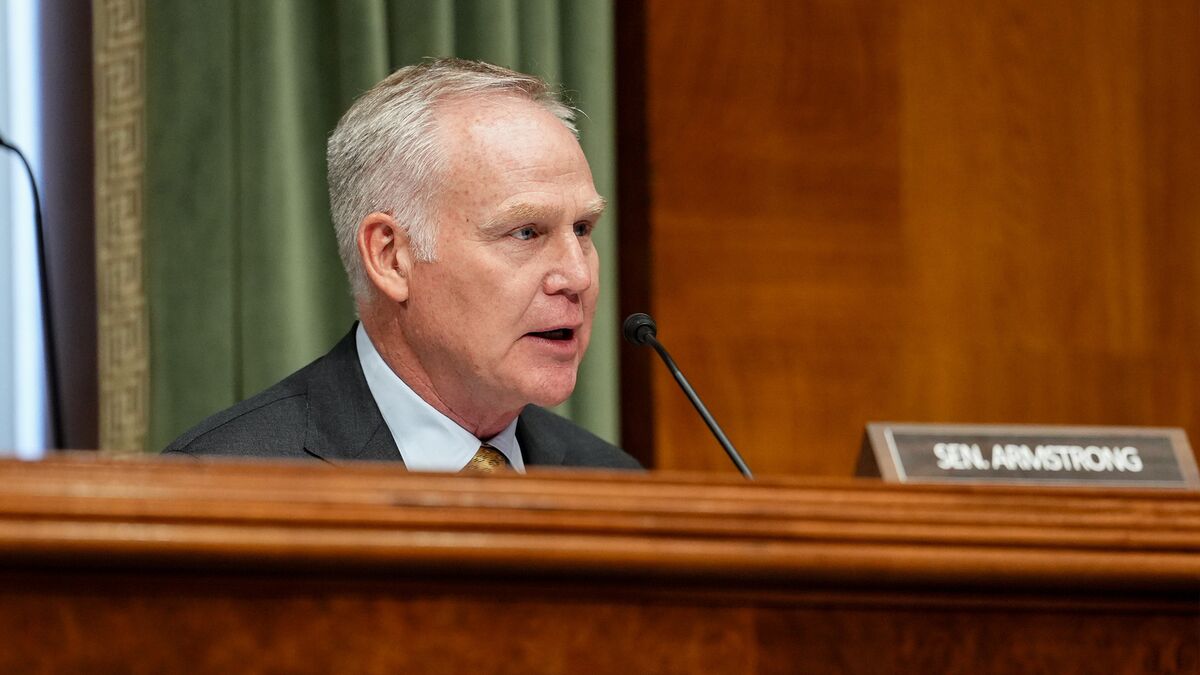
Senator Alan Armstrong argues permitting reform, not federal spending, is the most effective way to lower housing and energy costs for consumers.
Senator Alan Armstrong (R-Oklahoma) argued that permitting reform, rather than additional federal spending, is the most effective way to lower housing and energy costs, according to Bloomberg Markets. Speaking on Bloomberg This Weekend with David Gura and Christina Ruffini, Armstrong stated that regulatory delays have created infrastructure bottlenecks that drive up prices for consumers.
Key takeaways
Senator Alan Armstrong (R-Oklahoma) called permitting reform the most effective way to lower housing and energy costs, according to Bloomberg Markets.
Armstrong argued that regulatory delays have created infrastructure bottlenecks that drive up consumer prices.
The senator emphasized permitting reform over additional federal spending as the preferred policy approach.
Readers may watch for future legislative proposals, energy sector disclosures, and infrastructure project updates.
Table of Contents
What the senator proposed
Why permitting reform matters for energy markets
Infrastructure bottlenecks and consumer costs
What to watch next
What the senator proposed
Senator Alan Armstrong (R-Oklahoma) stated on Bloomberg This Weekend that permitting reform is the most effective way to lower housing and energy costs for consumers. Armstrong argued that regulatory delays have created infrastructure bottlenecks that drive up prices. The senator emphasized permitting reform over additional federal spending as the preferred policy approach, according to Bloomberg Markets.
The source context did not provide details on specific legislative proposals, timelines, or affected infrastructure projects. Armstrong's comments reflect a policy position that regulatory streamlining can reduce costs more effectively than direct government expenditure. The senator's remarks were made during a video interview broadcast on June 27, 2026.
Why permitting reform matters for energy markets
Permitting reform is a recurring topic in energy policy debates because infrastructure projects often face lengthy regulatory review processes. For energy markets, delays in permitting can affect the timing and cost of new power generation, transmission lines, pipelines, and storage facilities. When infrastructure projects are delayed, supply constraints can emerge, potentially raising prices for consumers and businesses.
For readers following broader market updates , permitting reform discussions can matter because energy costs influence inflation, consumer spending, and corporate operating expenses. Energy infrastructure investment also affects capital allocation in the energy sector, including utilities, oil and gas companies, and renewable energy developers. The source context did not specify which infrastructure projects or regions Armstrong referenced, so readers should watch for future legislative details.
Infrastructure bottlenecks and consumer costs
Armstrong argued that regulatory delays have created infrastructure bottlenecks that drive up prices for consumers. Infrastructure bottlenecks can occur when demand for energy exceeds the capacity of existing transmission, distribution, or production facilities. When new infrastructure cannot be built or upgraded quickly, prices may rise in constrained regions. Permitting delays can extend project timelines, increase financing costs, and reduce the number of projects that reach completion.
The source context did not provide specific examples of bottlenecks, affected regions, or quantified cost impacts. In general market context, infrastructure bottlenecks can affect energy prices, housing costs, and industrial competitiveness. Readers should note that the senator's argument is a policy position, not a confirmed market outcome. The effectiveness of permitting reform depends on legislative design, regulatory implementation, and market conditions.
What to watch next
Readers may watch for future legislative proposals related to permitting reform, including any bills introduced by Senator Armstrong or other lawmakers. Energy sector disclosures, infrastructure project updates, and regulatory agency announcements could provide additional context. Market readers may also monitor energy prices, housing cost data, and infrastructure investment trends to assess whether policy changes influence consumer costs.
The source context did not include details on legislative timelines, bipartisan support, or specific regulatory agencies targeted for reform. Readers should treat the senator's comments as a policy position and watch for future disclosures that clarify legislative intent, affected infrastructure categories, and potential market impact. Energy market participants may also watch for industry responses, including statements from utilities, pipeline operators, and renewable energy developers.
Read original source