market
SK Hynix $30 Billion U.S. Listing May Impact Micron Stock
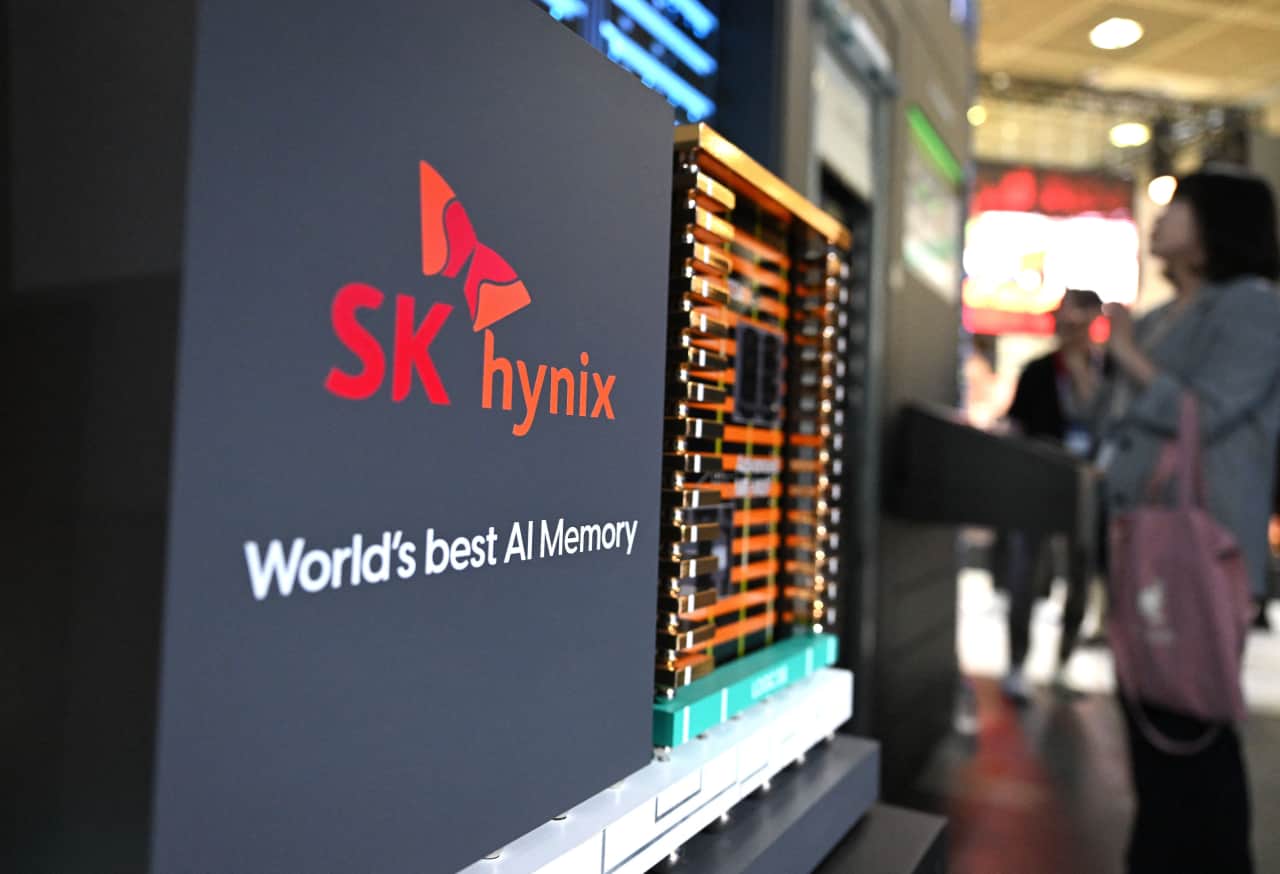
SK Hynix plans a $30 billion U.S. listing that could expand investor choice beyond Micron while raising awareness of memory chip industry dynamics.
According to MarketWatch, South Korean memory chip manufacturer SK Hynix is pursuing a $30 billion U.S. listing that could present both opportunities and challenges for Micron Technology investors. The SK Hynix U.S. listing would provide investors with additional options beyond Micron in the memory semiconductor space, while potentially increasing market awareness of the competitive dynamics shaping the industry. The move represents a significant development in how U.S. investors can access exposure to the global memory chip market.
Key takeaways
SK Hynix is planning a $30 billion U.S. listing, according to MarketWatch reporting.
The listing could offer investors more opportunities beyond Micron in the memory chip sector.
The move may raise awareness of industry dynamics among U.S. market participants.
Memory chip manufacturers compete in a cyclical industry where supply, demand, and pricing power shift based on technology transitions and capacity decisions.
Table of Contents
What happened
Why it matters
What to watch next
What happened
MarketWatch reported that SK Hynix, the South Korean memory chip company, could pursue a $30 billion U.S. listing. The publication characterized this potential listing as a double-edged development for Micron Technology stock. According to the source, the listing would give investors more opportunities beyond Micron, expanding the universe of publicly traded memory semiconductor companies accessible to U.S. investors.
At the same time, MarketWatch noted that the listing may also raise awareness of industry dynamics among market participants. The source did not specify timing, regulatory approvals, listing venue, or other structural details of the potential SK Hynix offering. The $30 billion figure represents the scale of the contemplated listing. SK Hynix is one of the major global producers of dynamic random-access memory and NAND flash memory chips, competing directly with Micron and other semiconductor manufacturers in key technology segments.
Why it matters
The memory chip industry is characterized by intense competition, cyclical pricing dynamics, and significant capital requirements for manufacturing capacity. Memory semiconductor companies compete on technology node advancement, production efficiency, and the ability to serve customers during periods of tight supply or excess inventory. When a major industry player lists on U.S. exchanges, it can alter how investors allocate capital across the sector, potentially affecting valuations and trading patterns for existing publicly traded competitors.
For Micron Technology, the arrival of a direct competitor on U.S. exchanges could provide investors with an alternative vehicle for gaining exposure to memory chip demand trends. This expanded choice may benefit investors seeking diversification or specific exposure to different product mixes, customer bases, or geographic revenue profiles. However, increased visibility into industry dynamics—such as capacity additions, pricing trends, and competitive positioning—could also lead to more scrutiny of sector-wide challenges including cyclical downturns, inventory corrections, and margin pressures.
What to watch next
Investors should monitor any formal announcements from SK Hynix regarding the structure, timing, and regulatory pathway for a U.S. listing. Key details to watch include the listing venue, whether the offering involves primary capital raising or secondary share sales, and how the company plans to communicate its competitive positioning and financial outlook to U.S. investors. Regulatory filings with the U.S. Securities and Exchange Commission would provide detailed financial disclosures, risk factors, and business descriptions that could offer new insights into memory chip industry economics.
Market participants should also observe how Micron Technology and other memory semiconductor stocks respond to any confirmed listing plans. Comparative valuation metrics, analyst coverage expansion, and shifts in institutional ownership patterns could signal how the market is digesting the increased competitive transparency. Broader industry indicators—including memory chip pricing trends, data center capital expenditure cycles, smartphone unit demand, and artificial intelligence-driven memory requirements—will remain important factors for assessing the investment case for all memory semiconductor companies, regardless of listing location.
Read original source