tech-ai
South Korea Won Shifts to 24-Hour Trading as Global Interest Rises
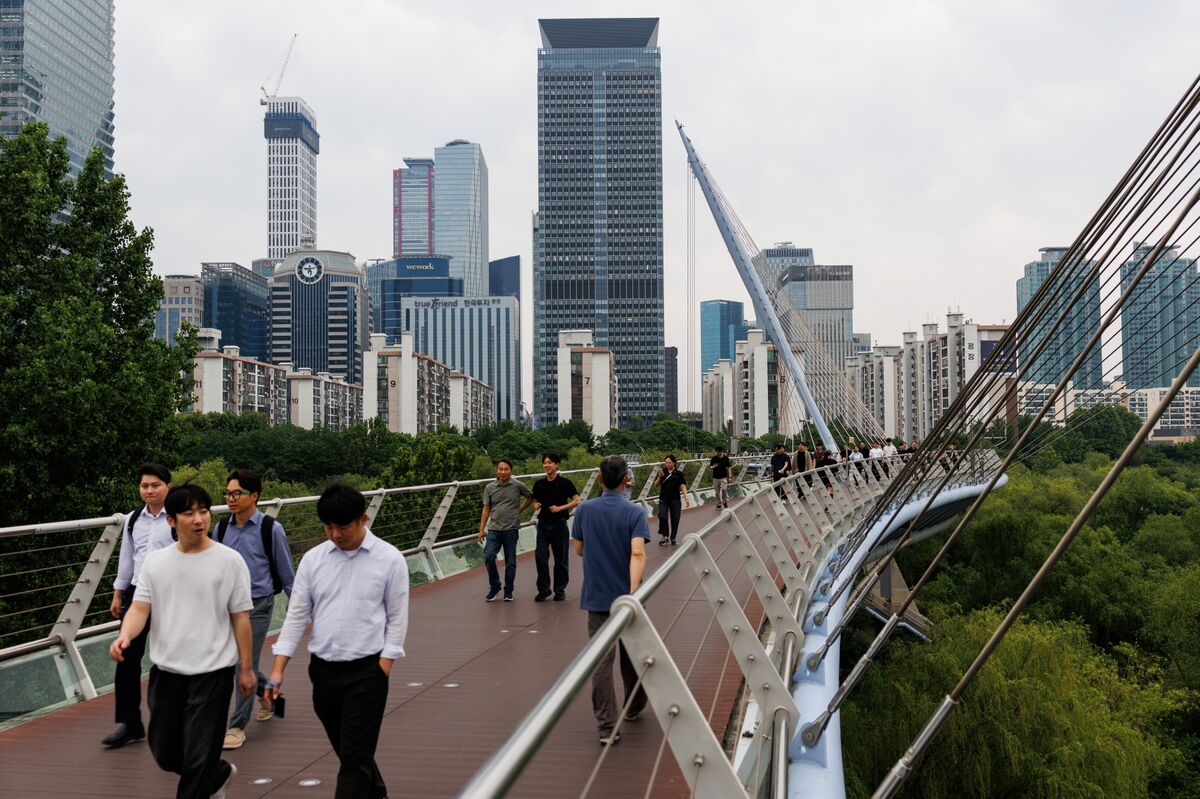
South Korea won prepares for 24-hour trading on July 6 as global investor interest in the country's capital markets improves, according to Bloomberg Markets.
Global investor interest in South Korea's economy and capital markets has improved in recent years, according to the country's top finance ministry official, as the South Korea won prepares to shift to round-the-clock trading on July 6, Bloomberg Markets reported. The move to 24-hour trading represents a significant operational change for the currency market and reflects broader efforts to enhance market accessibility for international participants.
Key takeaways
South Korea won will shift to 24-hour trading on July 6, according to Bloomberg Markets
Global investor interest in South Korea's economy and capital markets has improved in recent years, the country's top finance ministry official said
Extended trading hours can influence currency market liquidity, volatility patterns, and accessibility for international participants
Market readers may watch for trading volume data, volatility patterns, and participant feedback after the July 6 launch
Table of Contents
Market Move
Why Extended Trading Hours Matter
What to Watch Next
Market Move
Bloomberg Markets reported that South Korea's won will transition to 24-hour trading on July 6. The country's top finance ministry official stated that global investors' interest in South Korea's economy and capital markets has "clearly changed" for the better in recent years. The shift to round-the-clock trading marks a structural change in how the currency operates in global markets, expanding access beyond traditional Asian trading hours.
The move aligns with broader efforts by emerging market economies to enhance market infrastructure and attract international capital. Extended trading hours can reduce settlement risk, improve price discovery, and allow market participants in different time zones to trade the currency during their local business hours. For readers following broader market updates , this development can help frame how currency markets adapt to global investor demand.
Why Extended Trading Hours Matter
For currency market participants, 24-hour trading can influence liquidity, volatility, and execution quality. When a currency trades continuously, market makers and institutional investors can manage positions and hedge risk throughout the day, rather than waiting for the next trading session. This can reduce overnight gaps and improve market efficiency, though it may also introduce new volatility patterns as trading activity spreads across time zones.
What to Watch Next
Market readers may monitor several developments after the July 6 launch. Trading volume data during non-Asian hours will indicate whether international participants actively use the extended access. Volatility patterns may shift as liquidity spreads across time zones, and market makers may adjust pricing and risk management practices. Any official disclosures from South Korea's finance ministry or central bank regarding early trading activity, participant feedback, or operational performance would provide useful context.
Investors may also watch for broader policy signals related to capital market openness, foreign exchange regulation, and financial infrastructure. The move to 24-hour trading could be part of a larger effort to integrate South Korea's markets more deeply into global financial systems. Future announcements regarding index inclusion, regulatory reforms, or cross-border settlement improvements would help clarify the country's strategic priorities and the potential impact on currency market structure.
Read original source