policy
Supreme Court Set to Rule on Trump Fed and Citizenship Cases
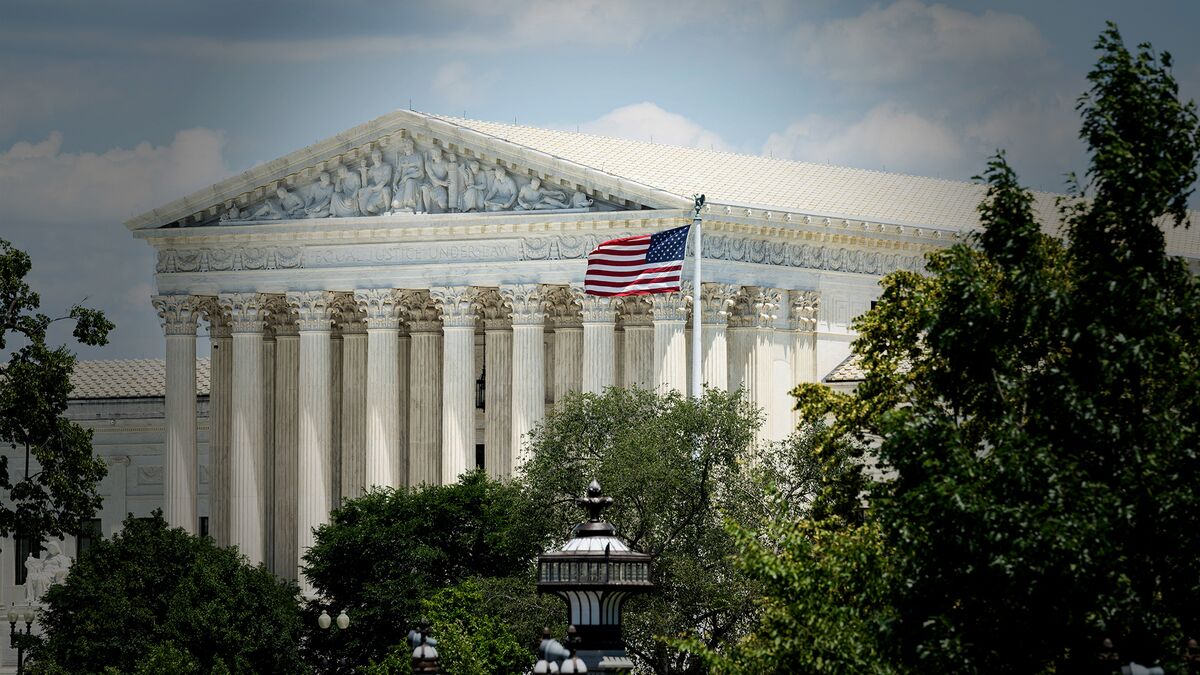
Supreme Court expected to issue rulings this week on Trump's attempt to remove Fed Governor Lisa Cook and birthright citizenship order, Bloomberg reports.
The Supreme Court is expected to issue rulings this week in two closely watched cases involving President Donald Trump, according to Bloomberg Markets. The cases involve Trump's attempt to remove Federal Reserve Governor Lisa Cook and his executive order restricting birthright citizenship, Bloomberg News Supreme Court reporter Greg Stohr stated in a Bloomberg This Weekend interview. The decisions could carry significant implications for executive authority, central bank independence, and constitutional interpretation.
Key takeaways
Supreme Court expected to rule this week on Trump's attempt to remove Federal Reserve Governor Lisa Cook
Court also set to decide on Trump executive order restricting birthright citizenship
Both cases involve questions of executive authority and constitutional limits
Decisions could influence market expectations around Federal Reserve independence and policy stability
Table of Contents
What happened
Political context
Who is affected
What to watch next
What happened
Bloomberg News Supreme Court reporter Greg Stohr confirmed that the Supreme Court is expected to issue rulings this week in two high-profile cases involving President Trump. The first case concerns Trump's attempt to remove Federal Reserve Governor Lisa Cook from her position. The second case involves an executive order issued by Trump that restricts birthright citizenship. Both cases have been closely watched by legal observers, market participants, and policy analysts due to their potential constitutional and institutional implications.
The timing of the rulings comes during a period when questions about executive authority, central bank independence, and constitutional interpretation remain active topics in legal and financial circles. Bloomberg Markets reported the expected timing based on information from Stohr, who covers the Supreme Court for the news organization. The source context does not provide additional details about the legal arguments, lower court rulings, or specific constitutional questions at issue in either case.
Political context
The Federal Reserve case raises questions about the extent of presidential authority over independent regulatory officials. Federal Reserve governors are appointed to 14-year terms and can only be removed for cause under current law, a structure designed to insulate monetary policy decisions from short-term political pressure. Presidential attempts to remove Federal Reserve officials have historically been rare, making this case a potential landmark decision on executive power and central bank independence. The outcome could influence how future administrations interact with the Federal Reserve and other independent agencies.
The birthright citizenship case involves constitutional interpretation of the Fourteenth Amendment, which states that all persons born in the United States are citizens. Executive orders restricting birthright citizenship have faced legal challenges on constitutional grounds. The Supreme Court's ruling could clarify the scope of executive authority to reinterpret or limit constitutional provisions through executive action. Both cases touch on fundamental questions about the separation of powers and the limits of executive authority under the U.S. Constitution.
Who is affected
For financial markets, the Federal Reserve case carries particular significance because central bank independence is widely viewed as important for credible monetary policy. Market participants often monitor developments that could affect the Federal Reserve's ability to set interest rates and conduct policy without political interference. A ruling that expands presidential removal authority could influence investor expectations about future policy stability, while a ruling that upholds existing protections could reinforce the current institutional framework. The source context does not report specific market reactions or asset price movements tied to the expected rulings.
The birthright citizenship case could affect immigration policy, legal interpretation, and administrative law more broadly. Legal scholars, immigration advocates, and policy analysts have followed the case closely. For readers following broader market updates , constitutional rulings on executive authority can matter because they help define the institutional framework within which economic policy operates. The source context does not provide details on how many individuals could be affected by the birthright citizenship ruling or what specific restrictions the executive order imposed.
What to watch next
Market readers should watch for the Supreme Court's official rulings, which are expected to be issued this week according to the source context. The decisions will clarify the legal status of both cases and could provide guidance on the scope of executive authority in related contexts. If the Court rules on the Federal Reserve case, investors and analysts will likely assess whether the decision affects expectations around central bank independence, policy continuity, or future appointments. If the Court rules on the birthright citizenship case, legal and policy observers will evaluate the constitutional reasoning and potential implications for executive action on immigration and other policy areas.
Read original source