market
Train Passed Red Signal Before Fatal Crash, Report Finds
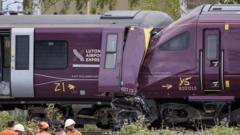
Independent Rail Accident Investigation Branch releases preliminary report finding train passed red signal before fatal crash.
According to BBC Business, a preliminary report from the Independent Rail Accident Investigation Branch has found that a train passed a red signal before a fatal crash. The Independent Rail Accident Investigation Branch published the preliminary report on June 24, 2026, documenting the signal passing as a key finding in the ongoing investigation into the fatal rail accident.
Key takeaways
A train passed a red signal before a fatal crash, according to a preliminary report from the Independent Rail Accident Investigation Branch
The Independent Rail Accident Investigation Branch published the preliminary report on June 24, 2026
Rail accident investigations typically examine signal systems, driver actions, and infrastructure to determine causation and prevent future incidents
Preliminary reports provide initial findings while full investigations continue, often taking months to complete comprehensive safety recommendations
Table of Contents
What happened
Why it matters
What to watch next
What happened
The Independent Rail Accident Investigation Branch released a preliminary report on June 24, 2026, detailing findings from a fatal rail crash investigation. The report identified that a train passed a red signal before the fatal accident occurred. The Independent Rail Accident Investigation Branch, which conducts independent safety investigations into rail accidents in the United Kingdom, published these initial findings as part of its standard investigative process.
Preliminary reports from rail accident investigation bodies typically document observable facts and initial evidence gathered at crash sites, including signal status, train positions, and infrastructure conditions at the time of the incident. The publication of this preliminary report represents an early stage in what is typically a comprehensive investigation process. Full investigation reports from such bodies often take considerably longer to complete, as investigators analyze data recorders, interview witnesses, examine equipment, and develop safety recommendations.
Why it matters
Signal passing at danger—when a train passes a red signal—represents one of the most serious safety violations in railway operations, as signals are fundamental safety controls designed to prevent collisions and derailments. Railway signaling systems create safe separation between trains and protect track workers, level crossings, and infrastructure by controlling train movements through colored light signals similar to road traffic lights. When a train passes a red signal, it enters a section of track that may be occupied by another train, under maintenance, or otherwise unsafe for passage.
Rail accident investigations serve critical functions in transportation safety by identifying systemic failures, equipment defects, human factors, and procedural gaps that contribute to accidents. Independent investigation branches operate separately from railway operators and regulators to ensure objective analysis. Their findings influence safety regulations, training programs, technology investments, and operational procedures across rail networks. For rail operators, infrastructure managers, and equipment manufacturers, investigation findings can trigger safety reviews, liability assessments, and operational changes. Investors in rail companies and transport infrastructure monitor such investigations for potential financial, regulatory, and reputational impacts.
What to watch next
The Independent Rail Accident Investigation Branch will continue its investigation beyond this preliminary report, conducting detailed analysis of train data recorders, signal system logs, driver actions, maintenance records, and operational procedures. Full investigation reports typically include comprehensive timelines, technical analysis, contributing factor identification, and formal safety recommendations directed at rail operators, infrastructure managers, regulators, and equipment suppliers. These recommendations often become the basis for industry-wide safety improvements and regulatory changes.
Stakeholders including rail operators, safety regulators, insurance companies, and transport investors will monitor the investigation's progression for final conclusions about causation, responsibility, and required safety enhancements. The investigation may examine whether the signal passing resulted from driver error, signal system malfunction, inadequate training, fatigue management failures, or other factors. Final reports from independent rail accident investigation branches are publicly available documents that provide detailed safety lessons and are studied by railway safety professionals globally to prevent similar incidents.
Read original source