market
Trump Accuses Shell, ExxonMobil, BP, Chevron of Price-Gouging
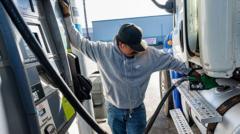
President Trump named Shell, ExxonMobil, BP, and Chevron when discussing a probe into fuel prices, accusing big oil firms of price-gouging drivers.
According to BBC Business, President Trump has accused major oil companies of price-gouging drivers, specifically naming Shell, ExxonMobil, BP, and Chevron when speaking to reporters about a probe into fuel prices. The oil price-gouging probe marks a direct presidential intervention into energy sector pricing practices, targeting four of the world's largest integrated oil and gas companies.
Key Takeaways
President Trump accused Shell, ExxonMobil, BP, and Chevron of price-gouging drivers during remarks to reporters
The president discussed a probe into fuel prices when naming these companies
Price-gouging allegations against oil majors typically examine the relationship between crude oil costs and retail gasoline prices (general context)
Presidential intervention in energy pricing can influence market sentiment and regulatory expectations for the oil sector (general context)
Table of Contents
What Happened
Why It Matters
What to Watch Next
What Happened
President Trump named four major oil companies—Shell, ExxonMobil, BP, and Chevron—when talking to reporters about a probe into fuel prices, according to BBC Business. The president accused these big oil firms of price-gouging drivers. The public accusation represents a direct presidential statement targeting specific companies in the energy sector.
The four companies named represent a significant portion of global oil production, refining capacity, and retail fuel distribution (general context). Shell, ExxonMobil, BP, and Chevron are all publicly traded integrated oil majors with operations spanning exploration, production, refining, and retail fuel sales (general context). The BBC Business report does not specify what pricing behavior prompted the accusation, which investigating authority is conducting the probe, the timeline for the investigation, or whether the companies have responded to the president's remarks.
Why It Matters
Presidential accusations of price-gouging against major oil companies can influence both market sentiment and regulatory expectations (general context). Fuel prices directly affect consumer budgets, transportation costs, and inflation metrics, making gasoline pricing a politically sensitive issue (general context). When crude oil prices decline but retail gasoline prices remain elevated, or when refining margins expand significantly, questions about pricing practices often arise (general context). Price-gouging allegations typically examine whether companies are maintaining retail prices above levels justified by underlying crude costs, refining expenses, and normal profit margins (general context).
For investors and traders, presidential intervention in energy pricing introduces regulatory uncertainty (general context). Potential outcomes from such probes can range from increased oversight and transparency requirements to formal investigations by agencies such as the Federal Trade Commission or Department of Justice (general context). The oil sector operates within complex global supply chains where prices reflect crude oil costs, refining capacity utilization, regional demand patterns, seasonal factors, and competitive dynamics (general context). Separating normal market pricing from anticompetitive behavior requires detailed analysis of cost structures, margin trends, and market concentration (general context).
What to Watch Next
Readers should monitor whether federal agencies announce formal investigations into the pricing practices of Shell, ExxonMobil, BP, or Chevron. The BBC Business report does not identify which agency is conducting the probe mentioned by the president, so clarity on investigative authority and scope will be important. Investors will also watch for any company responses, regulatory filings, or changes to pricing transparency practices.
Historical precedent shows that fuel pricing investigations can lead to congressional hearings, regulatory reporting requirements, or legal proceedings, though outcomes vary widely (general context). Market participants should track the relationship between crude oil benchmark prices, refining margins, and retail gasoline prices to assess whether pricing patterns change following the president's remarks (general context). Additionally, any legislative proposals related to fuel pricing, windfall profit taxes, or energy market regulation could emerge as follow-up actions (general context). The stock performance of the named companies and broader energy sector indices may reflect investor assessment of regulatory risk (general context).
Read original source