tech
Trump Claims Iran Violated Ceasefire With Hormuz Drone Attack
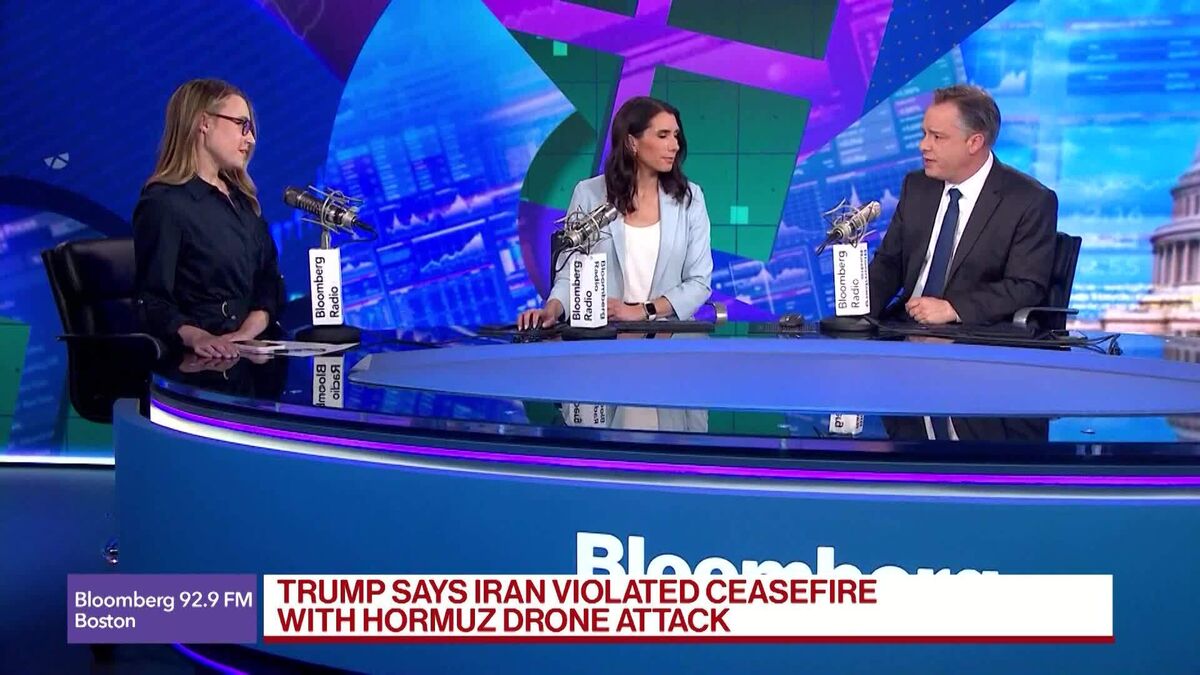
US President Donald Trump said Iran violated their ceasefire agreement by firing drones at cargo ships in the Strait of Hormuz, according to Bloomberg Markets.
US President Donald Trump said Iran violated their ceasefire agreement by firing at cargo ships transiting the Strait of Hormuz, according to Bloomberg Markets. In a social media post Friday, Trump said at least four one-way attack drones targeted ships in the waterway. The reported incident raises questions about the stability of the ceasefire arrangement and the security of one of the world's most strategically important maritime chokepoints.
Key Takeaways
US President Donald Trump said Iran fired at least four one-way attack drones at cargo ships in the Strait of Hormuz, according to Bloomberg Markets.
Trump stated the reported drone attack violated their ceasefire agreement, according to the source context.
The Strait of Hormuz is a critical global energy transit route, and security incidents in the waterway can influence oil market sentiment and geopolitical risk assessments.
The source context does not specify the date of the reported attack, the identity of the targeted ships, or the outcome of the incident.
Table of Contents
What Happened
Political Context
Who Is Affected
What to Watch Next
What Happened
US President Donald Trump said Iran violated their ceasefire agreement by firing at cargo ships in the Strait of Hormuz, according to Bloomberg Markets. In a social media post Friday, Trump said at least four one-way attack drones targeted ships transiting the waterway.
The source context does not specify the date of the reported attack, the identity of the targeted ships, the outcome of the incident, or whether any vessels were damaged or crew members injured. The source context does not provide details about the terms of the ceasefire agreement, when it was reached, or what specific actions constitute a violation under the agreement.
The available source context does not identify whether the US government, international organizations, or other parties have independently confirmed the reported drone attack or the claimed ceasefire violation.
Political Context
The Strait of Hormuz is a narrow waterway between the Persian Gulf and the Gulf of Oman, serving as a critical transit route for global energy shipments. Security incidents in the strait have historically influenced oil market sentiment, geopolitical risk assessments, and international diplomatic efforts.
For readers following broader market updates , developments in the region can help frame energy market context and risk premium considerations.
Ceasefire agreements between the United States and Iran have been the subject of diplomatic negotiations in recent years, though the source context does not specify the terms, scope, or timeline of the ceasefire arrangement referenced by Trump. The reported drone attack, if confirmed, would represent a significant escalation in tensions and could prompt diplomatic responses, sanctions discussions, or military posture adjustments.
The source context does not identify whether the US government has announced any immediate policy response or diplomatic measures following the reported incident.
Who Is Affected
Cargo ships transiting the Strait of Hormuz could face heightened security risks if the reported drone attack represents a broader pattern of maritime threats in the waterway. Shipping companies, insurers, and energy market participants often monitor security developments in the strait to assess transit risks, insurance premiums, and supply chain reliability.
The source context does not specify whether any ships were damaged, whether crew members were injured, or whether shipping routes have been altered following the reported incident.
Energy markets could be affected by security incidents in the Strait of Hormuz, as the waterway handles a significant portion of global oil and liquefied natural gas shipments. Traders and analysts often watch for supply disruption risks, risk premium adjustments, and geopolitical developments that could influence energy prices. The source context does not include oil price reactions, trading volume changes, or market analyst commentary following the reported drone attack.
What to Watch Next
Market readers may watch for additional details about the reported drone attack, including the date of the incident, the identity of the targeted ships, and whether any vessels were damaged. Future disclosures from the US government, international maritime organizations, or shipping companies could provide clarity about the scope and impact of the reported incident.
The source context does not specify whether the US government has released a formal statement, intelligence assessment, or diplomatic response beyond Trump's social media post.
Readers may also monitor future developments related to the ceasefire agreement, including whether the US government or international partners take diplomatic or military action in response to the reported violation. Energy market participants may watch for oil price movements, risk premium adjustments, or supply chain disruptions related to security concerns in the Strait of Hormuz. The source context does not identify any scheduled diplomatic meetings, policy announcements, or international responses following the reported incident.
Read original source