market
Trump Demands DOJ Review on Gas Prices as Pump Relief Lags
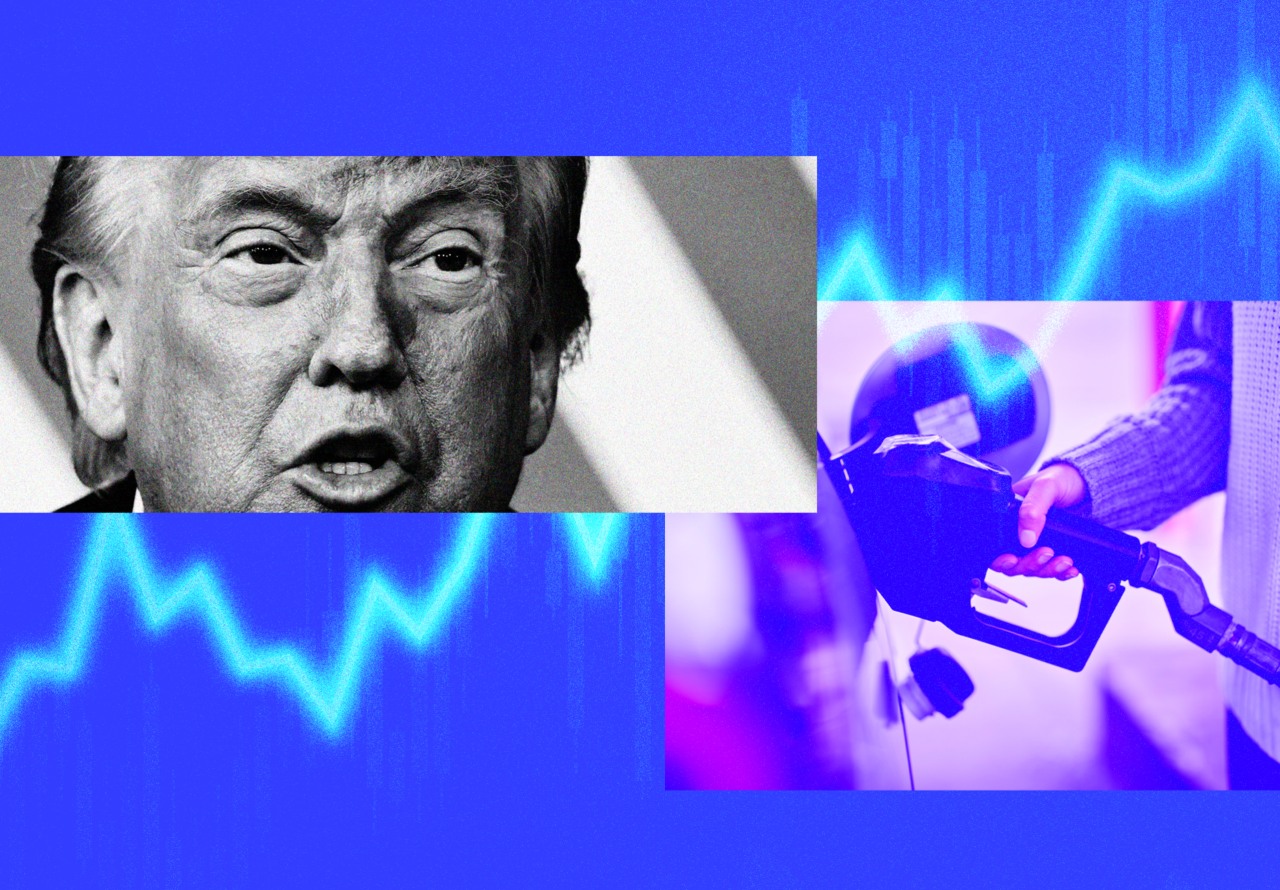
President Trump calls for DOJ investigation into slow gas price declines at the pump. MarketWatch identifies four practical factors affecting fuel relief.
President Trump has called on the Department of Justice to investigate why gas prices are not declining faster at the pump, according to MarketWatch. The demand comes as drivers await relief from elevated fuel costs, with the source identifying four practical factors influencing the pace of price changes at retail gasoline stations. The move highlights ongoing political pressure surrounding consumer energy costs and the complex dynamics between crude oil markets and retail fuel pricing.
Key takeaways
President Trump has requested a DOJ investigation into the slow pace of gas price declines at the pump
MarketWatch identifies four practical factors affecting the speed of retail gasoline price relief
Retail fuel pricing involves multiple market layers between crude oil costs and pump prices (general context)
Political pressure on fuel costs reflects broader consumer sensitivity to energy price movements (general context)
Table of Contents
What happened
Why it matters
What to watch next
What happened
President Trump has directed the Department of Justice to examine why gasoline prices are not falling more rapidly at retail pumps, according to reporting from MarketWatch. The source indicates that Trump is demanding answers on the pace of price relief for drivers. MarketWatch has outlined four practical factors that are currently at play in determining how quickly fuel price changes reach consumers at the pump, though the specific details of these factors are not elaborated in the available source material.
The presidential demand for a DOJ review signals heightened political attention to consumer fuel costs. The source frames the issue around driver expectations for relief, suggesting a gap between anticipated price declines and actual retail pricing movements. The timing of this demand, reported on June 24, 2026, places it within a broader context of energy market dynamics and political scrutiny of fuel pricing mechanisms across the United States retail gasoline sector.
Why it matters
Gasoline prices represent one of the most visible and politically sensitive consumer costs in the United States economy. Retail fuel pricing affects household budgets, transportation costs, and broader inflation perceptions. When crude oil prices decline, consumers typically expect corresponding relief at the pump, but the transmission mechanism between wholesale energy markets and retail stations involves multiple steps including refining margins, distribution costs, station operating expenses, and competitive dynamics in local markets. These layers can create time lags and asymmetries in how price changes flow through to drivers.
Political pressure on fuel pricing is not uncommon during periods of elevated energy costs or when price relief appears slow to materialize. Government scrutiny of pricing practices can focus on market competition, potential coordination among retailers, supply chain bottlenecks, or regional pricing disparities. For investors and market participants, such investigations can affect sentiment in energy equities, refining stocks, and retail fuel distribution companies. The broader energy sector watches these developments closely, as regulatory or legal actions stemming from such reviews can influence operating practices, margin structures, and competitive behavior across the gasoline retail landscape.
What to watch next
Market participants should monitor any formal announcements from the Department of Justice regarding the scope, timeline, or findings of any investigation into gasoline pricing practices. Such reviews can take weeks or months to complete and may result in public reports, regulatory recommendations, or enforcement actions if pricing irregularities are identified. Investors in energy sector equities, particularly refiners and retail fuel distributors, will be sensitive to any developments that could affect margin structures or competitive practices in the gasoline market.
Additionally, tracking the relationship between crude oil prices, wholesale gasoline futures, and retail pump prices will provide insight into whether the pace of price transmission changes in response to political pressure or market conditions. Regional variations in fuel pricing, refining capacity utilization, and seasonal demand patterns all influence how quickly retail prices adjust. Observers should also note whether other political figures or regulatory bodies join calls for scrutiny of fuel pricing, as coordinated pressure can amplify market and industry responses. The four practical factors identified by MarketWatch, once detailed, will likely provide a framework for understanding the specific bottlenecks or market dynamics currently affecting price relief for drivers.
Read original source