tech-ai
Trump Rhetoric Risks Iran Nuclear Talks, Former Official Warns
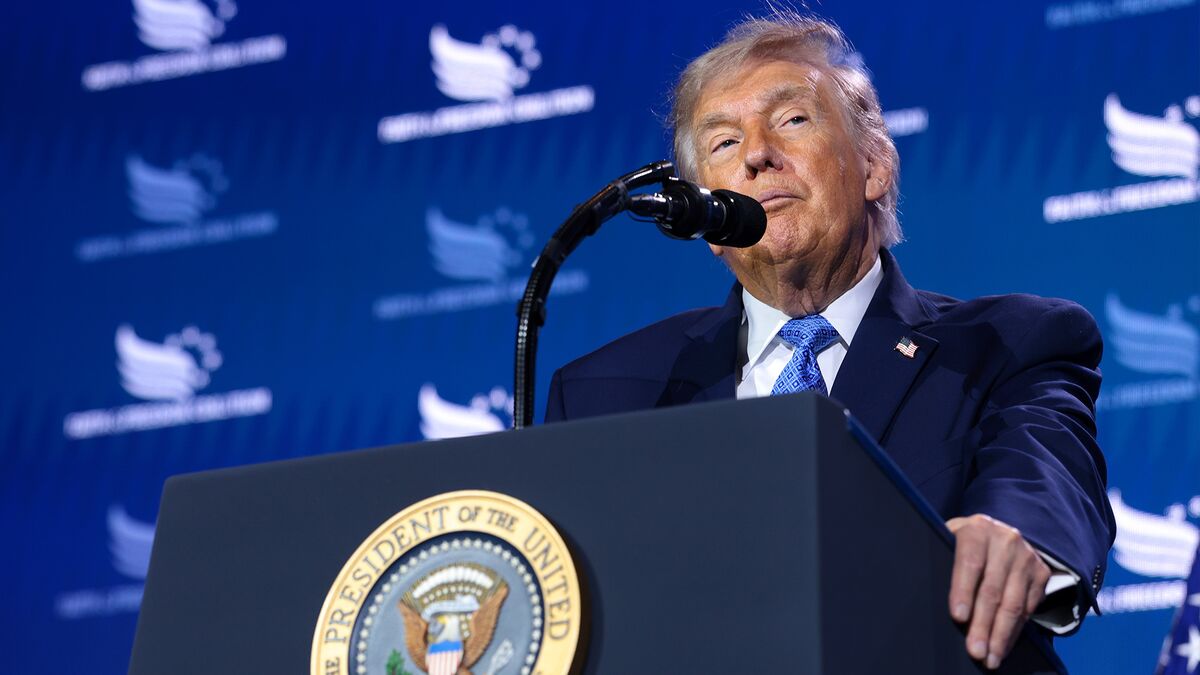
Former Deputy National Security Advisor Ben Rhodes warned that Trump rhetoric risks undermining Iran nuclear negotiations by strengthening hardliners.
Former Deputy National Security Advisor Ben Rhodes warned that President Donald Trump's public threats and rhetoric risk undermining Iran nuclear talks by strengthening Iranian hardliners and making it harder for negotiators to secure an agreement, according to Bloomberg Markets.
While the Iran ceasefire remains intact despite recent exchanges of fire, Rhodes cautioned that the fragile diplomatic environment could unravel if tit-for-tat strikes escalate or hardliners on either side gain the upper hand.
Key Takeaways
Former Deputy National Security Advisor Ben Rhodes warned that Trump's public threats risk undermining Iran nuclear negotiations by strengthening hardliners, according to Bloomberg Markets.
The Iran ceasefire remains intact despite recent exchanges of fire, but Rhodes cautioned it could unravel if tit-for-tat strikes escalate.
Rhodes argued that Trump's rhetoric makes it harder for negotiators to secure a nuclear agreement by empowering hardliners on both sides.
For market readers, geopolitical developments involving Iran can influence energy markets, defense sector sentiment, and broader risk appetite.
Table of Contents
What Happened
Political Context
Who Is Affected
What to Watch Next
What Happened
Ben Rhodes, who served as Deputy National Security Advisor during the Obama administration, appeared on Bloomberg This Weekend with hosts David Gura and Christina Ruffini to discuss the fragile state of Iran nuclear negotiations. Rhodes warned that President Trump's public threats and confrontational rhetoric risk strengthening Iranian hardliners, making it more difficult for negotiators to reach a nuclear agreement.
The former official emphasized that while the Iran ceasefire remains in place, recent exchanges of fire demonstrate the fragility of the current diplomatic environment. Rhodes argued that escalating tit-for-tat strikes or the empowerment of hardliners on either side could cause the ceasefire to unravel entirely.
The warning comes at a time when diplomatic efforts to secure a nuclear agreement face significant challenges from both domestic political pressures and regional security dynamics. Rhodes suggested that Trump's approach to public messaging could undermine the negotiating position of U.S. diplomats by giving Iranian hardliners ammunition to argue against compromise.
Political Context
Iran nuclear negotiations have been a recurring source of tension in U.S. foreign policy for more than a decade. The 2015 Joint Comprehensive Plan of Action, negotiated during the Obama administration, imposed strict limits on Iran's nuclear program in exchange for sanctions relief. The Trump administration withdrew from the agreement in 2018, reimposing sanctions and adopting a maximum pressure campaign.
Subsequent efforts to revive or replace the agreement have faced obstacles from shifting political priorities, regional security concerns, and domestic opposition in both countries. Rhodes' warning reflects a broader debate about the role of public rhetoric in diplomatic negotiations.
Former officials and foreign policy experts have often argued that public threats can complicate negotiations by forcing counterparts to adopt more rigid positions to avoid appearing weak domestically. In the case of Iran, hardliners within the Iranian government have historically used U.S. threats to argue against engagement and to justify their own more confrontational policies.
Who Is Affected
The outcome of Iran nuclear talks has implications for a range of stakeholders beyond the immediate diplomatic participants. Energy markets can be sensitive to geopolitical developments involving Iran, given the country's role as a major oil producer and the potential for sanctions or conflict to disrupt supply.
Defense sector companies and investors often monitor Middle East tensions closely, as escalation can influence government spending priorities and regional security partnerships. Broader market sentiment can also be affected by geopolitical risk, particularly when uncertainty involves potential military conflict or sanctions that could impact global trade and energy flows.
For readers following broader market updates , geopolitical developments involving Iran can help frame the wider context for energy prices, defense sector performance, and risk appetite.
Diplomatic negotiations, ceasefire stability, and the potential for escalation are all factors that market participants may consider when evaluating exposure to energy, defense, and emerging market assets. While the direct market impact of any single diplomatic warning is difficult to predict, the cumulative effect of geopolitical uncertainty can influence investor positioning and volatility.
What to Watch Next
Market readers may monitor future developments in Iran nuclear negotiations, including any official statements from U.S. or Iranian negotiators, changes in the ceasefire status, or reports of additional exchanges of fire. Public rhetoric from President Trump and responses from Iranian officials could provide insight into the trajectory of diplomatic efforts and the likelihood of escalation.
Energy market participants may watch for any disruptions to Iranian oil exports or changes in sanctions enforcement that could affect global supply dynamics. Investors tracking defense sector companies may also consider how Middle East tensions influence government spending priorities and regional security partnerships.
Broader market sentiment could be affected by any significant escalation or de-escalation in the diplomatic environment, particularly if developments influence expectations for energy prices, inflation, or geopolitical risk. Future disclosures from U.S. officials, Iranian government statements, and independent reporting on ceasefire stability will be important sources of information for readers seeking to understand the evolving situation.
Read original source