market
UAE Oil Exports Recover to 85% of Pre-War Levels, IEA Reports
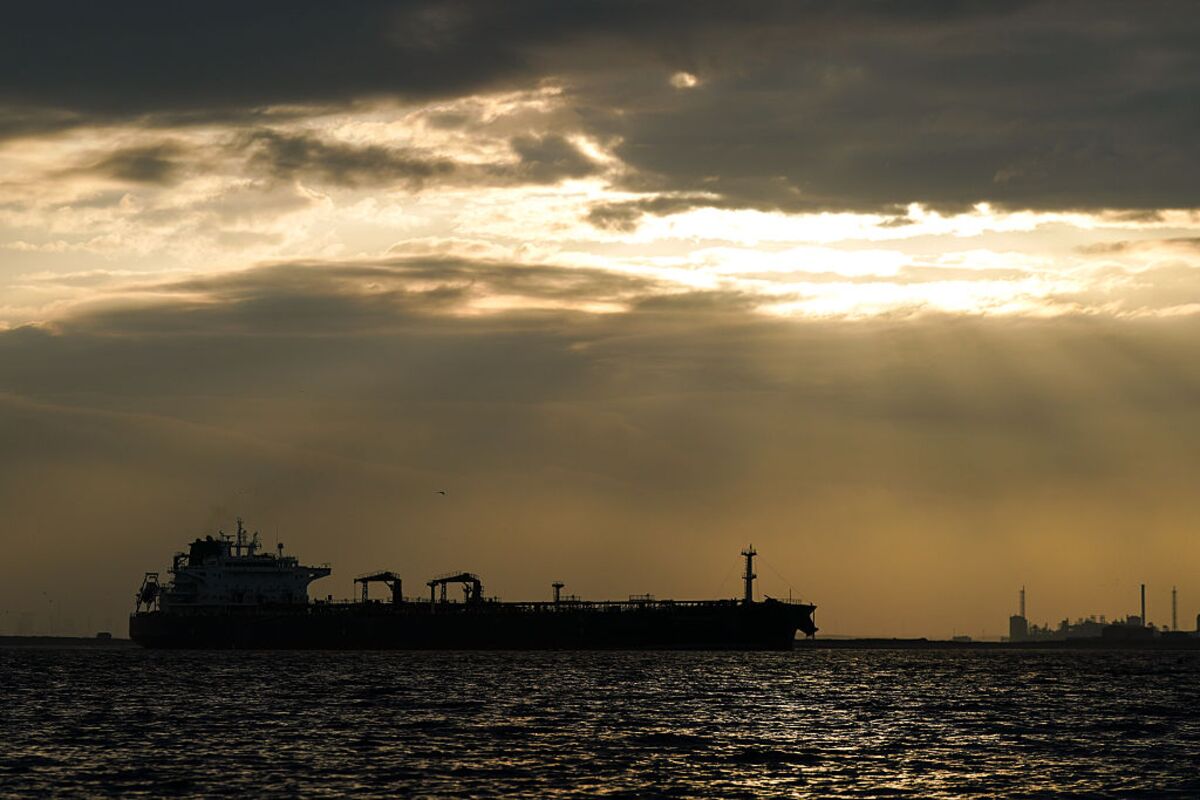
UAE oil exports reached 85% of pre-Iran war levels in early June, using pipelines, storage, and alternate routes before the U.S.-Tehran peace deal.
According to Bloomberg Markets, oil exports from the United Arab Emirates in early June recovered to nearly 85% of the country's pre-Iran war levels, marking a significant rebound in Gulf energy flows. The International Energy Agency reported that the recovery occurred even before Washington and Tehran signed an interim peace deal, as the UAE utilized pipelines, storage facilities, and alternate shipping routes to maintain export capacity during the conflict period.
Key takeaways
UAE oil exports reached approximately 85% of pre-war levels in early June 2026, according to an International Energy Agency report
The recovery occurred before the United States and Iran finalized an interim peace agreement
The UAE deployed pipelines, storage infrastructure, and alternate shipping routes to restore export capacity
Gulf energy exporters maintain strategic flexibility through diversified transportation infrastructure, a general principle demonstrated by this recovery
Table of Contents
What happened
Infrastructure enabling the recovery
Why it matters
What to watch next
What happened
The International Energy Agency documented that United Arab Emirates oil exports in early June 2026 climbed to nearly 85% of the volumes the country shipped before the Iran war disrupted regional energy flows. Bloomberg Markets reported that this recovery milestone was achieved before Washington and Tehran completed negotiations on an interim peace deal, indicating that the UAE's export infrastructure proved resilient during the conflict period. The recovery demonstrates the Gulf nation's ability to maintain substantial petroleum flows even under geopolitical stress.
The IEA report specifically credited the UAE's use of pipelines, storage capacity, and alternate shipping routes as the mechanisms enabling this export recovery. These infrastructure assets allowed the country to circumvent disruptions that typically affect maritime chokepoints and traditional shipping lanes during regional conflicts. The 85% recovery rate represents a substantial restoration of the UAE's role as a major global oil supplier, though it remains below the full pre-war export capacity.
Infrastructure enabling the recovery
The UAE's ability to restore oil exports to 85% of pre-war levels relied on three key infrastructure categories mentioned in the IEA assessment: pipelines, storage facilities, and alternate shipping routes. Pipeline infrastructure allows oil producers to bypass maritime chokepoints such as the Strait of Hormuz, which can become vulnerable during regional conflicts. The UAE has invested in pipeline capacity that connects its oil fields to export terminals on different coastlines, providing geographic diversification for shipments.
Storage infrastructure plays a critical role in maintaining export continuity during disruptions by allowing producers to accumulate inventory during periods when shipping routes face constraints, then release that inventory when alternate routes become available. Alternate shipping routes encompass both different maritime paths and potentially different port facilities that can handle crude oil and petroleum product exports. Together, these three infrastructure elements create redundancy in the export system, reducing dependence on any single transportation pathway and enhancing resilience against geopolitical shocks.
Why it matters
The UAE's export recovery carries significance for global oil markets, which depend on consistent supply from Gulf producers to meet demand. The United Arab Emirates ranks among the world's top ten oil exporters, and disruptions to its shipments can affect global petroleum prices and availability. The fact that exports recovered to 85% of pre-war levels before a formal peace agreement suggests that infrastructure investments and operational flexibility can partially offset geopolitical risks in energy supply chains.
For energy market participants, this development illustrates the importance of transportation infrastructure diversity in maintaining supply reliability. Oil-importing nations and companies monitor Gulf export capacity closely because disruptions can trigger price volatility and supply shortages. The IEA's documentation of this recovery provides market participants with data on how quickly major exporters can restore flows after conflict-related disruptions. The 15% gap between current exports and pre-war levels also indicates that full recovery had not yet occurred as of early June, meaning some supply constraints persisted despite the infrastructure workarounds.
What to watch next
Market participants will monitor whether UAE oil exports continue climbing toward 100% of pre-war levels following the interim peace deal between the United States and Iran. The agreement's terms and implementation timeline will influence whether remaining export constraints ease further. Observers will also track whether other Gulf producers experienced similar export recoveries during the same period, as the IEA report focused specifically on the UAE's performance.
The sustainability of the 85% recovery rate depends on whether the alternate shipping routes and infrastructure workarounds can handle sustained high-volume flows or whether they served primarily as temporary solutions during the conflict. Energy analysts will examine subsequent IEA reports and shipping data to determine if the UAE maintains this export level or if additional capacity comes online. The gap between 85% and full pre-war capacity represents the portion of UAE oil supply that remains constrained, and closing that gap will signal complete normalization of the country's export operations.
Read original source