market
Uber Invests $500M in Robotaxis as Waymo Competition Heats Up
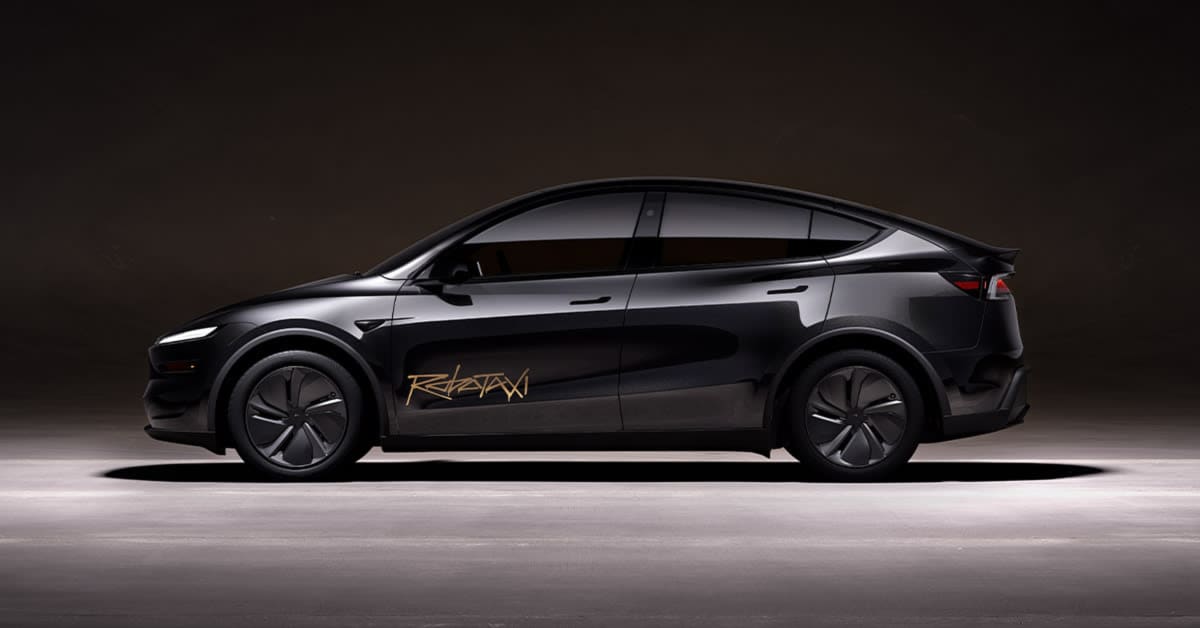
Uber is writing $500 million checks to secure robotaxi partnerships as Waymo and Tesla compete in autonomous ride-hailing, according to MarketWatch.
According to MarketWatch, Uber is writing $500 million checks to lock in robotaxi partnerships as Waymo threatens to leave it behind in the autonomous ride-hailing race. The report highlights that while Tesla and Waymo compete directly in robotaxi development, Uber—a company that builds no cars—is emerging as the largest spender in securing access to autonomous vehicle fleets. The investment strategy positions Uber as a platform aggregator rather than a vehicle manufacturer in the evolving mobility landscape.
Key takeaways
Uber is writing $500 million checks to secure robotaxi partnerships, according to MarketWatch reporting
Waymo poses a competitive threat to Uber's ride-hailing platform dominance
Uber's strategy focuses on platform aggregation rather than vehicle manufacturing, contrasting with Tesla and Waymo's vertically integrated approaches
The autonomous ride-hailing market is seeing significant capital deployment across different business models
Table of Contents
What happened
Why it matters
What to watch next
What happened
MarketWatch reports that Uber is quietly deploying $500 million checks to lock in robotaxi partnerships. This investment approach comes as Waymo, the autonomous vehicle subsidiary of Alphabet, threatens to bypass Uber's platform entirely. The report frames the competitive landscape as a three-way race involving Tesla, Waymo, and Uber, with each company pursuing distinct strategies toward autonomous ride-hailing dominance. Notably, Uber builds no vehicles itself, distinguishing its capital deployment from the manufacturing-focused approaches of Tesla and Waymo.
The source characterizes Uber as the company spending the most in the robotaxi space despite its non-manufacturing status. While Tesla and Waymo are described as dueling in the robotaxi race through vehicle development, Uber's strategy centers on securing fleet access through financial partnerships. The $500 million investment scale suggests Uber views autonomous vehicle integration as critical to maintaining its position in the ride-hailing market as the technology matures and competitors develop direct-to-consumer autonomous services.
Why it matters
The autonomous ride-hailing market represents a fundamental shift in urban mobility economics. Traditional ride-hailing platforms like Uber rely on human drivers who capture a significant portion of fare revenue. Autonomous vehicles promise to eliminate driver costs, potentially transforming unit economics for whoever controls the technology and customer relationships. Companies pursuing vertical integration—building both vehicles and operating services—compete against platform aggregators that partner with multiple vehicle providers. Each model carries distinct capital requirements, scalability characteristics, and competitive risks.
Uber's $500 million investment strategy reflects the platform's need to secure autonomous vehicle supply before manufacturers establish direct consumer relationships that could bypass intermediaries entirely. Waymo's threat to leave Uber behind suggests the autonomous vehicle developer may operate its own ride-hailing service rather than supplying vehicles to third-party platforms. This dynamic mirrors historical technology transitions where platform owners and technology providers competed for value capture. For investors and market participants, the capital deployment patterns signal how major mobility companies assess the strategic importance of autonomous vehicle access versus ownership in the coming competitive landscape.
What to watch next
Market participants should monitor whether Uber's partnership investments successfully secure long-term fleet access or whether autonomous vehicle manufacturers choose to operate independent ride-hailing services. The competitive outcome will likely depend on regulatory frameworks, consumer preferences for branded versus aggregated services, and the capital efficiency of different business models. Waymo's strategic decisions regarding platform partnerships versus direct operations will provide important signals about how autonomous vehicle developers view value distribution in the emerging market structure.
Additional factors to track include the terms of Uber's robotaxi partnerships, particularly regarding exclusivity, pricing, and data sharing. The pace of Tesla's robotaxi development and commercialization will also influence competitive dynamics, as will any regulatory approvals or restrictions affecting autonomous vehicle deployment in major metropolitan markets. Investors should watch for disclosure of partnership details, fleet deployment timelines, and any shifts in capital allocation priorities as the autonomous ride-hailing market evolves from pilot programs toward commercial scale.
Read original source