market
UK Issues Energy Supply Warning as Heat Wave Strains Grid
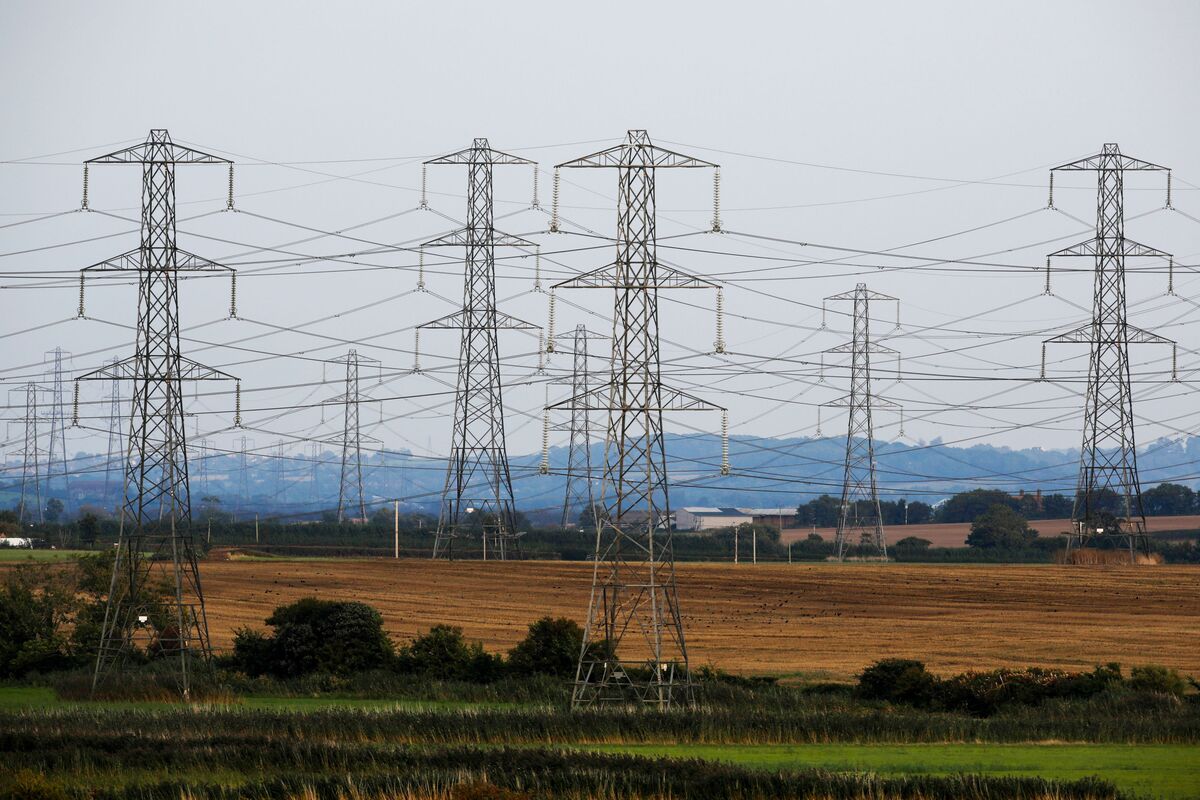
UK grid operator issued a rare summer power supply warning for Wednesday evening as soaring temperatures from a heat wave stress the energy system.
The United Kingdom's grid operator issued a rare summer power supply warning for Wednesday evening as soaring temperatures placed stress on the energy system, according to Bloomberg Markets. The UK energy supply warning marks an unusual event for the summer season, when power demand typically remains lower than winter peaks. The alert highlights the growing challenge of managing electricity grids during extreme weather conditions as climate patterns shift and energy infrastructure faces new operational pressures.
Key takeaways
The UK grid operator issued a rare summer power supply warning for Wednesday evening, June 23, 2026
Soaring temperatures from a heat wave are putting stress on the country's energy system
Summer power supply warnings are uncommon, as electricity demand typically peaks during winter heating season (general context)
Grid operators balance supply and demand in real time, with extreme weather creating operational challenges (general context)
Table of Contents
What happened
Why it matters
What to watch next
What happened
The UK's grid operator issued a power supply warning for Wednesday evening as the country experiences a heat wave with soaring temperatures. According to Bloomberg Markets, the alert represents a rare occurrence for the summer months, when electricity demand normally sits well below winter levels. The warning indicates that the energy system is under stress from the elevated temperatures affecting the region.
Grid operators typically issue supply warnings when the margin between available generation capacity and expected demand narrows to levels that require heightened monitoring or potential intervention (general context). The timing of this alert during summer conditions makes it noteworthy, as the UK electricity system usually faces its greatest challenges during cold winter evenings when heating demand surges and daylight hours are limited (general context). The specific warning applies to Wednesday evening, suggesting that peak demand during the hottest part of the day combined with evening consumption patterns created the supply concern.
Why it matters
Power grid stability depends on maintaining a constant balance between electricity generation and consumption at every moment (general context). When extreme weather events occur, this balance becomes more difficult to maintain (general context). Heat waves increase electricity demand through air conditioning and cooling systems, while simultaneously reducing the efficiency of thermal power plants and transmission infrastructure (general context). High ambient temperatures can force generators to reduce output to avoid overheating, and transmission lines lose efficiency as conductors expand in the heat (general context).
The occurrence of a summer supply warning in the UK reflects broader trends affecting electricity systems globally (general context). As climate patterns shift, grid operators face more frequent extreme weather events that stress infrastructure designed for historical temperature ranges (general context). Many European countries, including the UK, have traditionally focused grid planning on winter peak demand scenarios (general context). Summer heat waves introduce different operational challenges, including higher cooling loads, reduced thermal plant efficiency, and potential strain on aging infrastructure (general context). Energy markets respond to supply warnings through price signals, operational adjustments, and in some cases demand reduction measures (general context).
What to watch next
Market participants should monitor whether the UK grid operator issues additional warnings as the heat wave continues or if temperatures moderate. The resolution of Wednesday evening's supply situation will indicate whether the warning was precautionary or whether actual supply interventions became necessary. Grid operators have several tools available when supply margins tighten, including calling on reserve generation capacity, requesting voluntary demand reduction from large industrial users, or in extreme cases implementing controlled disconnections (general context).
Longer-term implications include how grid operators and policymakers respond to the growing frequency of summer supply challenges (general context). Infrastructure investment decisions, generation capacity planning, and demand-side management programs may need adjustment if summer peaks begin approaching or exceeding winter peaks (general context). Energy traders should watch for any updates on the duration of the current heat wave, weather forecasts for the coming days, and official statements from the grid operator regarding system conditions. Wholesale electricity prices for near-term delivery will reflect any ongoing supply tightness, while longer-dated contracts may adjust if market participants reassess summer supply risk premiums for future years (general context).
Read original source