market
UK Modifies Steel Import Safeguards After Industry Complaints
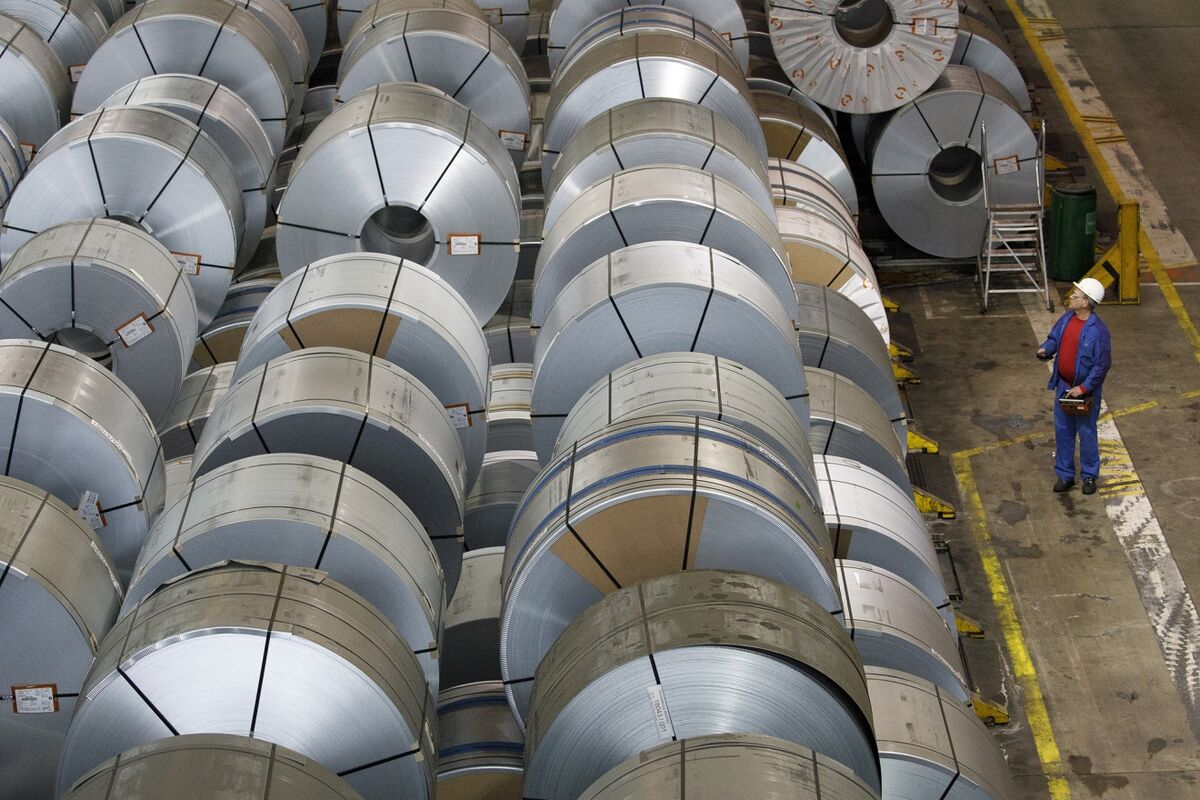
The UK adjusted proposed steel import safeguards following complaints from steel-using businesses concerned about production impacts on their operations.
The United Kingdom has modified proposed steel import safeguards following complaints from businesses that use the alloy, according to Bloomberg Markets. The adjustments come after steel-consuming industries warned that curbs designed to support the country's struggling steel sector would harm their own manufacturing operations. The development highlights the tension between protecting domestic steel producers and maintaining competitive conditions for downstream manufacturers that rely on imported steel.
Key takeaways
The UK adjusted proposed steel safeguards after businesses using steel raised concerns about production impacts
The original curbs were designed to support the UK's ailing domestic steel industry
Steel-consuming industries warned the import restrictions would damage their manufacturing operations
Trade safeguards often create tension between upstream producers seeking protection and downstream manufacturers requiring competitive input costs
Table of Contents
What happened
Why it matters
What to watch next
What happened
The UK government modified its proposed steel import safeguards in response to industry feedback. According to Bloomberg Markets, businesses that use steel as a manufacturing input complained that the proposed curbs would negatively affect their production capabilities. The original safeguard measures were intended to provide relief to the UK's steel industry, which has faced ongoing challenges in recent years.
The modification represents a policy adjustment that attempts to balance competing interests within the UK manufacturing sector. Steel-using businesses argued that import restrictions would limit their access to competitively priced materials, potentially undermining their ability to produce goods efficiently. The government's decision to revise the safeguards suggests policymakers weighed these downstream concerns against the protective measures sought by domestic steel producers.
Why it matters
Steel safeguards are trade policy tools that governments use to protect domestic industries from import surges that may cause serious injury to local producers. These measures typically take the form of tariff-rate quotas or additional duties on imported steel products. While safeguards can provide breathing room for struggling domestic steel mills, they also raise input costs for manufacturers in sectors such as automotive, construction, machinery, and appliances that depend on steel as a raw material.
The UK steel industry has faced structural challenges including high energy costs, global overcapacity, and competition from lower-cost producers. At the same time, the UK manufacturing sector includes thousands of businesses that fabricate steel into finished products, employing workers across multiple regions. Trade policy decisions affecting steel imports therefore involve complex economic trade-offs between protecting jobs in steel production versus maintaining competitiveness in steel-consuming industries. The government's willingness to modify the safeguards indicates sensitivity to the broader manufacturing ecosystem and the risk that overly restrictive import measures could shift competitive disadvantage from one part of the supply chain to another.
What to watch next
Observers should monitor the specific details of the modified safeguard measures, including which steel product categories remain subject to restrictions, the level of tariffs or quotas applied, and any exemptions granted for particular grades or specifications. The final policy framework will determine whether the adjustments adequately address the concerns raised by steel-using industries while still providing meaningful support to domestic steel producers.
Industry groups representing both steel makers and steel consumers are likely to continue engaging with policymakers as implementation details emerge. The broader context for UK steel policy includes ongoing discussions about industrial strategy, decarbonization of heavy industry, and post-Brexit trade relationships. Steel safeguards interact with other policy areas such as carbon border adjustments, energy subsidies for energy-intensive industries, and bilateral trade agreements that may include provisions affecting steel trade. Market participants should also watch for any legal challenges to the safeguards under World Trade Organization rules, as safeguard measures must meet specific criteria regarding serious injury and causation.
Read original source