tech-ai
US Conducts Fresh Strikes in Iran After Second Ship Hit
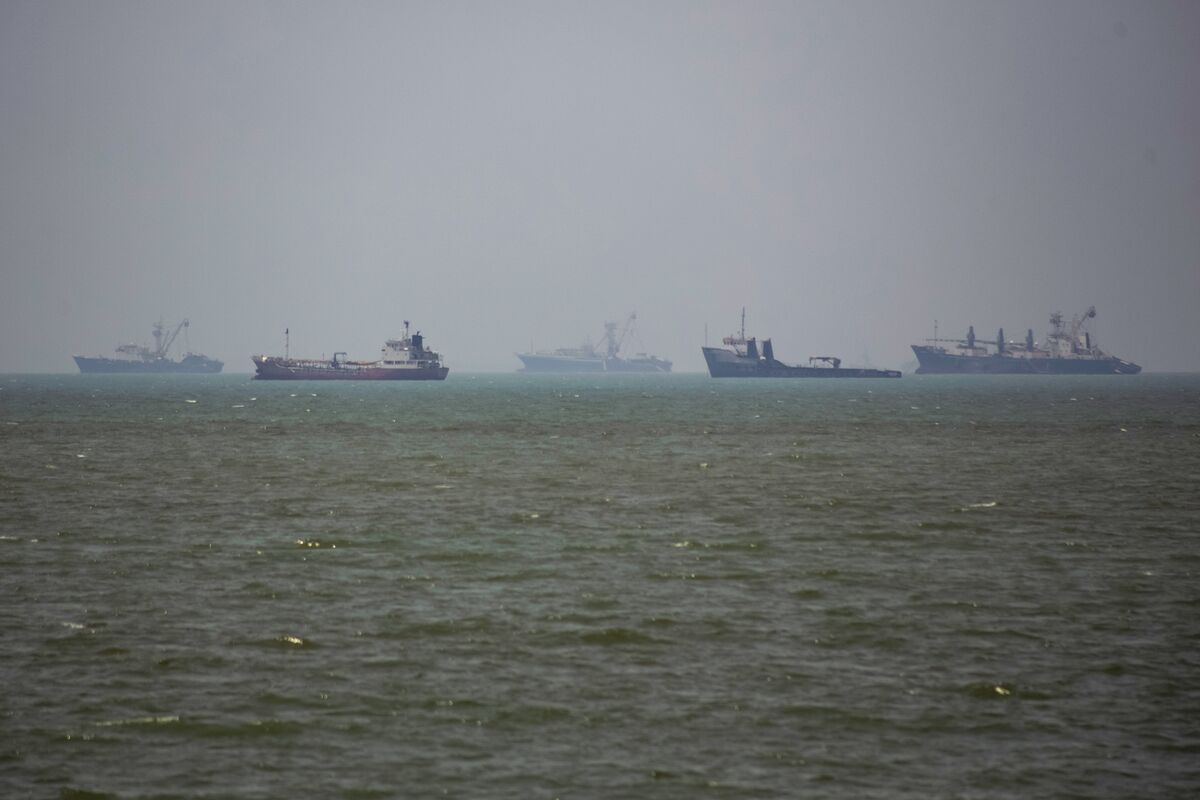
US military conducted fresh strikes against multiple targets in Iran on Saturday, Bloomberg Markets reported, following a second ship incident.
The United States military conducted a fresh round of strikes against multiple targets in Iran on Saturday, according to Bloomberg Markets. The military action followed a second ship incident, though the source context does not provide additional operational details about the targets, timing, or specific ship events that preceded the strikes.
Key takeaways
US military conducted fresh strikes against multiple targets in Iran on Saturday, according to Bloomberg Markets
The strikes followed a second ship incident, though operational details remain limited in the available source context
Military escalation in the region can influence energy markets, defense sector attention, and geopolitical risk assessment
Market readers should monitor future official disclosures, energy price behavior, and additional reporting for operational clarity
Table of Contents
What happened
Why it matters
What to watch next
What happened
Bloomberg Markets reported that the US military conducted a fresh round of strikes against multiple targets in Iran on Saturday. The military action occurred after a second ship was hit, according to the source context. The source does not specify the nature of the targets, the geographic locations within Iran, the military assets involved, or the operational timeline beyond the Saturday date.
Why it matters
Military escalation involving the United States and Iran can influence energy markets, defense sector attention, and geopolitical risk assessment. Investors often monitor developments in the region because they can affect oil supply routes, shipping insurance costs, and broader market sentiment around geopolitical stability. The Strait of Hormuz, a critical global oil transit chokepoint, is located near Iran, and military activity in the region can raise questions about energy security and supply chain risk.
For readers following broader market updates , military developments in the Middle East can matter because they may influence energy prices, defense contractor activity, and risk-off positioning in equity and commodity markets. The source context does not confirm market reaction, oil price movement, or specific asset impact, so readers should treat this as a confirmed headline with limited operational detail until additional disclosures become available.
What to watch next
Market readers should monitor future official disclosures from the US Department of Defense, State Department, or other government sources for operational details, casualty reports, and diplomatic context. Energy market participants may watch oil price behavior, shipping route updates, and any statements from regional governments or international organizations. The source context does not provide information about whether additional military action is planned, whether diplomatic efforts are underway, or whether the incident will escalate further.
Investors may also watch for updates on the second ship incident, including the vessel's identity, flag, cargo, and the circumstances of the hit. Defense sector activity, energy sector volatility, and geopolitical risk indicators such as the VIX or gold prices may offer additional market context. Without further details, readers should treat the event as a confirmed military action with limited publicly available operational information at this time.
Read original source