market
US Inflation Climbs to 4.1% as Consumer Spending Rises in May
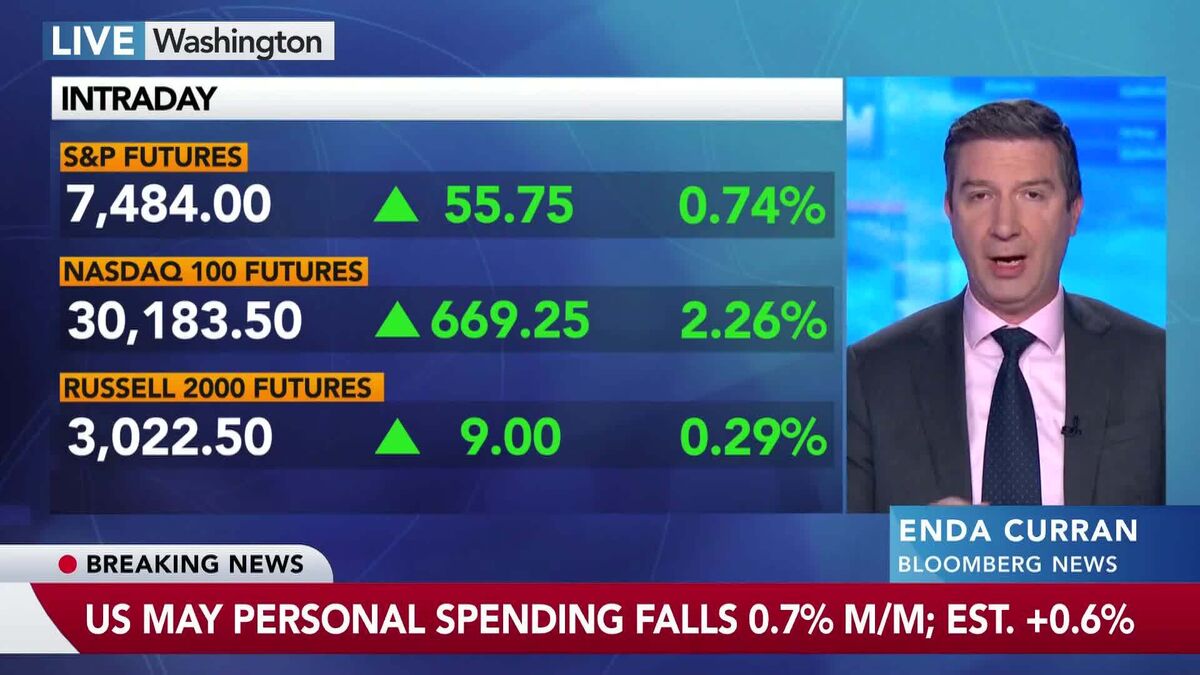
US inflation rose 4.1% year-over-year in May 2026 as consumer spending accelerated 0.3%, according to Bloomberg Markets, raising questions for investors.
US consumer spending accelerated in May 2026 even as prices rose at the fastest pace in more than three years, according to Bloomberg Markets. Inflation-adjusted consumer spending rose 0.3% from a month earlier, while the personal consumption expenditures price index rose 4.1% last month from a year earlier, the source reported. The data raises questions for investors tracking inflation trends, Federal Reserve policy expectations, and consumer resilience in a rising-price environment.
Key Takeaways
US consumer spending rose 0.3% in May 2026 on an inflation-adjusted basis, according to Bloomberg Markets.
The personal consumption expenditures price index rose 4.1% year-over-year in May, the fastest pace in more than three years.
The data may influence investor expectations for Federal Reserve policy, consumer sector performance, and inflation-sensitive asset classes.
Market readers may watch future economic data releases, Federal Reserve communications, and consumer spending trends in coming months.
Table of Contents
What the Data Showed
Why Inflation and Spending Matter for Markets
Consumer Resilience and Price Pressures
What to Watch Next
What the Data Showed
Bloomberg Markets reported that US consumer spending rose 0.3% in May 2026 on an inflation-adjusted basis, indicating that households continued to spend despite rising prices. The personal consumption expenditures price index, a key inflation measure tracked by the Federal Reserve, rose 4.1% from a year earlier, marking the fastest annual increase in more than three years. The source attributed the report to Enda Curran.
The data reflects both nominal spending growth and the impact of price increases on purchasing power. The source context does not specify the month-over-month change in the PCE price index, the core PCE inflation rate excluding food and energy, or the breakdown of spending by category. The available data confirms that consumer spending remained positive in real terms even as inflation accelerated, a combination that can influence monetary policy expectations and market sentiment.
Why Inflation and Spending Matter for Markets
For investors, inflation and consumer spending data matter because they influence Federal Reserve policy decisions, interest rate expectations, and asset class performance. Rising inflation can prompt central banks to maintain or raise interest rates to cool demand, which can affect bond yields, equity valuations, and borrowing costs. Consumer spending, which accounts for a significant portion of US economic activity, can signal the strength of household balance sheets, employment conditions, and economic momentum.
The combination of rising inflation and continued spending growth can create uncertainty for market participants. On one hand, resilient consumer spending may support revenue growth for consumer-facing companies. On the other hand, persistent inflation may lead to tighter monetary policy, higher discount rates for equity valuations, and increased volatility in rate-sensitive sectors.
For readers following broader market updates , this development can help frame the wider news context around inflation, consumer behavior, and policy expectations.
Consumer Resilience and Price Pressures
The reported 0.3% increase in inflation-adjusted consumer spending suggests that households continued to allocate resources to goods and services despite the fastest price increases in more than three years. This resilience may reflect strong labor market conditions, wage growth, accumulated savings, or consumer confidence. However, the source context does not specify the drivers of spending growth, the composition of household budgets, or the sustainability of current spending patterns.
Rising prices can erode purchasing power over time, particularly for households with fixed incomes or limited wage growth. The 4.1% year-over-year increase in the PCE price index indicates that inflation remains elevated relative to the Federal Reserve's typical 2% target, though the source context does not specify the central bank's current policy stance or forward guidance. Investors may watch for signs that inflation is moderating, accelerating, or stabilizing, as well as any shifts in consumer behavior in response to price pressures.
What to Watch Next
Market readers may watch for future economic data releases, including subsequent PCE inflation reports, consumer spending updates, and employment data. Federal Reserve communications, including meeting minutes, policy statements, and official speeches, may provide additional context on how policymakers interpret inflation trends and consumer resilience. Investors may also monitor corporate earnings reports from consumer-facing companies for insights into pricing power, demand trends, and margin pressures.
The source context does not specify the Federal Reserve's next policy meeting date, the market's current interest rate expectations, or the outlook for inflation in the second half of 2026. Future disclosures from government agencies, central bank officials, and economic research institutions may help clarify whether the May data represents a temporary spike, a sustained trend, or a turning point in the inflation cycle. Readers should treat the reported figures as a confirmed data point within a broader economic narrative that remains subject to revision and interpretation.
Read original source