policy
US Jobs Report Stable but Unimpressive, BlackRock CIO Says
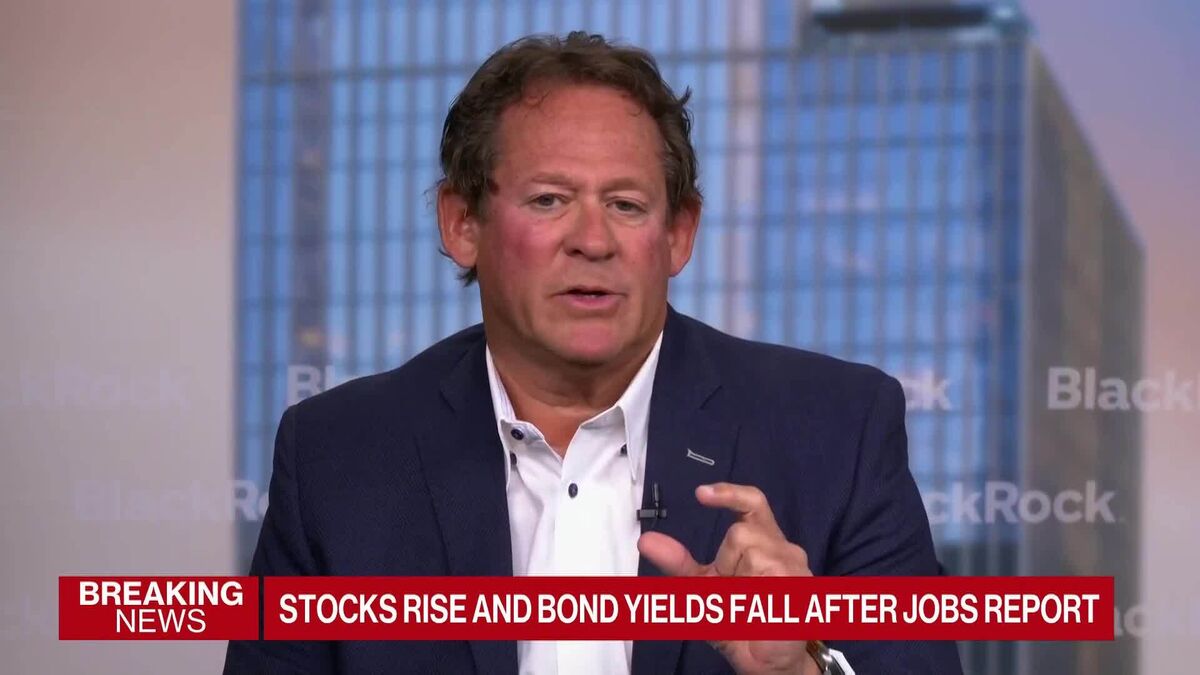
BlackRock's Rick Rieder calls June US jobs report stable but unimpressive, framing the employment picture as just OK for investors watching labor trends.
BlackRock's global fixed income chief investment officer Rick Rieder characterized the June US jobs report as stable but broadly unimpressive, describing the employment picture as just OK, according to Bloomberg Markets. Rieder's assessment frames the US jobs report as showing hiring that remains steady without delivering strong momentum, a view that matters for investors watching labor market trends and Federal Reserve policy signals.
Key takeaways
Rick Rieder, global fixed income CIO at BlackRock, described June US jobs report hiring as stable but broadly unimpressive
The employment picture was characterized as just OK, according to Bloomberg Markets
For investors, labor market assessments from major asset managers can help frame expectations for Federal Reserve policy and economic growth
Market readers may watch future monthly jobs reports and Federal Reserve commentary for updated employment trends
Table of Contents
BlackRock CIO Assesses June Employment Data
Implications for Investors and Markets
What Market Watchers Should Monitor
BlackRock CIO Assesses June Employment Data
Rick Rieder, who serves as global fixed income chief investment officer at BlackRock, examined the June US jobs report and concluded that hiring is stable but broadly unimpressive, according to Bloomberg Markets. Rieder described the overall US employment picture as just OK, a characterization that suggests the labor market is neither accelerating nor deteriorating sharply. The assessment was shared in a video segment published by Bloomberg Markets on July 2, 2026, following the release of the June employment data.
BlackRock is one of the world's largest asset managers, and Rieder's role overseeing global fixed income strategy means his views on labor market conditions carry weight with institutional investors and portfolio managers. The June US jobs report is a closely watched monthly data release that provides insight into hiring trends, unemployment rates, and wage growth. Rieder's commentary frames the report as delivering continuity rather than surprise, with hiring levels that meet baseline expectations without signaling strong momentum.
Implications for Investors and Markets
Labor market assessments matter for investors because employment data influences Federal Reserve policy decisions and economic growth expectations. When a senior fixed income strategist at a major asset manager describes hiring as stable but unimpressive, it suggests the labor market is operating in a range that may support continued economic expansion without triggering immediate policy changes. For fixed income investors, stable employment can support credit quality while limiting the risk of sharp interest rate moves.
For readers following broader market updates , labor market commentary from major asset managers can help frame expectations for upcoming Federal Reserve meetings and inflation trends. The characterization of the employment picture as just OK reflects a nuanced view of labor market health, where stable hiring indicates businesses are maintaining workforce levels while unimpressive growth may signal caution about future demand or structural shifts in labor supply.
What Market Watchers Should Monitor
Market readers may watch future monthly US jobs reports for updated data on hiring trends, unemployment rates, and wage growth. The Bureau of Labor Statistics releases employment data on a monthly schedule, and each report provides fresh insight into whether the labor market is strengthening, stabilizing, or softening. Investors may also monitor Federal Reserve commentary and meeting minutes for references to labor market conditions, as employment data is a key input into monetary policy decisions.
Additional labor market indicators to watch include jobless claims, job openings data from the JOLTS report, and private sector employment surveys. These data points can help investors assess whether the stable but unimpressive characterization holds over time or whether hiring momentum shifts. For fixed income investors, changes in labor market conditions can influence expectations for interest rate paths and duration positioning. Readers should treat Rieder's assessment as one informed perspective on the June data, and watch for additional commentary from other asset managers and Federal Reserve officials.
Read original source