markets
U.S. Oil Reserve at 40-Year Low as Government Sets New Floor
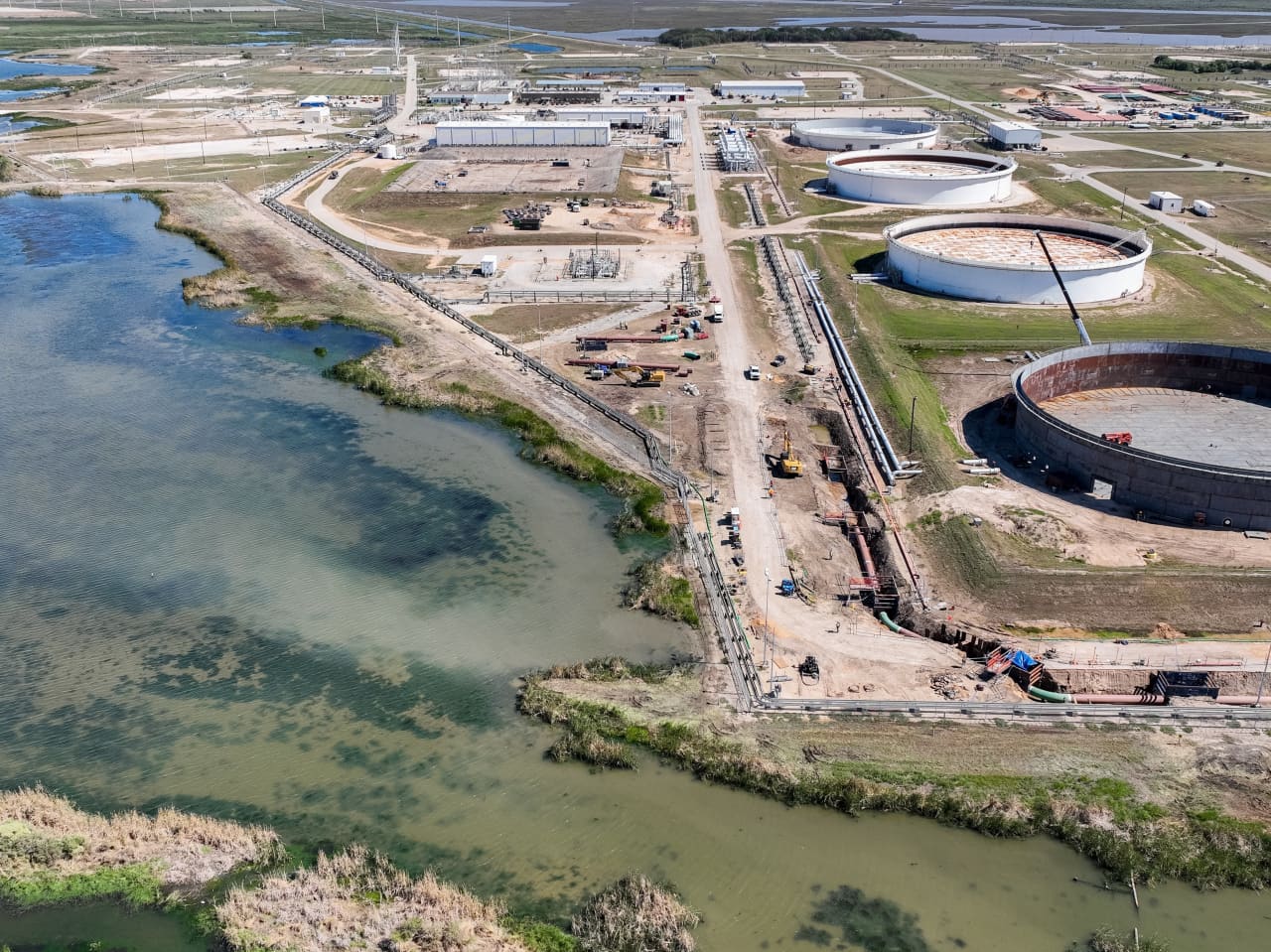
U.S. oil reserve hits 40-year low as Energy Department sets operational minimum at 70 million barrels, far below industry estimates.
The U.S. oil reserve has fallen to a 40-year low, but the Energy Department says the operational minimum for the storage caverns is about 70 million barrels, a level far lower than oil industry estimates, according to MarketWatch. The disclosure highlights a divergence between government and industry views on how much oil the Strategic Petroleum Reserve can safely hold while maintaining operational integrity.
Key takeaways
The U.S. oil reserve has reached a 40-year low, according to MarketWatch.
The Energy Department says the operational minimum for the storage caverns is about 70 million barrels.
The government's operational floor is far lower than oil industry estimates.
The disclosure raises questions about reserve management, energy security, and future refill plans.
Table of Contents
Reserve Levels and Government Assessment
Market and Policy Implications
Future Developments to Monitor
Reserve Levels and Government Assessment
MarketWatch reported that the U.S. oil reserve has fallen to a 40-year low, marking a significant decline in the nation's emergency petroleum stockpile. The Energy Department disclosed that the operational minimum for the storage caverns is about 70 million barrels, a threshold that defines the lowest level at which the reserve can function without risking damage to the underground salt caverns that hold the oil.
This government estimate is far lower than oil industry estimates, which have suggested higher minimum levels to maintain operational integrity and ensure the reserve can be drawn upon in an emergency. The divergence between government and industry views on the operational floor highlights uncertainty about how much flexibility remains in the Strategic Petroleum Reserve. The reserve was established to provide a buffer against supply disruptions, and its current level raises questions about the government's ability to respond to future energy shocks.
Market and Policy Implications
For readers following broader market updates , the U.S. oil reserve level matters because it influences energy security, crude oil market sentiment, and government policy decisions. The Strategic Petroleum Reserve serves as a tool to stabilize oil prices during supply disruptions, and a lower reserve level can reduce the government's ability to intervene in the market. When the reserve is drawn down, it can signal government concern about supply tightness or price volatility, and when it is refilled, it can indicate confidence in supply stability or a desire to rebuild emergency capacity.
The Energy Department's operational minimum estimate of 70 million barrels provides a new benchmark for assessing how much room remains before the reserve reaches a level that could compromise the storage infrastructure. Oil industry estimates have suggested higher operational floors, reflecting concerns about the physical integrity of the salt cavens and the technical challenges of extracting oil from depleted storage sites. The gap between government and industry views introduces uncertainty about how policymakers will balance reserve management, budget constraints, and energy security priorities.
Future Developments to Monitor
Market readers may watch for future Energy Department disclosures about the Strategic Petroleum Reserve, including any updates on refill plans, budget allocations, or changes to the operational minimum estimate. The government's approach to reserve management can influence crude oil market sentiment, particularly if the reserve is drawn down further or if refill activity increases. Any new data on the physical condition of the storage caverns, the cost of refilling the reserve, or the timing of future purchases could provide additional context for traders and investors assessing energy market dynamics.
Readers may also monitor oil industry commentary on the operational minimum, as industry estimates have differed from the government's disclosed level. Any public statements from energy companies, industry groups, or independent analysts about the reserve's capacity, the risks of operating at lower levels, or the technical challenges of maintaining the storage infrastructure could help clarify the debate. Additionally, any legislative or policy developments related to the Strategic Petroleum Reserve, including congressional oversight, budget proposals, or executive actions, may influence how the reserve is managed and how market participants interpret its role in energy security.
Read original source