tech-ai
US Pet Market Set to Surpass $250 Billion by 2036
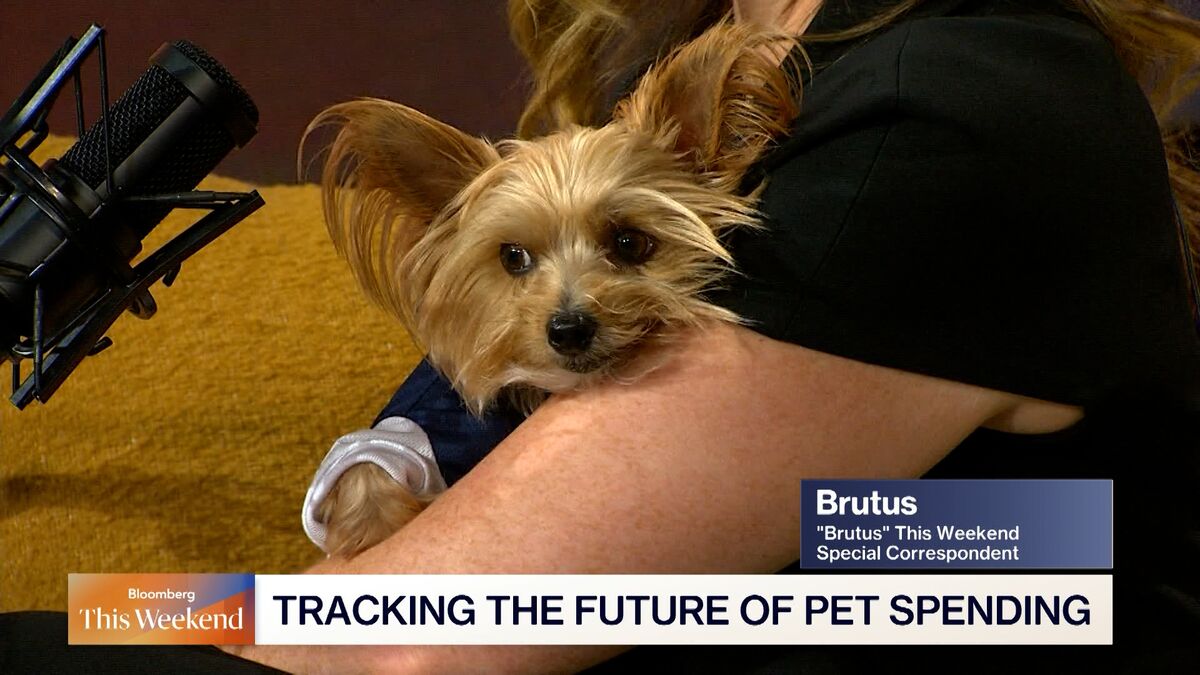
US pet market projected to grow from $150 billion to over $250 billion in the next decade as Americans increase spending beyond preventative care.
The US pet market is projected to grow from approximately $150 billion today to over $250 billion in the next decade, according to Bloomberg Markets. Bloomberg Intelligence consumer staples analyst Diana Rosero-Pena reported that Americans are increasing spending on their pets beyond traditional preventative care, signaling a broader shift in consumer priorities and retail spending patterns that may influence consumer staples sector analysis.
Key takeaways
The US pet market is projected to grow from approximately $150 billion to over $250 billion in the next decade, according to Bloomberg Markets.
Americans are increasing spending on their pets beyond traditional preventative care, according to Bloomberg Intelligence consumer staples analyst Diana Rosero-Pena.
The growth trajectory reflects broader consumer spending trends that may influence retail sector analysis and consumer staples investment considerations.
Investors may watch future retail earnings reports, consumer spending data, and pet industry disclosures for additional market context.
Table of Contents
What happened
Consumer spending shift beyond preventative care
Why it matters for retail and consumer staples investors
What to watch next
What happened
Bloomberg Markets reported that the US pet market is projected to grow from approximately $150 billion today to over $250 billion in the next decade. Bloomberg Intelligence consumer staples analyst Diana Rosero-Pena provided insights into the future of pet retail during an interview on Bloomberg This Weekend with David Gura, Christina Ruffini, and special dog correspondent Brutus. The source context confirms the market size projection and the broader spending trend beyond traditional preventative care.
Consumer spending shift beyond preventative care
According to the source context, Americans are increasing spending on their pets beyond traditional preventative care. Bloomberg Intelligence consumer staples analyst Diana Rosero-Pena highlighted this shift, which may include spending on premium pet food, grooming services, pet insurance, veterinary specialty care, pet technology products, and other discretionary pet-related goods and services. The source context does not provide a detailed breakdown of spending categories, but the reference to spending "beyond traditional preventative care" suggests that pet owners are allocating more resources to non-essential or premium pet products and services.
For investors, this type of consumer behavior can matter because discretionary spending on pets may reflect broader household income trends, consumer confidence, and willingness to allocate resources to non-essential categories. Pet spending has historically been viewed as relatively resilient during economic downturns, but the shift toward premium and discretionary categories may introduce different demand dynamics compared to traditional pet food and veterinary care. The source context does not provide specific data on household income levels, demographic trends, or regional spending patterns, so readers should treat the reported trend as a high-level market observation rather than a detailed consumer segmentation analysis.
Why it matters for retail and consumer staples investors
For readers following broader market updates , this development can help frame the wider consumer spending context. Pet market growth may reflect household spending priorities, demographic shifts such as pet ownership rates among younger consumers, and the increasing humanization of pets as family members. The source context does not provide data on pet ownership rates, household formation trends, or generational spending patterns, but these factors are commonly cited in consumer staples research as drivers of pet market expansion. Investors may also consider how pet market growth compares to other consumer discretionary categories, such as travel, dining, and entertainment, to assess relative consumer spending priorities.
What to watch next
Read original source